Nitrogen Tanks
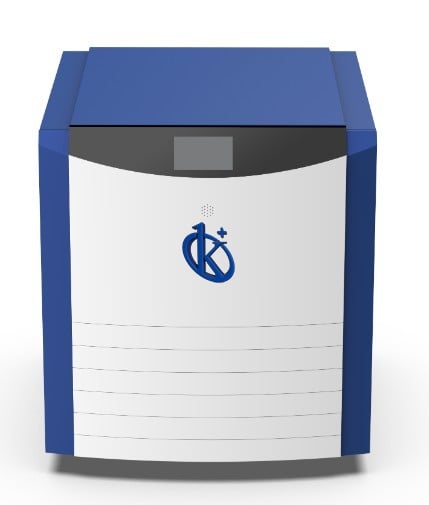
Nitrogen tanks are essential equipment in laboratories, utilized for various applications, including cryogenic storage and transportation. These tanks are designed to keep biological samples and other materials at extremely low temperatures, ensuring their preservation and integrity.
Choosing the right nitrogen tank can significantly impact your laboratory's efficiency and safety. Understanding the different types of tanks available will help you make an informed decision tailored to your specific needs.
Types of nitrogen tanks your laboratory may need
Dryshipper Series for Storege or transportation (Round Canisters)
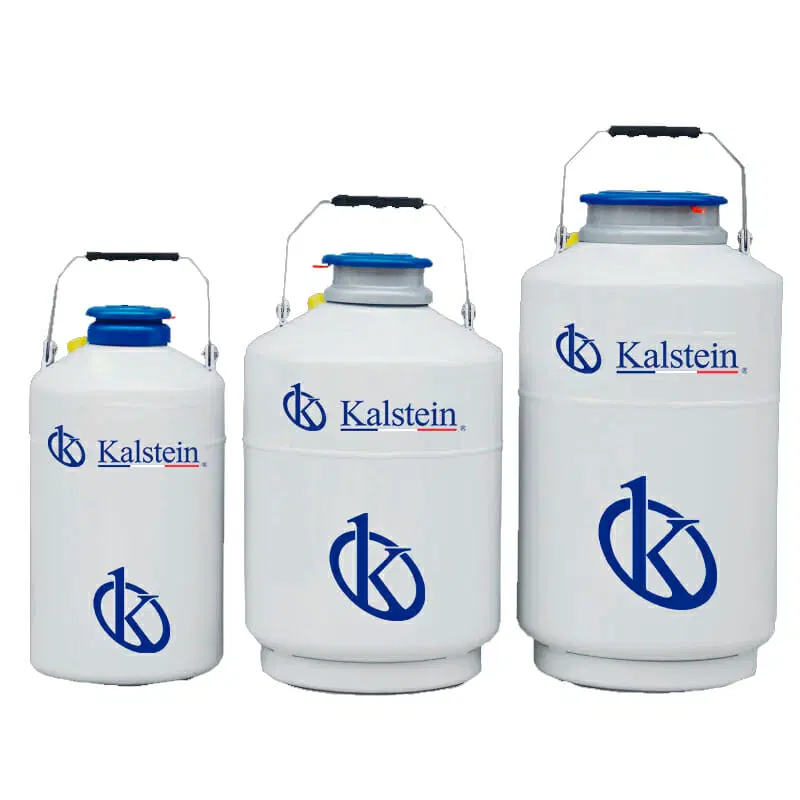
The Dryshipper Series is specifically designed for the safe storage and transportation of biological materials. These round canisters ensure that the samples remain at a consistent low temperature during transit, which is crucial for maintaining their viability.
These tanks are lightweight and equipped with insulation technology, making them ideal for transporting sensitive materials that require cryogenic environments.
High Capacity Series for Storege or transportation (Round Canisters)
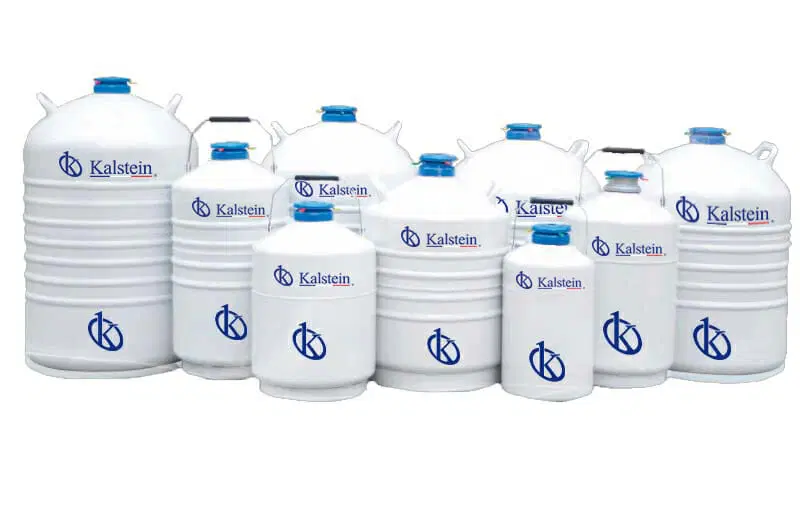
The High Capacity Series is engineered for laboratories that require significant storage solutions. These nitrogen tanks are capable of holding larger volumes of liquid nitrogen, which is beneficial for extensive cryogenic storage needs.
Designed for efficiency, these tanks come with advanced insulation to minimize nitrogen evaporation, ensuring prolonged storage periods without compromising sample integrity.
Medium Sizes Storege- Smart Liquid Nitrogen Containers
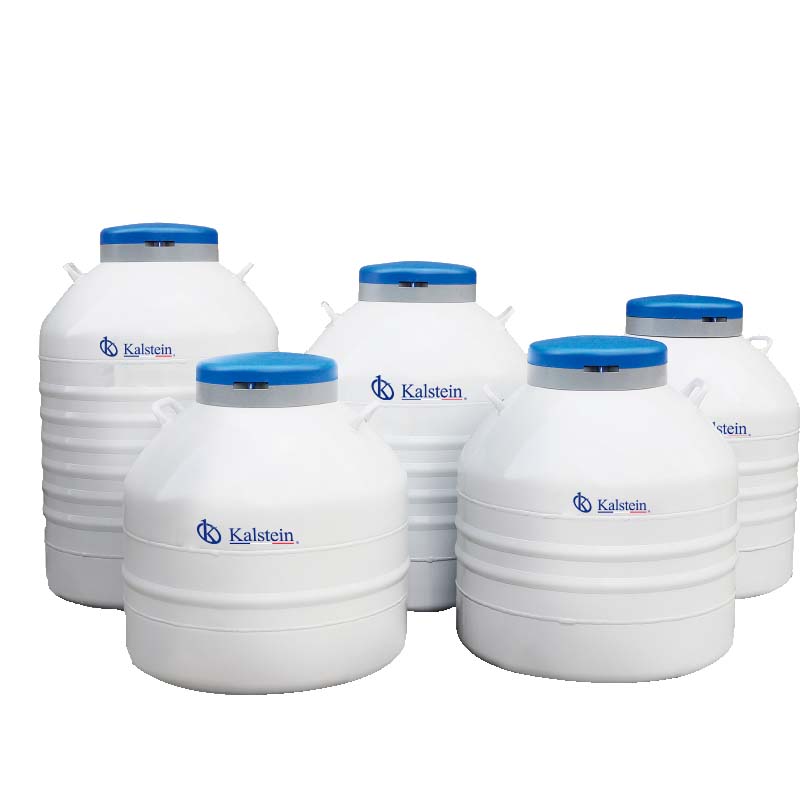
Medium-sized smart liquid nitrogen containers are perfect for laboratories that need a balance between capacity and portability. These containers are equipped with smart technology that monitors the temperature and nitrogen levels, ensuring optimal storage conditions for sensitive samples.
They are designed for ease of use, with ergonomic handles and lightweight materials, making them suitable for both storage and transport.
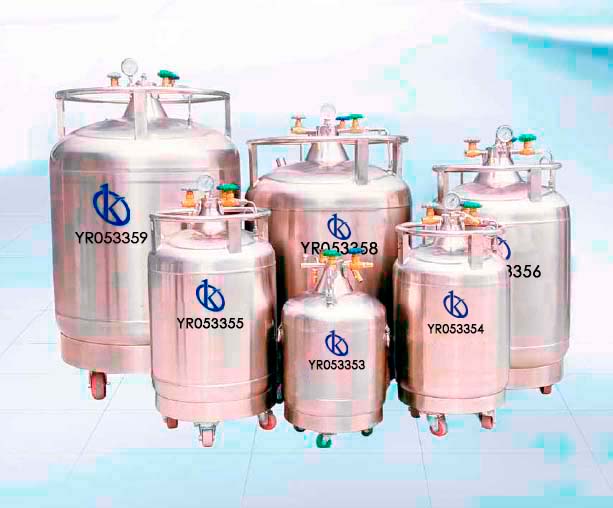
Self-pressurized Series for Storege or Supply (Round Canisters)
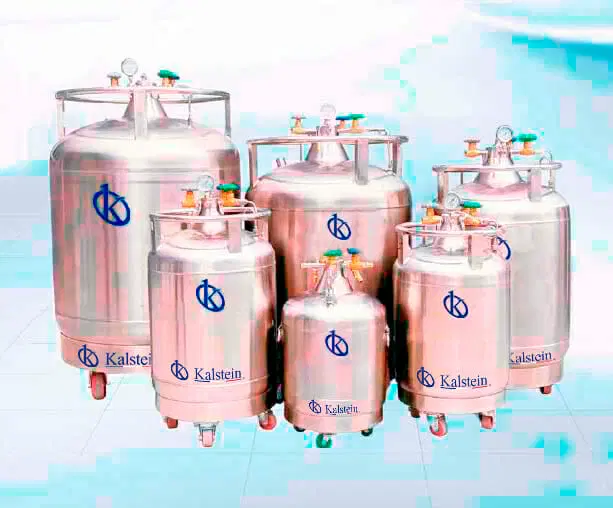
The Self-pressurized Series is designed for continuous supply of liquid nitrogen, making it ideal for laboratories that require a steady flow of nitrogen for various applications. These round canisters maintain pressure automatically, eliminating the need for manual refilling.
They are particularly useful in settings like cryopreservation and other scientific applications where consistent nitrogen availability is critical.
Small Sizes Storege- Smart Liquid Nitrogen Containers
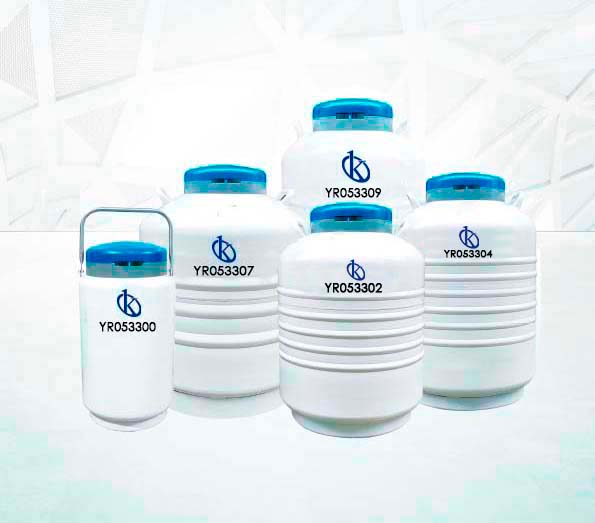
Small-sized smart liquid nitrogen containers offer exceptional portability while maintaining high performance for cryogenic storage. They are perfect for laboratories with limited space or for transporting small quantities of sensitive materials.
These containers come equipped with intelligent features that allow users to track nitrogen levels, ensuring that samples are stored under optimal conditions.
What you should know before selecting a nitrogen tanks and making an investment
Key factors to consider
When selecting a nitrogen tank, consider factors such as capacity, insulation efficiency, and portability. The right tank should meet your laboratory's storage requirements while ensuring optimal sample preservation.
Evaluate the specific applications you will use the tank for, as this will influence the type of tank you need—whether for transport, long-term storage, or constant supply.
Market price range
The price of nitrogen tanks varies significantly based on size, features, and manufacturer. Generally, smaller tanks are less expensive, while larger, high-capacity tanks with advanced features may come at a higher cost.
It's important to compare prices from different suppliers and consider the long-term value of the investment based on your laboratory's needs.
Value for money
Investing in a nitrogen tank is a critical decision for any laboratory. Assessing the value for money involves not just the initial purchase price but also the durability and maintenance costs associated with the tank.
Choose a tank that offers robust construction and efficient insulation to ensure you get the best return on your investment over time.
Expected lifespan based on use and maintenance
The lifespan of a nitrogen tank largely depends on its usage and maintenance practices. Proper care can significantly extend the life of your tank, while neglect can lead to premature failure.
Regular inspections, cleaning, and following the manufacturer's guidelines will help ensure that your nitrogen tank performs effectively throughout its intended lifespan.
NITROGEN TANKS KALSTEIN
Discover nitrogen tanks for your laboratory
Explore our advanced range of nitrogen tanks tailored for various laboratory applications. Each tank is designed with the latest technology to ensure high performance and reliability, making them an essential tool for any laboratory setting.
Intelligent Liquid Nitrogen Biological Container YR06703//YR06703-2 Series
The YR06703/YR06703-2 Series Intelligent Liquid Nitrogen Biological Container represents the pinnacle of cryogenic storage technology for the healthca
View productOur best-selling nitrogen tanks
Intelligent Liquid Nitrogen Biological Container YR06703//YR06703-2 Series
Cutting-edge design and technology
The YR06703//YR06703-2 series stands out for its triple-screen interface and remote connectivity. Thanks to its IoT module, the device sends real-time alerts to email and mobile devices in the event of any fluctuations. Its functional design includes a double-locking system to prevent unauthorized access and an integrated liquid nitrogen filter that minimizes impurities, extending the lifespan of the valves and internal components. Furthermore, its autonomy is ensured by an internal battery that maintains active monitoring even during power outages.Product Use in the Field
In real-world settings, such as high-complexity biobanks or fertility centers , the YR06703//YR06703-2 series is used for the high-volume handling of samples. Its design, featuring universal wheels and an adjustable rear brake, allows laboratory personnel to easily move the container between storage rooms and processing areas, ensuring complete stability once positioned. The ability to export data via USB facilitates compliance with audit regulations, enabling the download of temperature and nitrogen level history without the need for complex software.Frequently Asked Questions
- What happens if the Wi-Fi/IoT connection is lost?
- Is it compatible with external data management systems?
- Does the nitrogen filter require specialized maintenance?
Advantages and Disadvantages
- Advantages:
- Superior Security: Double physical and digital locking.
- Ergonomic Mobility: High-resistance wheels with braking system.
- Remote Monitoring: Full management from anywhere via App and email.
- Efficiency: Integrated filter that protects the system against sediment.
- Disadvantages:
- High Weight: Due to its robustness, the 550L model (400 kg empty) requires level surfaces and trained personnel for its initial transfer.
- Technological Dependence: To take full advantage of its functions, a stable network infrastructure is required.
Usage and Maintenance Recommendations
To maximize container performance , annual calibration of the temperature and level sensors is recommended. It is vital to keep the base ventilation area clear to prevent overheating of the electronic modules. When charging with nitrogen, be sure to use appropriate personal protective equipment (PPE) and verify that the filter is free of visible obstructions.Technical Specifications
| Model | YR06703 | YR06703-1 | YR06703-2 |
| Volume of LN₂ (L) | 200 | 340 | 550 |
| External Dimensions (W/H) (mm) | 730 * 1035 * 1190 | 910 * 1170 * 1190 | 1100 * 1410 * 1190 |
| Empty Weight (kg) | 209 | 301.5 | 400 |
| Inner Diameter of Neck (mm) | 610 | 790 | 1000 |
Detailed analysis of nitrogen tanks for an effective and safe choice
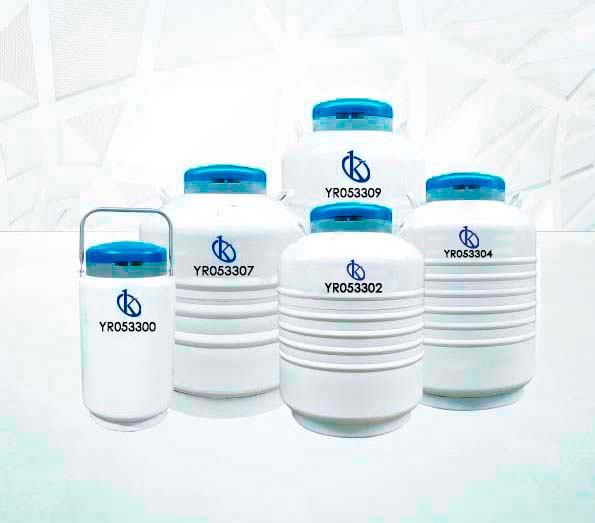
Exploring Excellence: The Unmatched Quality of Kalstein Nitrogen Tanks
Nitrogen Tanks, Kalstein Brand When it comes to storing and managing nitrogen effectively in laboratory and industrial settings, the brand that consistently stands out is Kalstein. Known for delivering high-quality products that meet rigorous standards of safety and efficiency, these nitrogen tanks have gained a strong reputation in the industry. By integrating cutting-edge technology with robust
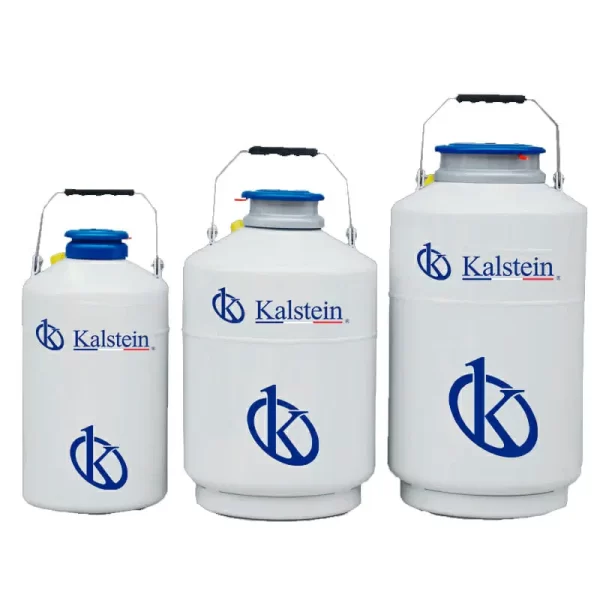
What to Consider When Storing Cryogenic Samples in Nitrogen Tanks?
Storing cryogenic samples in laboratories requires precision and advanced technology to ensure the integrity of materials at extremely low temperatures. Nitrogen Tanks are essential devices in this process, allowing samples to be preserved at cryopreservation temperatures using liquid nitrogen. In this article, we will explore the most important aspects to consider when using nitrogen tanks for c
Importance of Nitrogen Tanks
There are now many products that contain gases or use gases for their production, so it is necessary to store these gases in cylinders or tanks under pressure, as in the case of nitrogen. Most gases are classified as compressed gases, according to some international standards.
Use of Nitrogen Tanks for the Wine Sector
Wine is a beverage that is associated with the history of mankind, since archeologists have found evidence that locate the production of this alcoholic beverage, at least 3000 years B.C. At present, this product of the fermentation of the must of a wide variety of grapes, has undergone a transformation that is related to the advances of science: that is, the production of the wine, although it can retain some artisanal elements, has been made more technical, of course, in order to guarantee the quality of the product.
nitrogen tanks offer catalog
Guides about nitrogen tanks
Complete guides to choose nitrogen tanks
How are Nitrogen Tanks used for food preservation?
The preservation of food is a key stage in the production and consumption chain, since it prolongs the shelf life of the food, while ensuring that they reach the consumer in optimal conditions. This is essential, since the physicochemical,
Leer más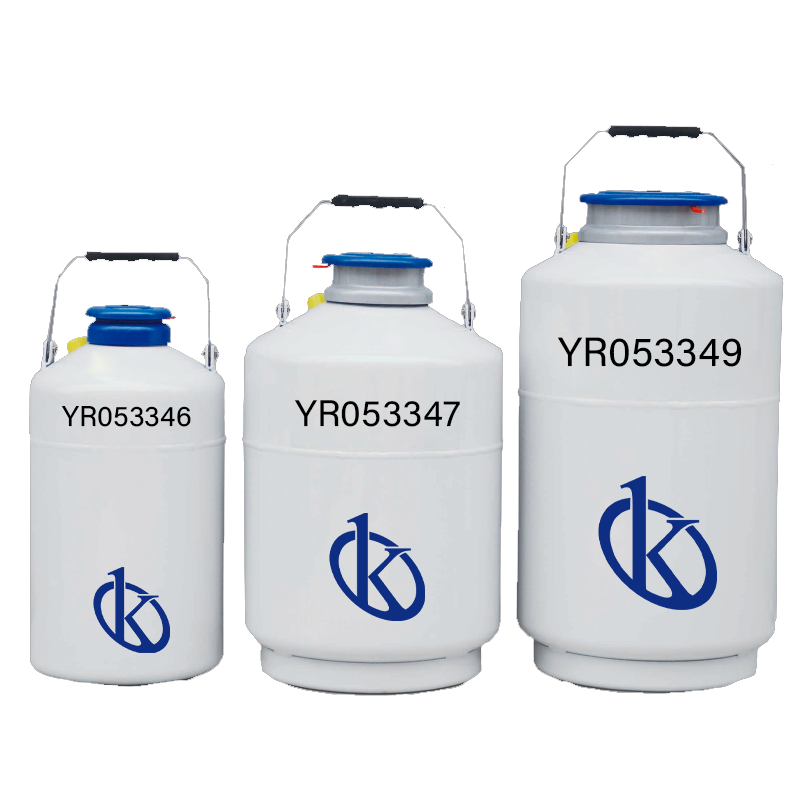
Nitrogen Tanks for the Conservation of Biological Samples
Liquid nitrogen, which is more expensive than dry ice, is generally used for biological sample conservation and there are more potential risks with respect to its handling. However, for different types of samples to be stored in the glass p
Leer másNitrogen tanks and artificial insemination?
Nitrogen tanks are essential equipment for the application of the artificial insemination (AI) technique, since they allow the conservation and storage of frozen semen, for prolonged periods. This facilitates the use of AI in many livestock
Leer másWhat are liquid nitrogen tanks and what are they used for in a laboratory?
Liquid nitrogen tanks are units used for the conservation of laboratory samples at very low temperatures. Due to fast freezing, it prevents damage to structures and protects processes from moisture, oxidation and contamination.
Leer másFrequently asked questions about Nitrogen Tanks
How to know the prices of Nitrogen Tanks?
To know the price of Nitrogen Tanks, please send us an email with your request through the contact form AQUI.
What are the delivery times for Nitrogen Tanks?
Delivery time depends on stock availability and freight type (air or sea). In stock: air 15-30 days, sea 45-60 days. Out of stock: air 30-60 days, sea 60-90 days.
How to make a purchase of Nitrogen Tanks?
You can buy by email ([email protected]), phone (+33 (0) 1 70 39 26 50) or through the official Kalstein website in your country.
How does the warranty work for Nitrogen Tanks?
All Kalstein equipment comes with a 1-year warranty against manufacturing defects. The warranty does not cover damage from improper installation or misuse. See our «terms and conditions» AQUI.
Can I request a quote online for Nitrogen Tanks?
Yes, you can request a quote for the Kalstein equipment you are interested in directly from our official website. Click AQUI.