Microscopes
Microscopes are essential tools in laboratories, enabling scientists to observe and analyze specimens at a microscopic level. They play a crucial role in various fields such as biology, materials science, and medicine. Understanding the types and features of microscopes can greatly enhance research capabilities.
Choosing the right microscope requires careful consideration of factors such as magnification, resolution, and intended use. By investing in quality microscopy equipment, researchers can ensure accurate results and contribute to advancements in their respective fields.
What you should know before selecting a microscopes and making an investment
Key factors to consider
When selecting a microscope, consider the type of specimen you'll be examining. Different microscopes, such as optical or electron microscopes, serve diverse purposes. Additionally, assess the necessary magnification levels and resolution, as these will impact the clarity of your observations.
Another critical factor is the ease of use and maintenance of the microscope. User-friendly models with straightforward operation can save time and enhance productivity in the lab.
Market price range
The market for microscopes varies significantly in price, influenced by features and specifications. Entry-level models may start at a few hundred dollars, while advanced research-grade microscopes can exceed several thousand dollars. It's essential to balance budget with features that meet your research needs.
When assessing price, consider long-term investment value. A higher initial cost may result in better performance and durability, leading to cost savings over time.
Value for money
Determining the value for money of a microscope involves evaluating its features against its price. Look for models that offer essential functionalities, robust construction, and reliable optics. Ensure that the microscope can cater to your specific applications, providing accurate and consistent results.
Reading reviews and comparing brands can also provide insights into the performance and longevity of different microscopes, helping you make an informed purchasing decision.
Expected lifespan based on use and maintenance
The expected lifespan of a microscope largely depends on its type and how well it is maintained. Generally, high-quality microscopes can last many years if properly cared for. Regular cleaning, calibration, and adherence to operational guidelines are crucial for longevity.
Understanding the manufacturer's warranty and service options can also provide peace of mind, ensuring support for maintenance and repairs when necessary.
MICROSCOPES KALSTEIN
Discover microscopes for your laboratory
Explore our range of high-quality microscopes designed to meet diverse laboratory needs. Each model is crafted with precision to ensure optimal performance and reliability. Whether for educational or advanced research purposes, we have the right solution for you.
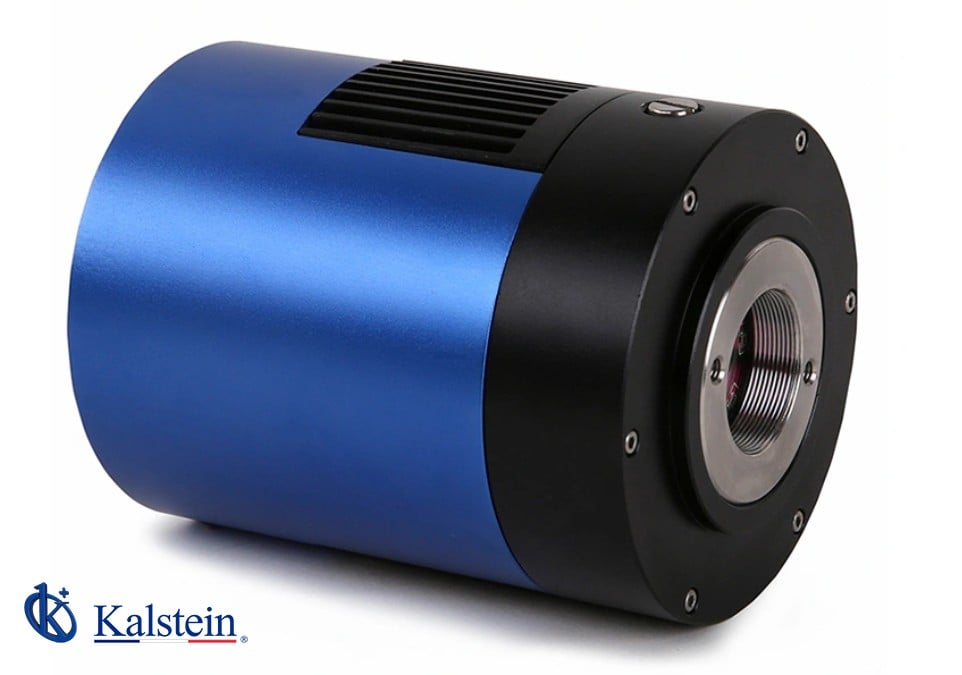
USB 3.0 CMOS-cooled digital camera, fluorescent image, GS YR06651 shutter
The YR06651 USB 3.0 CMOS Cooled Digital Camera is an advanced scientific imaging solution designed for demanding applications in fluorescence microsco
View productBiological Microscope YR06685
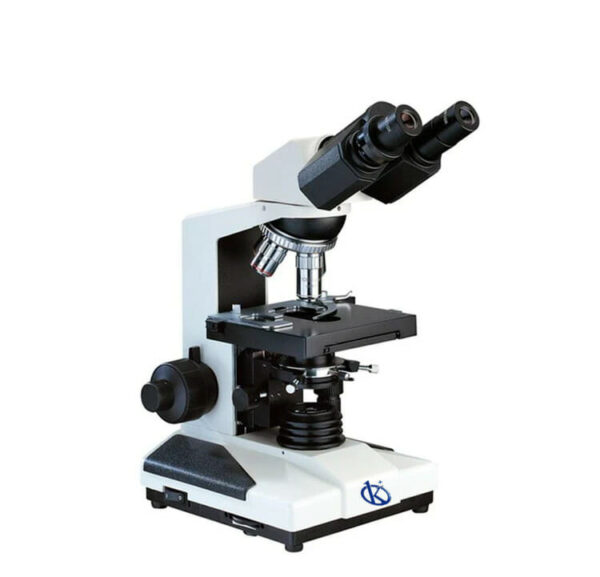
The YR06685 is a precision binocular biological microscope designed to provide a reliable and accessible observation solution. Ideal for educational e
View productYR06652 Trinocular Inverted LED Fluorescent Microscope
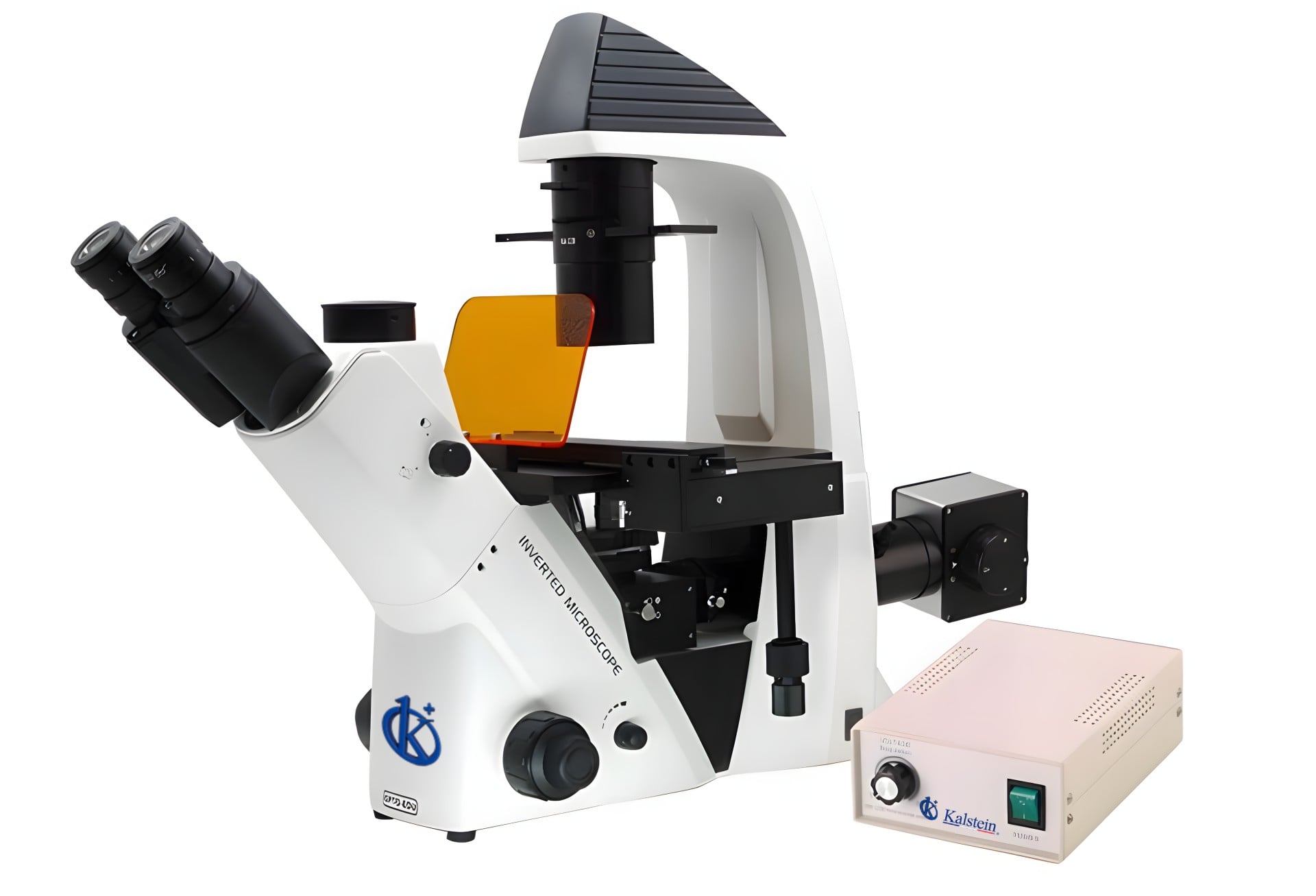
The YR06652 Trinocular Inverted LED Fluorescence Microscope is a professional solution designed for laboratories that require advanced observation of
View productOur best-selling microscopes
YR06652 Trinocular Inverted LED Fluorescent Microscope
Frequently Asked Questions
What applications is the YR06652 microscope best suited for? It is specially designed for cell culture, molecular biology, biomedical and pharmaceutical research, and university laboratories where live samples are handled in plates or flasks. Does it include phase contrast objectives? Yes, it includes an LWD Infinity Plan PH 20x phase contrast objective, ideal for observing live cells without staining. Can a digital camera be connected? Yes, its trinocular head allows the integration of cameras for image and video capture, facilitating documentation and analysis. What is the difference between halogen and LED illumination? Halogen provides classic, continuous illumination, while the optional 5W LED reduces energy consumption and heat generation, extending system lifespan.Advantages and Disadvantages
Advantages: • Inverted design ideal for cell cultures and live samples • Infinity Plan system with high optical fidelity • LWD objectives that facilitate work with tall containers • Stable and efficient 5W LED fluorescence • Compatibility with brightfield and phase contrast • Excellent price–performance ratio within its category Possible Disadvantages: • Does not include all advanced fluorescence filters as standard • Requires adequate laboratory space due to its professional size • Some advanced configurations may require additional accessoriesProduct Use in Practice
In daily practice, the YR06652 Trinocular Inverted LED Fluorescence Microscope is used to monitor cell cultures in real time, evaluate cell morphology, perform viability analyses, and observe fluorescent markers without altering samples. It is widely used in research laboratories, pharmaceutical industries, biotechnology centers, and universities, where precision and optical system stability are critical for obtaining reproducible results.Recommendations
To maximize equipment performance, it is recommended to periodically calibrate the illumination, keep objectives clean, and use LED fluorescence for prolonged work to reduce sample heating. In addition, complementing the system with a suitable digital camera helps optimize documentation and data analysis.Technical Specifications
| Model | YR06652 |
| Objective type | Infinity Plan / Phase Contrast |
| Objective characteristics | LWD |
| Nosepiece positions | 5 positions |
| Eyepiece | WF 10x / 22 mm, 2 pcs |
| Eyepiece diameter | 30.0 mm |
| Eyepiece features | Adjustable diopter |
| Main light path | E100:P0 / E20:P80 |
| Interpupillary distance | 48 – 76 mm |
| Head type | Trinocular Seidentopf |
| Optical system | Infinity Plan |
| Optical characteristics | Infinity |
| Condenser | Quickly removable, WD 72 mm, up to 195 mm without condenser |
| Condenser NA | 0.3 |
| Condenser type | LWD / ELWD |
| Condenser features | Slot for PH slide |
| Focusing functions | Adjustable tension |
| Working stage | Round sliding stage Ø110 mm, Dolder culture dish 54 mm |
| Stage size | 210 × 241 mm |
| Stage type | Fixed flat stage |
| Stage features | Size > 140 × 140 mm |
| Objectives included | LWD Infinity Plan: LPL 10x/0.25 (WD = 8.3 mm); LPL 20x/0.40 (WD = 7.2 mm); LPL 40x/0.60 (WD = 3.4 mm) |
| Phase contrast objective | LWD Infinity Plan Phase Contrast: LPL PH 20x/0.40 (WD = 7.2 mm) |
Detailed analysis of microscopes for an effective and safe choice
Exploring the World of Microscopes with Kalstein: A Comprehensive Guide
Microscopes, Kalstein Brand When it comes to exploring the unseen world, microscopes are indispensable tools that empower researchers, scientists, and educators to study the minute details of organic and inorganic matter. The Kalstein brand, a trusted name in scientific equipment, offers a diverse range of microscopes that cater to various scientific needs. Kalstein's commitment to quality and in
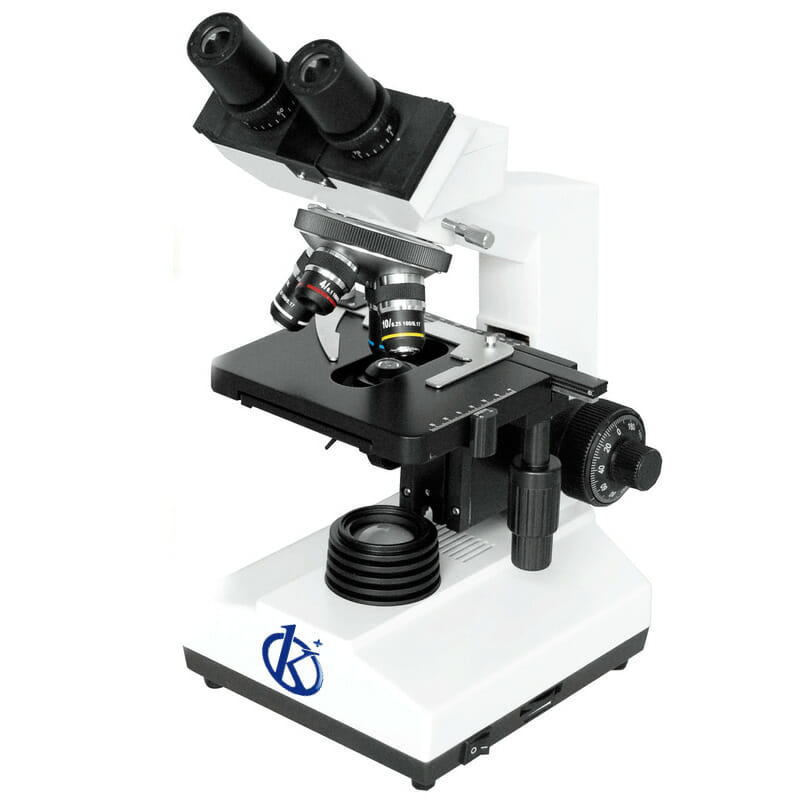
High-Resolution Microscopes for Precision Imaging in Live Cell Research
Microscopes The microscope is one of the most fundamental tools in any scientific laboratory, especially those dedicated to live cell research. This instrument allows us to visualize tiny structures that are invisible to the naked eye, offering detail and precision essential for advancing scientific research. In my experience working with different types of microscopes, I’ve learned to appreci
Microscopes: Detailed Visualization for Biosciences Research
Microscopes In the field of biosciences research, having a high-quality microscope is essential for obtaining accurate results. The detailed visualization offered by these devices allows researchers to explore the microscopic world with clarity, whether in cellular studies, tissue analysis, or bacteriological investigations. Microscopes are not just laboratory tools; they are windows into a hi
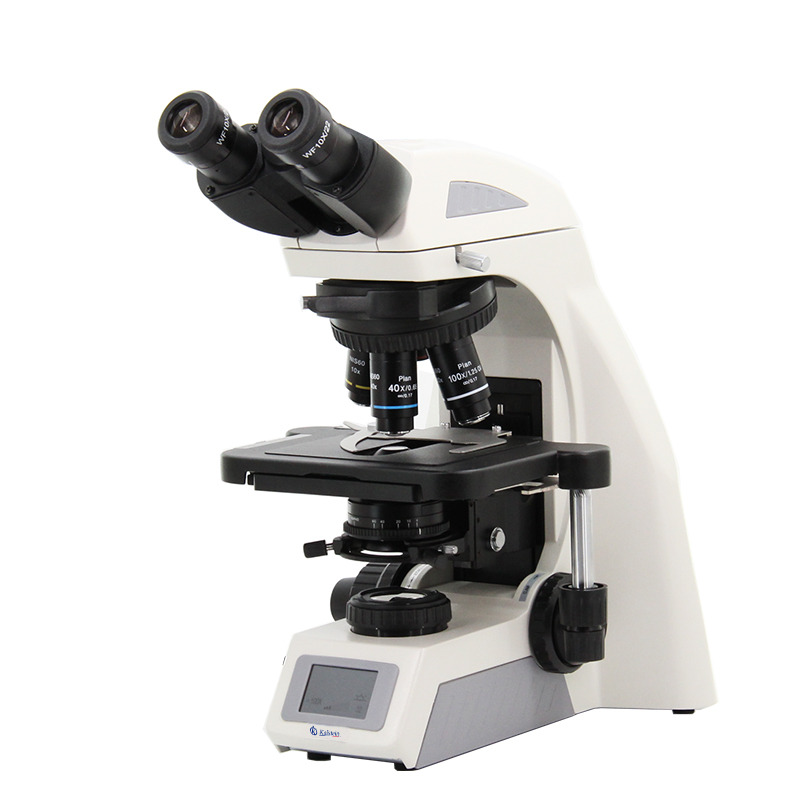
Boosting Accuracy in Scientific Research: The Advantages of Advanced Microscopes
Overcoming obstacles in scientific research is now easier thanks to advancements in microscope technology. As a leader in the manufacture of laboratory equipment, Kalstein offers advanced, high-precision laboratory microscopes designed to provide clarity, efficiency and precision.
microscopes offer catalog
Guides about microscopes
Complete guides to choose microscopes
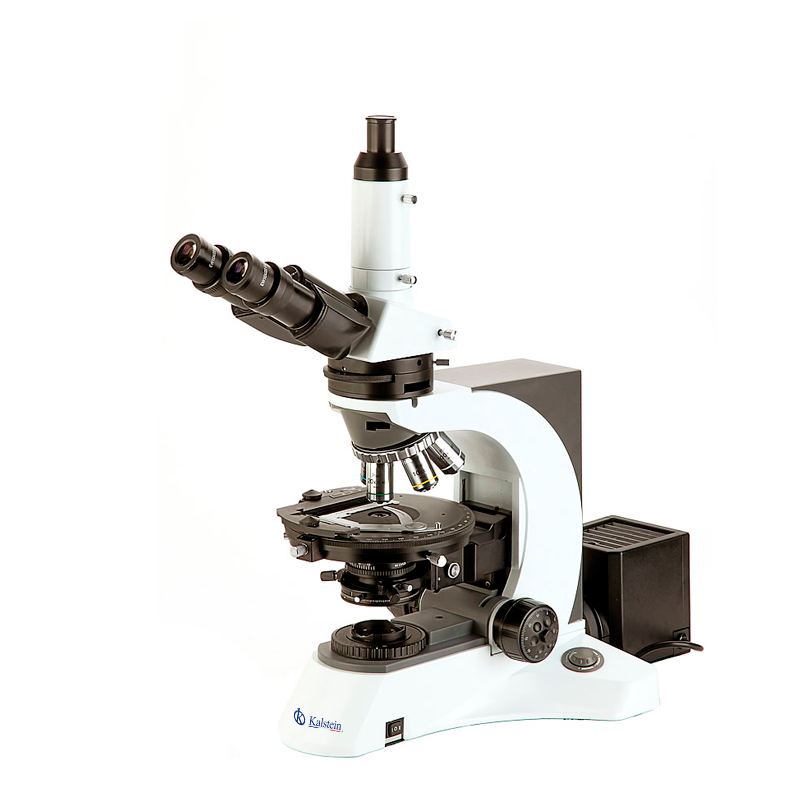
What kind of lighting is used in optical microscopes?
Lighting is a vital component to obtain the best possible image quality with an optical microscope. The type of illumination used in a microscope varies depending on the object being viewed and the type of microscope used. There are differe
Leer más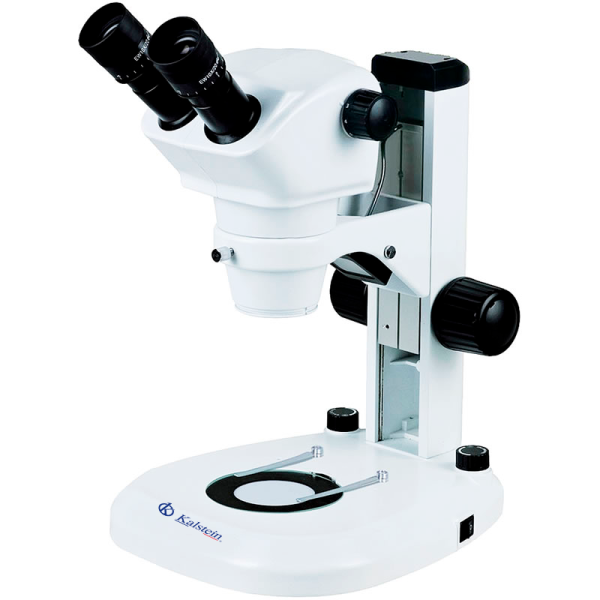
What are digital microscopes?
They are a type of microscope whose distinctive feature is the presence of a digital camera that replaces the eyepiece, that is, with this type of equipment the eyepiece is usually absent, therefore, you cannot visualize the samples directl
Leer más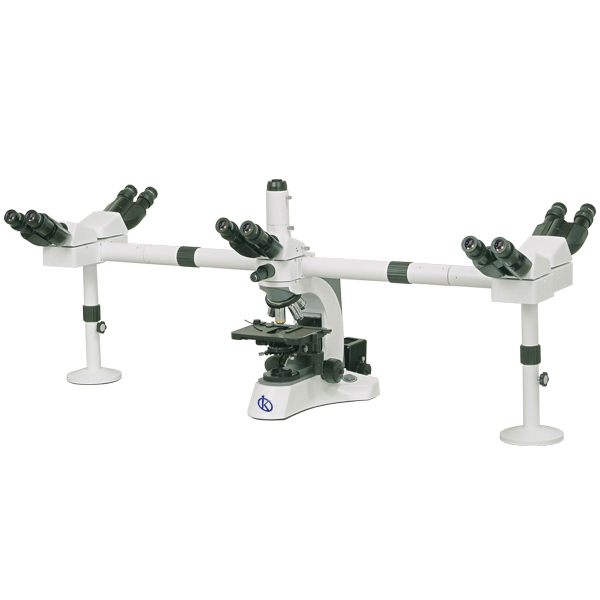
How do you modify the parameters of an optical microscope to get better results?
An optical microscope is a device that is used to enlarge objects to a scale at which they are visible to naked eyes. This is done using a magnifying lens to manipulate light and interference patterns. Optical microscopes come in many style
Leer más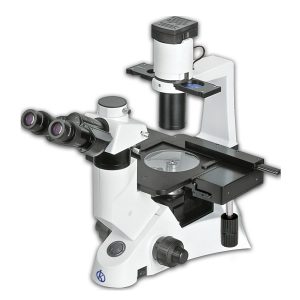
What is a Stereoscopic Microscope?
Initially, the use of the stereoscopic microscope is employed to make studies of very tiny samples, to be analyzed with the naked eye, from another larger perspective, under the compound microscope. Its magnification ranges from about 5x to
Leer másFrequently asked questions about Microscopes
How to know the prices of Microscopes?
To know the price of Microscopes, please send us an email with your request through the contact form AQUI.
What are the delivery times for Microscopes?
Delivery time depends on stock availability and freight type (air or sea). In stock: air 15-30 days, sea 45-60 days. Out of stock: air 30-60 days, sea 60-90 days.
How to make a purchase of Microscopes?
You can buy by email ([email protected]), phone (+33 (0) 1 70 39 26 50) or through the official Kalstein website in your country.
How does the warranty work for Microscopes?
All Kalstein equipment comes with a 1-year warranty against manufacturing defects. The warranty does not cover damage from improper installation or misuse. See our «terms and conditions» AQUI.
Can I request a quote online for Microscopes?
Yes, you can request a quote for the Kalstein equipment you are interested in directly from our official website. Click AQUI.