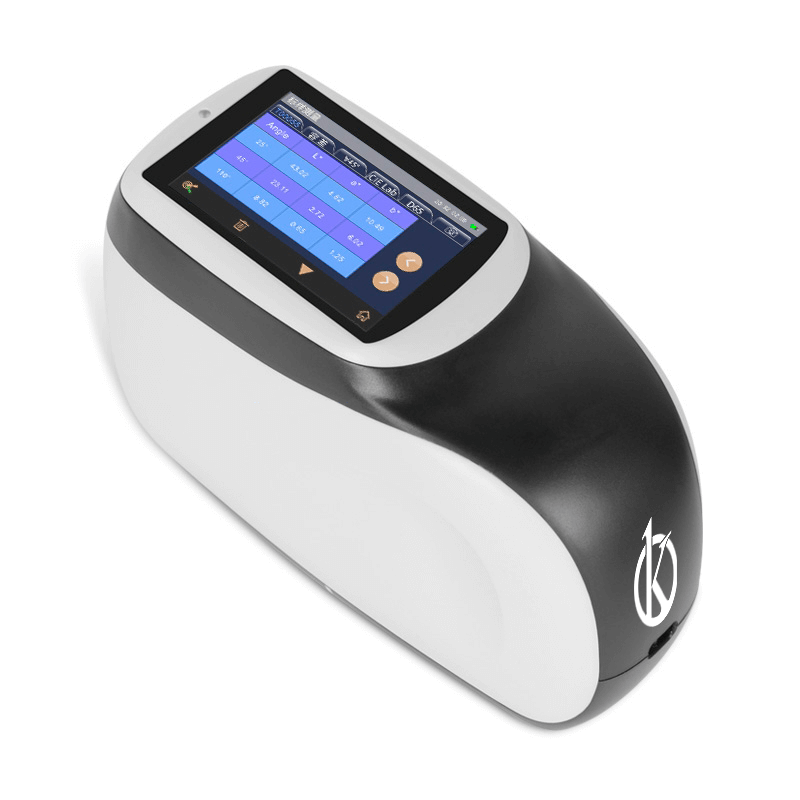
Understanding ISO/IEC Standards and Regulatory Compliance for Multi-Angle Spectrophotometers
Laboratory professionals must navigate a complex landscape of ISO/IEC standards and regulatory compliance when utilizing multi-angle spectrophotometers. With increasing scrutiny on laboratory practices, understanding these standards is critical for maintaining quality and reliability in measurements. This article explores the essential ISO/IEC norms, their implications, and how various models of multi-angle spectrophotometers align with these regulatory requirements.
ISO/IEC Standards in Laboratory Settings
ISO and IEC standards play a vital role in ensuring that laboratory equipment meets certain performance and safety criteria. For multi-angle spectrophotometers, key standards include ISO 17025, which specifies the general requirements for the competence of testing and calibration laboratories. Compliance with these standards not only ensures operational excellence but also fosters trust among stakeholders.
ISO 17025: Competence of Testing and Calibration Laboratories
ISO 17025 is the cornerstone for laboratories, requiring rigorous adherence to procedures and quality management systems. Multi-angle spectrophotometers like the YR05491 and YR05492 are designed to comply with this standard, offering features that enhance traceability and accuracy in measurements. The YR05491 supports multiple angles, allowing for comprehensive color analyses essential for meeting ISO 17025 requirements.
ISO 15189: Medical Laboratories
For laboratories involved in medical testing, ISO 15189 sets forth requirements for quality and competence. Multi-angle spectrophotometers like the YR05488 provide precise color measurement essential for clinical applications, ensuring compliance with ISO 15189 standards. This alignment is crucial for laboratories that perform diagnostic testing where accuracy is paramount.
Key Multi-Angle Spectrophotometers and Compliance Features
Understanding how specific models contribute to laboratory compliance with ISO/IEC standards is essential. Each model presents unique features that enhance compliance capabilities, providing laboratories with the tools necessary to meet stringent regulatory demands.
Model Comparison: Compliance Features
| Model Code | ISO/IEC Clauses Covered | Traceability Features | Best For |
|---|---|---|---|
| YR05491 | ISO 17025 | Integrated calibration standards | General laboratory use |
| YR05492 | ISO 17025, ISO 15189 | Advanced traceability | Medical laboratories |
| YR05488 | ISO 17025 | Standardized calibration protocols | Paint and coatings analysis |
| YR05489 | ISO 15189 | Documented calibration records | Clinical diagnostics |
| YR05490 | ISO 17025 | Real-time tracking | Quality control laboratories |
Common Mistakes and How to Avoid Them
Laboratories often overlook critical aspects of compliance and operational efficiency when utilizing multi-angle spectrophotometers. Here are some common pitfalls and strategies to avoid them:
- Failing to Document Calibration: Many labs neglect proper documentation of calibration procedures. Ensure that your multi-angle spectrophotometer is calibrated regularly and that records are maintained to align with ISO 17025.
- Inadequate Training: Operators must be properly trained in using multi-angle spectrophotometers. Implementing regular training sessions can mitigate errors associated with user operation and interpretation.
- Ignoring Maintenance Schedules: Regular maintenance is critical for optimal performance. Laboratories should implement a preventive maintenance plan tailored to their specific models, such as the YR05492.
Frequently Asked Questions
How can multi-angle spectrophotometers help meet ISO 17025 requirements?
Multi-angle spectrophotometers like the YR05491 are designed to meet ISO 17025 requirements by offering precise calibration and measurement capabilities. These features facilitate compliance with traceability standards, ensuring reliable results essential for laboratory accreditation.
Which multi-angle spectrophotometer model is best for ISO 15189 compliance?
The YR05492 is an ideal choice for laboratories seeking ISO 15189 compliance. With its advanced traceability features and integration capabilities, it meets the stringent requirements for medical laboratories, providing high accuracy in color measurement.
What are the benefits of using multi-angle spectrophotometers in laboratories?
Utilizing multi-angle spectrophotometers like the YR05488 improves measurement accuracy, reduces variability, and enhances compliance with ISO standards. These benefits lead to more reliable results and strengthened quality assurance in laboratory settings.
How do I ensure my multi-angle spectrophotometer complies with regulations?
To ensure compliance, regularly calibrate your multi-angle spectrophotometer, maintain detailed documentation, and ensure that operators are properly trained. Models like the YR05489 support these practices by providing standardized procedures and traceability.
What is the importance of calibration in multi-angle spectrophotometry?
Calibration is crucial in multi-angle spectrophotometry as it ensures measurement accuracy and compliance with ISO standards. Regular calibration of models like the YR05490 allows laboratories to maintain reliability in their analytical results.
How to choose the right multi-angle spectrophotometer for regulatory compliance?
When selecting a multi-angle spectrophotometer, consider compliance features, the specific ISO/IEC standards it meets, and its application in your laboratory. Models like the YR05491 offer a balance of performance and compliance, suitable for various laboratory needs.
What role do ISO standards play in laboratory quality assurance?
ISO standards are foundational for laboratory quality assurance, providing frameworks for consistent performance and reliability. Multi-angle spectrophotometers must align with these standards to ensure trust in laboratory results and processes.
How often should multi-angle spectrophotometers be calibrated for compliance?
Calibration schedules for multi-angle spectrophotometers like the YR05492 should follow manufacturer recommendations, typically every 6-12 months, or as dictated by internal quality protocols. Regular calibration ensures ongoing compliance with ISO standards.
If you are looking for a fusion of innovation and quality, you have come to the right place. At Kalstein, we offer you the luxury of exploring our exclusive catalog of laboratory equipment. We manufacture every device to the highest standards of excellence. Our intuitive and seamless online purchasing channels are designed for your convenience, securing the most competitive prices. Hesitate no longer — we bring science to life, it is time to become part of our community.