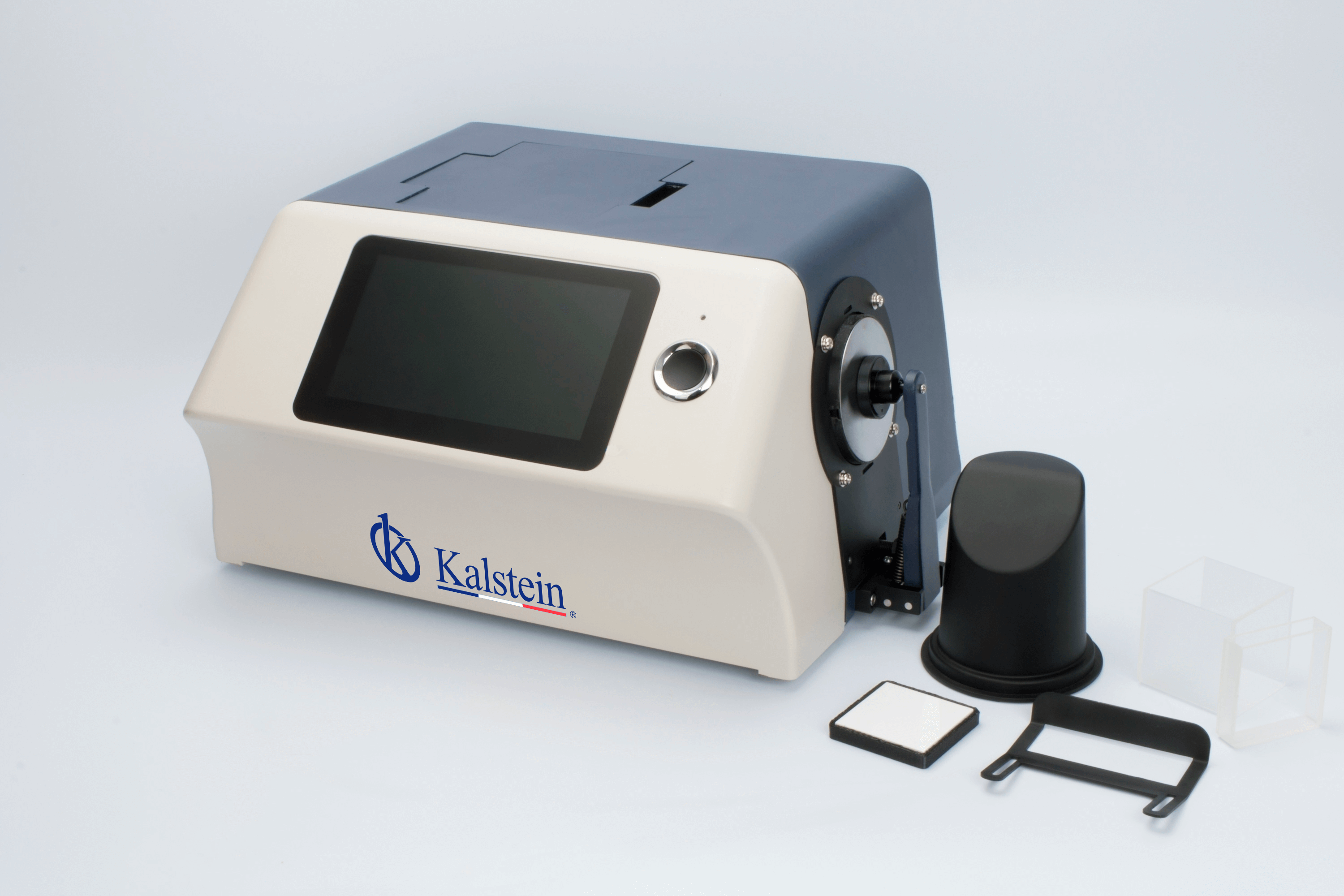
Integrating Benchtop Spectrophotometers with LIMS: Enhancing Data Workflow
As laboratories seek to improve efficiency and data accuracy, the integration of benchtop spectrophotometers with Laboratory Information Management Systems (LIMS) has emerged as a pivotal strategy. This article delves deep into the benefits of such integration, exploring its impact on data management workflows, compliance with standards, and overall laboratory productivity.
Understanding Benchtop Spectrophotometers
Benchtop spectrophotometers are essential tools in laboratories, utilized for precise color measurement and analysis. They play a critical role across various industries, including textiles, food and beverages, and pharmaceuticals. The models discussed in this article, including YR05474, YR05475, YR05476, YR05477, YR05478, and YR05482, are designed to meet diverse analytical needs and can significantly benefit from digitalization through LIMS integration.
Advantages of LIMS Integration for Spectrophotometers
Integrating LIMS with benchtop spectrophotometers enables seamless data collection and management. This integration enhances data accuracy, reduces human error, and streamlines the reporting process. For instance, the YR05474 model, with its powerful software capabilities, allows users to easily transfer results directly to the LIMS, minimizing time spent on data entry and increasing overall productivity.
Key Connectivity Protocols for Smooth Integration
The integration process relies on specific connectivity protocols that ensure effective communication between spectrophotometers and LIMS. Common protocols include ASTM, HL7, and custom APIs. For example, the YR05475 and YR05476 models support ASTM protocols, making them suitable for industries requiring stringent compliance. This compatibility ensures that data can be effectively shared, analyzed, and stored within the LIMS framework.
Data Sovereignty and Compliance Issues
A crucial aspect of laboratory operations is compliance with regulatory standards. Integrating LIMS with benchtop spectrophotometers helps laboratories maintain compliance with standards such as ISO 17025. By automating data entry and documentation processes, models like YR05477 can assist labs in meeting traceability requirements effectively.
Comparison of Available Models
| Model | Connectivity | Protocols Supported | Integration Effort | Best For |
|---|---|---|---|---|
| YR05474 | USB, Ethernet | ASTM, Custom | Moderate | Color analysis in R&D |
| YR05475 | USB, Ethernet | ASTM | Easy | Laboratory testing |
| YR05476 | USB | Custom | High | Quality assurance |
| YR05477 | Ethernet | ASTM | Moderate | Translucent materials testing |
| YR05478 | USB | Custom | Low | Plastic color measurement |
| YR05482 | Wi-Fi | Custom | Easy | Non-contact measurements |
Challenges in Data Integration
While integrating benchtop spectrophotometers with LIMS offers numerous advantages, several challenges can arise. These include compatibility issues between different systems, data security concerns, and the need for ongoing maintenance. For instance, the YR05478 model, designed for color measurement, may require specific adaptations to ensure seamless integration with existing LIMS.
Best Practices for LIMS Integration
To successfully integrate LIMS with spectrophotometers, laboratories should follow best practices such as conducting thorough assessments of existing systems, training staff on new protocols, and establishing clear communication channels between IT and laboratory personnel. Ensuring that models like YR05476 and YR05482 are equipped with the necessary features for integration can significantly enhance effectiveness.
Common Mistakes and How to Avoid Them
Many labs encounter pitfalls during integration, such as inadequate planning, underestimating training needs, and neglecting data validation processes. By actively addressing these issues and ensuring that staff are well-versed in using models like YR05474 and YR05475, laboratories can avoid common mistakes and achieve successful integration.
Frequently Asked Questions
What are the benefits of integrating YR05474 with LIMS for data management?
Integrating YR05474 with LIMS streamlines data management by automating entry and analysis, thus reducing human error. This model supports ASTM protocols, ensuring compliance and efficient reporting.
How can benchtop spectrophotometers like YR05475 enhance laboratory workflows?
YR05475 enhances workflows by allowing direct data transfer to LIMS, minimizing manual data entry. This improves accuracy and saves time, especially in high-volume testing environments.
Which protocols are essential for LIMS integration with YR05476?
Essential protocols for integrating YR05476 with LIMS include ASTM and custom APIs. These ensure effective communication for data transfer and regulatory compliance in laboratory operations.
How does YR05477 contribute to compliance with ISO 17025 standards?
YR05477 contributes to ISO 17025 compliance by providing accurate and traceable measurements. Its integration with LIMS automates documentation, supporting the standard's requirements for data integrity.
What considerations should be made when integrating YR05478 with LIMS?
When integrating YR05478 with LIMS, considerations include compatibility with existing software and ensuring staff are trained on the model's specific features for effective data management.
How does YR05482 facilitate non-contact measurements in labs?
YR05482 facilitates non-contact measurements using a 45/0 geometry, which allows accurate readings without direct sample contact. This is ideal for sensitive materials, enhancing safety and data reliability.
What are the common challenges in integrating benchtop spectrophotometers with LIMS?
Common challenges include data security concerns, compatibility issues, and the need for extensive staff training. Addressing these can significantly improve integration outcomes for models like YR05474.
Conclusion
Integrating benchtop spectrophotometers with LIMS can transform laboratory workflows by enhancing data accuracy, improving compliance, and streamlining processes. By choosing the right models and following best practices, laboratories can optimize their operations and achieve significant improvements.
If you are looking for a fusion of innovation and quality, you have come to the right place. At Kalstein, we offer you the luxury of exploring our exclusive catalog of laboratory equipment. We manufacture every device to the highest standards of excellence. Our intuitive and seamless online purchasing channels are designed for your convenience, securing the most competitive prices. Hesitate no longer — we bring science to life, it is time to become part of our community.