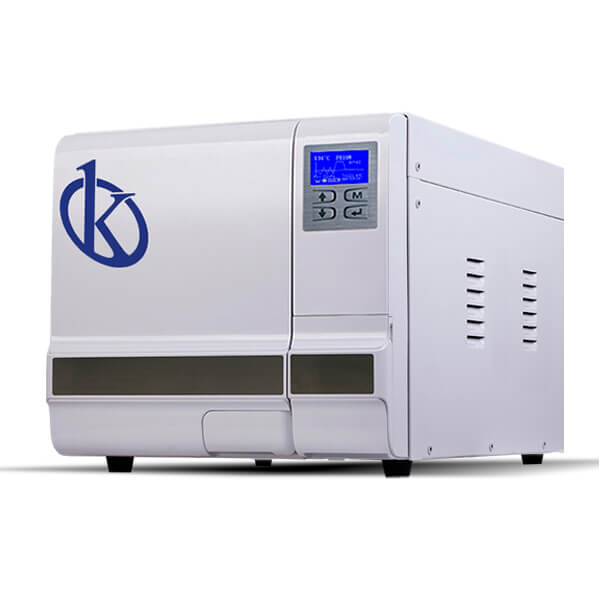
How Can Horizontal Autoclaves Enhance Energy Sustainability in Laboratories?
In today's world, the importance of energy sustainability has taken center stage in laboratory operations. Horizontal autoclaves are pivotal in this transition, offering innovative solutions that not only ensure effective sterilization but also minimize the environmental footprint. This article delves into the features of various models, highlights best practices for energy-efficient operations, and discusses how they contribute to a greener future for laboratories.
Understanding Horizontal Autoclaves in the Context of Energy Sustainability
Horizontal autoclaves, such as the Class B Table Autoclave YR03387 and YR03388, are designed for compact and efficient sterilization processes. Their unique construction allows for optimal steam penetration and reduced energy consumption, making them ideal for small businesses and laboratories seeking to enhance their sustainability efforts. By using these devices, facilities can ensure compliance with European standards while also addressing energy efficiency.
Key Features Promoting Energy Sustainability
Modern horizontal autoclaves incorporate several features that contribute to energy sustainability:
- Pre-Vacuum Technology: Models like YR03389 utilize pre-vacuum cycles that reduce energy consumption by ensuring faster sterilization times and less steam usage.
- Compact Design: With sizes ranging from 8L to 28L, models such as YR03390 and YR03385C require less energy to heat the chamber, making them more efficient.
- Automated Sterilization Cycles: Automatic programs ensure optimal energy usage, minimizing waste by precisely controlling the sterilization process.
Energy Consumption Analysis of Different Models
To understand how different horizontal autoclave models contribute to energy sustainability, let’s analyze their energy consumption:
| Model | Power (W) | Typical Cycle Time (min) | Energy Consumption (kWh per cycle) |
|---|---|---|---|
| YR03387 | 1750 | 30 | 0.875 |
| YR03388 | 1750 | 28 | 0.833 |
| YR03389 | 1750 | 27 | 0.8125 |
| YR03390 | 1750 | 26 | 0.7917 |
| YR03385C | 2300 | 32 | 1.0667 |
Comparison of Available Models
| Model | Chamber Volume (L) | Best for | Energy Efficiency Features |
|---|---|---|---|
| YR03387 | 8 | Small Labs | Pre-vacuum, compact |
| YR03388 | 12 | Beauty Salons | Automated cycles |
| YR03389 | 18 | Veterinary Clinics | Powerful steam generator |
| YR03390 | 23 | Laboratories | Low energy consumption |
| YR03385C | 29 | Medium-Sized Labs | High precision control |
Best Practices for Reducing Environmental Impact
To further enhance energy sustainability in laboratory settings, here are some best practices:
- Regular Maintenance: Ensuring that autoclaves are serviced regularly can prevent energy waste and extend lifespan.
- Optimal Load Management: Load the autoclaves optimally to maximize efficiency in each cycle, reducing the need for multiple runs.
- Training Staff: Train personnel on best practices for energy conservation and effective use of autoclaves.
Common Mistakes and How to Avoid Them
Laboratories often encounter challenges when adopting energy-efficient practices. Common mistakes include:
- Overloading Autoclaves: This can lead to ineffective sterilization and increased energy use. Follow manufacturer recommendations for load sizes.
- Ignoring Maintenance: Neglecting routine checks can result in decreased efficiency. Schedule maintenance checks regularly.
- Inadequate Staff Training: Staff should be educated on the operational features and energy-saving tips associated with the models in use.
Frequently Asked Questions
How do horizontal autoclaves support energy sustainability in laboratories?
Horizontal autoclaves, such as the YR03387 and YR03388, utilize pre-vacuum technology that significantly reduces energy consumption while ensuring effective sterilization. Their compact design further enhances energy efficiency, contributing to lower operational costs and a reduced environmental footprint.
What are the energy consumption metrics for horizontal autoclaves?
The energy consumption varies by model. For example, the YR03389 consumes approximately 0.8125 kWh per cycle, showcasing its efficiency in energy usage while maintaining performance standards for sterilization in various laboratory scenarios.
Which features of horizontal autoclaves minimize environmental impact?
Features like automated sterilization cycles, compact design, and pre-vacuum technology found in models such as YR03390 and YR03385C minimize environmental impact by optimizing steam usage and reducing cycle times, leading to lower energy consumption overall.
How can labs measure the energy efficiency of their autoclaves?
Laboratories can measure energy efficiency by analyzing the energy consumption per sterilization cycle. Models like the YR03388 provide clear metrics for power usage, allowing labs to evaluate their operational efficiency against industry standards.
What is the best way to maintain energy-efficient operations with autoclaves?
To maintain energy-efficient operations, labs should perform regular maintenance, ensure optimal loading, and train staff on operational best practices. This is critical for maximizing the performance of models like YR03389 and reducing energy waste.
How often should horizontal autoclaves be serviced to ensure efficiency?
Horizontal autoclaves should ideally be serviced at least annually. Regular servicing ensures that models like YR03390 and YR03385C are functioning at peak efficiency, which is crucial for energy sustainability and compliance with sterilization standards.
What role do horizontal autoclaves play in meeting environmental regulations?
Horizontal autoclaves, including the YR03387 and YR03388, help laboratories meet environmental regulations by reducing energy consumption and waste. Their efficient design supports compliance with standards such as EN13060, contributing to an overall greener operation.
How can I choose the right horizontal autoclave for energy sustainability?
When selecting a horizontal autoclave, consider the model's energy efficiency ratings, features like pre-vacuum technology, and capacity. Models such as YR03385B are designed specifically to minimize environmental impact while delivering reliable sterilization.
If you are looking for a fusion of innovation and quality, you have come to the right place. At Kalstein, we offer you the luxury of exploring our exclusive catalog of laboratory equipment. We manufacture every device to the highest standards of excellence. Our intuitive and seamless online purchasing channels are designed for your convenience, securing the most competitive prices. Hesitate no longer — we bring science to life, it is time to become part of our community.