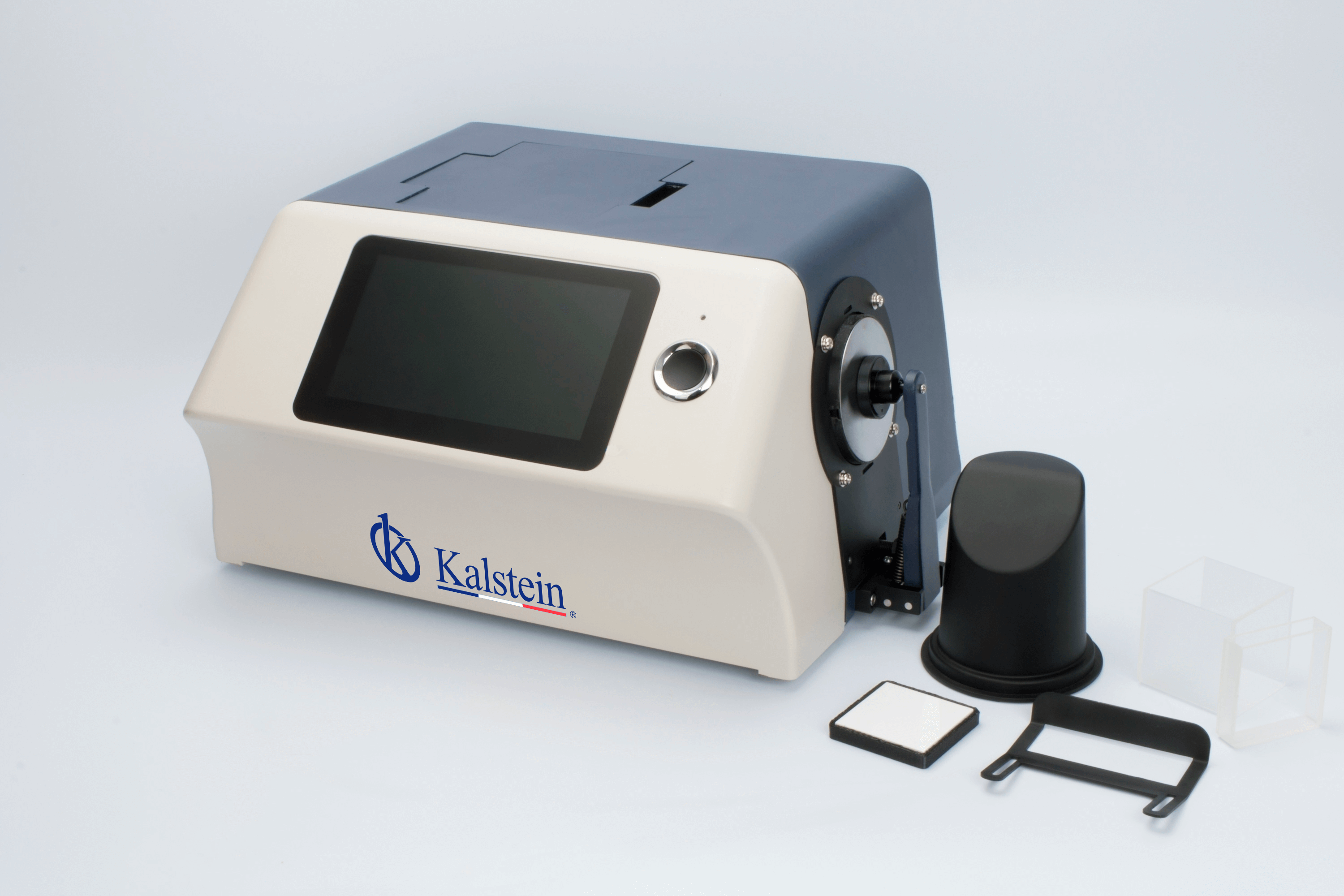
Ensuring Biosafety in Benchtop Spectrophotometers: A Comprehensive Guide
Benchtop spectrophotometers play a crucial role in laboratories, particularly for color analysis in various fields such as research and quality control. However, with their utilization comes the necessity to implement strict biosafety protocols to protect operators and ensure accurate results. This guide delves into best practices, relevant standards, and effective models that can aid in maintaining high levels of safety within laboratory settings.
Understanding Biosafety Protocols in Laboratory Settings
Biosafety protocols are essential in preventing exposure to hazardous materials and ensuring a safe working environment. These protocols often follow a tiered system known as Biosafety Levels (BSL) that categorize the risks associated with different pathogens and materials. Laboratories must adhere to appropriate BSL guidelines while operating spectrophotometers to mitigate risks effectively.
Key Biosafety Levels and Their Applicability to Spectrophotometers
The BSL framework consists of four levels: BSL-1, BSL-2, BSL-3, and BSL-4. Each level entails specific safety measures, including personal protective equipment (PPE), decontamination protocols, and facility design. For instance, BSL-2 is often relevant for laboratories handling moderate-risk agents, where operators may use benchtop spectrophotometers. Proper training and adherence to BSL guidelines are crucial for laboratory personnel.
Operator Protection: Essential Personal Protective Equipment
When operating benchtop spectrophotometers, it is vital to utilize the correct personal protective equipment (PPE). Essential PPE includes lab coats, gloves, and safety goggles to protect against chemical exposure and bodily injury. For example, using YR05474 and YR05475 models, which require handling of reagents for color analysis, necessitates strict adherence to PPE guidelines.
Decontamination and Waste Management Protocols
Decontamination protocols must be in place to ensure safe handling of equipment and samples. This includes regularly cleaning the spectrophotometer surfaces with suitable disinfectants and managing waste generated during analysis. Utilizing models like YR05476 allows for efficient sample handling, but waste management remains a critical aspect of laboratory operations.
Training and Risk Assessment for Laboratory Professionals
Conducting regular training sessions on biohazard management and operational safety is crucial for laboratory professionals. Risk assessments should be routinely performed to identify potential hazards associated with using benchtop spectrophotometers. Training enhances awareness and adherence to standard operating procedures, thus decreasing the likelihood of accidents.
Comparison of Available Models
| Model | Compliance Features | Recommended Usage | Price (USD) |
|---|---|---|---|
| YR05474 | ISO 7724/1, ASTM E1164 | Color analysis in R&D settings | 6430.00 |
| YR05475 | ISO 7724/1, CIE No.15 | Laboratory color testing | 4695.00 |
| YR05476 | ASTM D1003, ISO 7724/1 | Precise color transmission analysis | 6430.00 |
| YR05477 | ISO 7724/1, ASTM E1164 | Reflectance and transmission in liquids | 4695.00 |
| YR05478 | ISO 7724/1, ASTM E1164 | Color analysis in electronics and textiles | 4445.00 |
| YR05482 | ISO 7724/1, ASTM E1164 | Non-contact color measurements | 4950.00 |
Common Mistakes and How to Avoid Them
Laboratory professionals often overlook critical biosafety protocols, leading to potential hazards. Common mistakes include improper use of PPE, neglecting equipment decontamination, and inadequate training. To avoid these pitfalls, labs should establish clear guidelines and regular training sessions. By doing so, operators can ensure compliance and safety while using benchtop spectrophotometers.
Frequently Asked Questions
What are the biosafety protocols for using benchtop spectrophotometers?
Biosafety protocols for using benchtop spectrophotometers involve adhering to specific Biosafety Levels (BSL), utilizing personal protective equipment (PPE), and ensuring proper waste management practices. For example, models like YR05474 and YR05475 require strict adherence to BSL-2 protocols, which emphasize the use of PPE to protect against exposure.
How can I ensure safe operation of the YR05476 spectrophotometer?
To ensure safe operation of the YR05476 spectrophotometer, laboratory professionals should implement proper decontamination protocols, wear appropriate PPE, and conduct regular training sessions. Following ISO standards such as ISO 7724/1 enhances safety while operating this model, which is crucial for accurate color analysis.
Which YR054xx model is best for color analysis with minimal risk?
The YR05482 model is ideal for color analysis with minimal risk due to its non-contact measurement feature. This design allows for safe operation without direct contact with samples, thereby reducing the risk of contamination and ensuring compliance with safety standards.
What PPE is essential when operating benchtop spectrophotometers?
Essential PPE when operating benchtop spectrophotometers includes lab coats, gloves, and safety goggles to protect against chemical exposure and accidents. Regardless of the model used, such as the YR05475, proper PPE is vital for maintaining safety in the laboratory environment.
How often should training for laboratory personnel on biosafety be conducted?
Training for laboratory personnel on biosafety should be conducted at least annually or whenever new protocols or equipment, such as the YR05476, are introduced. Regular updates ensure that staff are aware of the latest safety measures and compliance requirements related to spectrophotometer use.
What decontamination methods are effective for benchtop spectrophotometers?
Effective decontamination methods for benchtop spectrophotometers include using disinfectant wipes and solutions approved for laboratory use. Regular disinfection of high-touch areas and components, particularly after using models like YR05477, is essential for minimizing contamination risks.
How do biosafety regulations impact the use of YR05478 in laboratories?
Biosafety regulations impact the use of the YR05478 by necessitating adherence to specific operational protocols, including PPE requirements and waste management practices. Compliance with standards such as ISO 7724/1 is critical to ensuring safe operations in environments using this model.
What should be included in a risk assessment for spectrophotometer use?
A risk assessment for spectrophotometer use should include potential hazards associated with chemical exposure, equipment handling, and sample analysis. It should also address compliance with relevant safety standards and recommend safety measures for models like YR05482, which require special handling precautions.
If you are looking for a fusion of innovation and quality, you have come to the right place. At Kalstein, we offer you the luxury of exploring our exclusive catalog of laboratory equipment. We manufacture every device to the highest standards of excellence. Our intuitive and seamless online purchasing channels are designed for your convenience, securing the most competitive prices. Hesitate no longer — we bring science to life, it is time to become part of our community.