Benchtop Spectrophotometers: Practical Applications and Techniques 2026
What is it used for in 2026
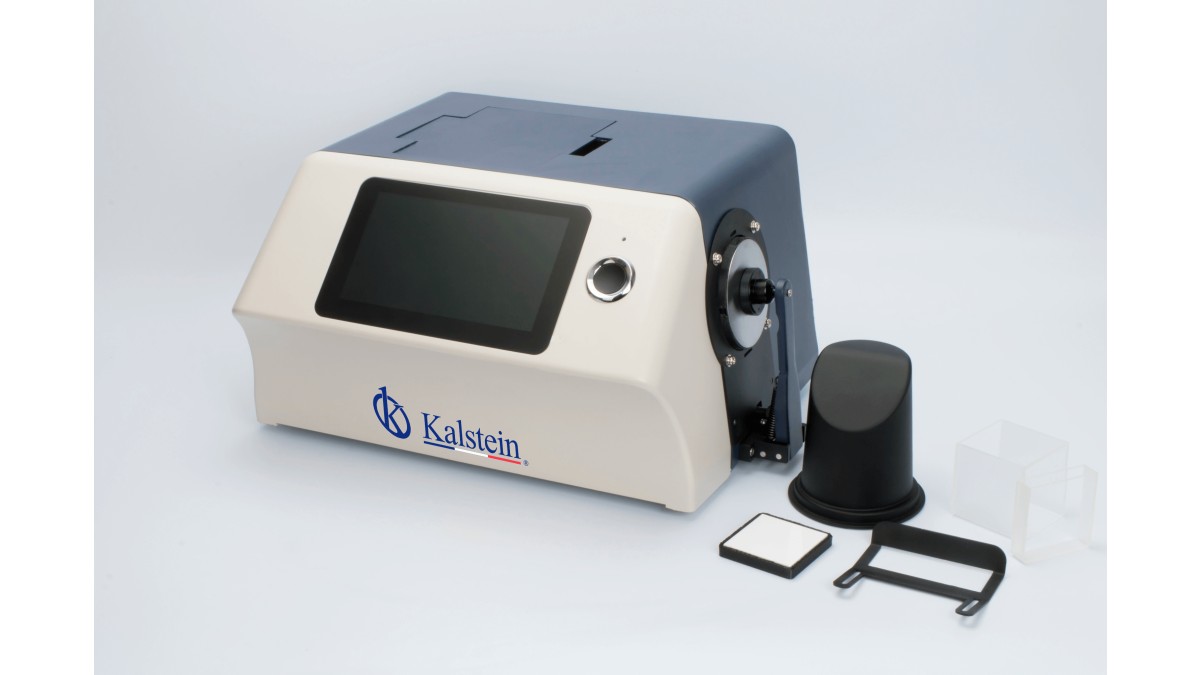
Benchtop spectrophotometers are versatile instruments widely utilized in laboratories for measuring the absorption or transmission of light in various samples. In 2026, their applications span across multiple fields, including research, biotechnology, academia, and quality control in industrial settings. These devices are crucial for color measurement, chemical analysis, and the assessment of material properties in sectors such as pharmaceuticals, food and beverage, textiles, and environmental monitoring.
History and evolution of the technology
The evolution of spectrophotometry dates back to the early 19th century when scientists began exploring the interaction of light with matter. Initially, spectrophotometers were bulky and manual, requiring significant operator intervention. Over the years, advancements in optics, digital technology, and computer software transformed these instruments into highly precise, automated devices. Modern benchtop spectrophotometers now feature touchscreen interfaces, robust software, and enhanced measurement capabilities, facilitating their use in complex applications.
How to use it step by step
Using a benchtop spectrophotometer involves several crucial steps to ensure accurate measurements:
- Preparation: Ensure the spectrophotometer is calibrated and set up according to the manufacturer's specifications.
- Sample Preparation: Prepare the sample to be tested, ensuring it is free from contaminants and prepared in a suitable solvent if necessary.
- Zeroing the Instrument: Use a blank sample to zero the instrument, ensuring that any absorbance readings are solely from the sample being tested.
- Measurement: Place the sample in the spectrophotometer, select the appropriate wavelength, and initiate the measurement.
- Data Analysis: Analyze the data obtained, comparing it against standard values to draw conclusions.
- Documentation: Record all measurement results accurately for future reference.
Best techniques and protocols
In 2026, several techniques and protocols have been established for utilizing benchtop spectrophotometers effectively:
- Consistent Sample Thickness: Ensure uniform sample thickness to avoid discrepancies in readings.
- Appropriate Wavelength Selection: Select the correct wavelength based on the specific absorbance characteristics of the sample.
- Temperature Control: Monitor and control the temperature during measurements to minimize errors caused by temperature fluctuations.
- Use of Standards: Regularly utilize calibration standards to verify instrument accuracy.
- Replicates: Conduct multiple measurements for each sample to ensure reliability and account for any variability.
Practical applications by laboratory type
Benchtop spectrophotometers find extensive applications across various laboratory types:
- Research Laboratories: Used for analyzing chemical compounds and studying reaction kinetics.
- Quality Control Laboratories: Utilized in monitoring product quality, especially in the food and beverage, pharmaceutical, and cosmetic industries.
- Academic Laboratories: Employed in educational settings for teaching principles of spectrophotometry and light interaction with matter.
- Biotechnology Laboratories: Important for analyzing biomolecules, protein concentrations, and other biological samples.
Regulations, standards and certifications
In 2026, benchtop spectrophotometers must comply with various regulations and standards to ensure the accuracy and reliability of measurements. Common certifications include ISO 9001 for quality management systems and ISO 17025 for testing and calibration laboratories. It is essential for laboratories to adhere to these guidelines to maintain credibility and produce reliable data.
Comparison with alternative technologies
While benchtop spectrophotometers are widely used, there are alternative technologies available, such as:
- Colorimeters: Simpler and generally less expensive, colorimeters are suitable for specific color measurement applications but lack the versatility of spectrophotometers.
- Fluorometers: These devices measure the fluorescence of samples and can provide more sensitive measurements for specific applications.
- Multispectral Imaging: This technology captures images at various wavelengths, allowing for comprehensive analysis but often requiring more complex setups.
Comparison of available models
| Model | Best for | Key specs | Recommended use case |
|---|---|---|---|
| YR05474 | Color analysis in R&D and laboratory environments | Price: $6430.00 | Ideal for laboratories focused on accurate color measurement |
| YR05475 | Color measurement, color matching | Price: $4695.00 | Recommended for quality control in manufacturing |
| YR05476 | Color analysis in various materials | Price: $6430.00 | Best for academic and research applications |
| YR05477 | Reflectance and transmittance measurement | Price: $4695.00 | Suitable for testing both liquids and solids |
| YR05478 | Color difference measurements | Price: $4445.00 | Used for color control in industries like textiles and plastics |
| YR05482 | Non-contact color measurement | Price: $4950.00 | Ideal for measuring powders and liquids without contamination |
Common mistakes and how to avoid them
To ensure accurate measurements with benchtop spectrophotometers, it is crucial to avoid common pitfalls:
- Inadequate Calibration: Regularly calibrate the instrument using appropriate standards to maintain accuracy.
- Poor Sample Preparation: Ensure samples are clean and properly prepared to avoid contamination.
- Ignoring Wavelength Settings: Double-check that the correct wavelength is selected based on the sample’s absorbance characteristics.
- Neglecting Temperature Effects: Monitor temperature conditions, as fluctuations can affect measurement accuracy.
Maintenance, calibration and good practices 2026
To ensure optimal performance of benchtop spectrophotometers, regular maintenance and calibration are vital:
- Routine Cleaning: Clean the optical components regularly to prevent dust and residues, which can affect results.
- Calibration: Calibrate the instrument according to a regular schedule using certified standards.
- Record Keeping: Maintain detailed logs of calibration, maintenance, and any adjustments made to the instrument to track performance over time.
- Training: Ensure all operators are trained on the proper use and maintenance of the spectrophotometer.
Cost-benefit analysis 2026
Investing in a benchtop spectrophotometer can yield significant benefits for laboratories. The initial cost, ranging from $4,445 to $6,430, is often justified by improved accuracy, reliability, and versatility in measurements. The cost savings in terms of rework, waste reduction, and enhanced product quality can far outweigh the initial investment. Additionally, the technological advancements in these devices enhance their utility, making them a worthwhile addition to any laboratory.
Frequently asked questions
What should I consider when selecting a benchtop spectrophotometer?
When selecting a benchtop spectrophotometer, consider factors such as the measurement range, required precision, application type, and budget. Evaluate the specific needs of your laboratory to ensure the instrument meets your requirements.
How often should I calibrate my spectrophotometer?
Calibration frequency depends on how often the instrument is used and the precision required for your measurements. Generally, it is advisable to calibrate before each use or at least once a day when conducting critical measurements.
Can I use the same spectrophotometer for different applications?
Yes, benchtop spectrophotometers are versatile and can be used for a variety of applications, including color measurements, chemical analysis, and quality control. However, ensure that specific measurement protocols are followed for different applications to achieve accurate results.
What types of samples can be measured with a benchtop spectrophotometer?
Benchtop spectrophotometers can measure a wide range of samples, including liquids, solids, and powders. The specific model may have limitations regarding sample type, so it is essential to check the manufacturer’s specifications.
How do I avoid errors in my measurements?
To avoid measurement errors, ensure proper sample preparation, monitor environmental conditions, and regularly calibrate the instrument. Following standard operating procedures can also help minimize errors.
Is it necessary to have a dedicated space for using a benchtop spectrophotometer?
While a dedicated space is not strictly necessary, it is beneficial to have a stable, clean, and controlled environment to ensure accurate measurements and protect the instrument from contamination and external disturbances.
If you are looking for a fusion of innovation and quality, you have come to the right place. At Kalstein, we offer you the luxury of exploring our exclusive catalog of laboratory equipment. We manufacture every device to the highest standards of excellence. Our intuitive and seamless online purchasing channels are designed for your convenience, securing the most competitive prices. Hesitate no longer — we bring science to life, it is time to become part of our community.