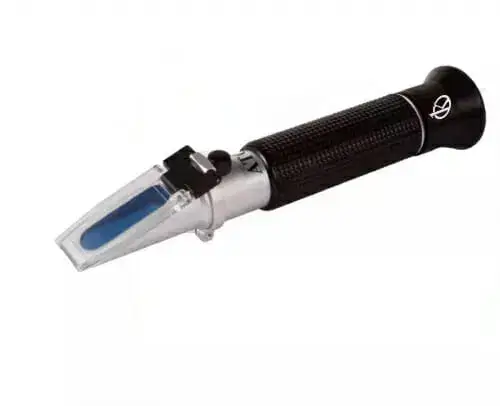
How Wine Refractometers Support Energy Sustainability and Reduce Environmental Footprint
In the ever-evolving landscape of laboratory equipment, energy sustainability and environmental footprint reduction have emerged as critical focal points. The wine refractometer, a vital instrument in winemaking, not only plays a pivotal role in measuring sugar content and alcohol levels but also significantly contributes to sustainable practices in laboratories. This article delves deep into how various models of wine refractometers can aid in achieving energy efficiency and reducing environmental impacts.
Understanding the Role of Wine Refractometers in Energy Sustainability
Wine refractometers are designed to provide rapid and accurate measurements of sugar concentrations, which are integral to the fermentation process. However, their role extends beyond mere measurement. With an increasing focus on sustainability, these instruments can help laboratories implement practices that reduce energy consumption.
The principle of refractometry relies on the refractive index of liquids, which can be affected by temperature. Models equipped with Automatic Temperature Compensation (ATC) are crucial as they ensure accurate readings regardless of ambient conditions, thereby minimizing the need for re-testing or additional energy-intensive processes. For example, the Wine Refractometer YR05932, with its range of 0-25% Vol and 0-40% Brix, includes ATC features that adjust readings based on temperature fluctuations, reducing errors that could lead to wasted resources.
Energy Consumption of Wine Refractometers
Energy consumption in laboratory instruments is a key factor impacting both operational costs and environmental footprint. The efficiency of wine refractometers is influenced by their design and functionality. Models that utilize non-electrical methods or have lower power requirements can significantly decrease energy use.
For example, the Wine Refractometer YR05931 is made of aluminum and operates without requiring any electronic components, which not only makes it lightweight but also energy-efficient. By understanding the energy requirements of each model, laboratories can make informed choices that align with sustainability goals.
Water and Reagent Consumption in Refractometry
Another aspect of sustainability is the consumption of water and reagents during testing procedures. Wine refractometers require minimal reagents as they often use small sample sizes for testing, thus decreasing waste. It is crucial to adopt models that minimize reagent usage while maintaining accuracy.
Models like the Wine Refractometer YR05934 not only provide dual scale measurements but also require only small sample volumes for testing. This ensures that less liquid is wasted, thereby conserving resources and reducing costs associated with reagent procurement.
Lifecycle Assessment of Wine Refractometers
A lifecycle assessment (LCA) of laboratory equipment involves analyzing the environmental impacts associated with all stages of their life, from production to disposal. For wine refractometers, this assessment can reveal opportunities for recycling materials and reducing waste.
The manufacturing of wine refractometers like the Wine Refractometer YR05933, constructed from durable aluminum, allows for a longer lifespan and easier recycling at the end of life. Laboratories are encouraged to choose models designed with sustainability in mind, which can be repurposed or recycled, thus minimizing landfill contributions.
Best Practices for Minimizing the Environmental Impact of Wine Testing
Implementing best practices in the laboratory can further enhance energy sustainability. This includes regular calibration and maintenance of refractometers to ensure they operate efficiently and accurately, reducing the need for repeated tests.
Additionally, establishing a routine cleaning protocol can prevent contamination, ensuring that fewer tests are needed and reducing reagent use. Utilizing models like the Wine Refractometer YR05936 that are easy to clean and maintain can support these practices effectively.
Comparison of Available Models
| Model | Measurement Range | Min. Division | Precision | ATC | Material |
|---|---|---|---|---|---|
| YR05931 | 0-80% v/v | 1% v/v | ±1% v/v | No | Aluminum |
| YR05932 | 0-25% Vol, 0-40% Brix | 0.2% Vol, 0.2% Brix | ±0.2% Vol, ±0.2% Brix | Yes | Aluminum |
| YR05933 | 0-25% Vol, 0-170° Oe | 0.2% Vol, 1° Oe | ±0.2% Vol, ±1° Oe | Yes | Aluminum |
| YR05934 | 0-20% Baume, 0-25% Vol, 0-40% Brix | 0.2% Baume, 0.2% Vol | ±0.2% Baume, ±0.2% Vol | Yes | Aluminum |
| YR05935 | 0-25% Vol, 0-40% Brix | 0.2% Vol, 0.2% Brix | ±0.2% Vol, ±0.2% Brix | Yes | Aluminum |
| YR05936 | 0-25% Vol, 0-40% Brix | 0.2% Vol, 0.2% Brix | ±0.2% Vol, ±0.2% Brix | Yes | Aluminum |
Common Mistakes and How to Avoid Them
Many laboratories overlook the importance of proper calibration and maintenance of their wine refractometers. Inadequate calibration can lead to inaccurate readings, resulting in wasted materials and increased energy consumption due to re-testing. It is vital to adhere to a regular calibration schedule and to follow the manufacturer’s guidelines for each model.
Additionally, using the wrong model for specific applications can waste resources. For instance, utilizing a high-precision model unnecessarily can lead to excessive costs and complexity in simple tests. Therefore, understanding the capabilities of each refractometer model will help in selecting the most appropriate tool for the task, enhancing efficiency and sustainability.
Frequently Asked Questions
How does a wine refractometer contribute to energy sustainability in laboratories?
A wine refractometer like the YR05932, equipped with Automatic Temperature Compensation, ensures accurate readings without the need for multiple tests, significantly reducing energy consumption in laboratory workflows.
What are the environmental benefits of using the YR05934 wine refractometer?
The YR05934 model is designed to minimize reagent usage while providing accurate measurements, thereby decreasing waste and supporting sustainable practices in wine testing laboratories.
Which wine refractometer is best for reducing environmental footprint in a lab?
The YR05931 wine refractometer, made of durable aluminum and requiring no electrical power, significantly lowers energy consumption and helps laboratories reduce their overall environmental impact.
How often should a wine refractometer be calibrated for optimal performance?
Regular calibration of models like the YR05933 is essential every few months or before high-stakes tests to ensure precision and minimize wasted resources in the laboratory.
What is the precision level of the YR05936 wine refractometer?
The YR05936 model offers a precision of ±0.2% Vol, making it ideal for laboratories looking to maintain high accuracy while minimizing waste in wine testing procedures.
How does temperature affect the readings of a wine refractometer?
The YR05932 model compensates for temperature variations with its ATC feature, ensuring that readings remain accurate across a range of environmental conditions, which is crucial for energy efficiency.
What features should I consider for sustainability when choosing a wine refractometer?
Key features include Automatic Temperature Compensation, minimal reagent requirements, and durability. Models like the YR05934 excel in these areas, promoting sustainability in laboratory practices.
Where can I request a quote for wine refractometers?
You can request a quote for wine refractometers through our platform, where we provide detailed specifications and pricing for each model tailored to your laboratory's needs.
If you are looking for a fusion of innovation and quality, you have come to the right place. At Kalstein, we offer you the luxury of exploring our exclusive catalog of laboratory equipment. We manufacture every device to the highest standards of excellence. Our intuitive and seamless online purchasing channels are designed for your convenience, securing the most competitive prices. Hesitate no longer — we bring science to life, it is time to become part of our community.