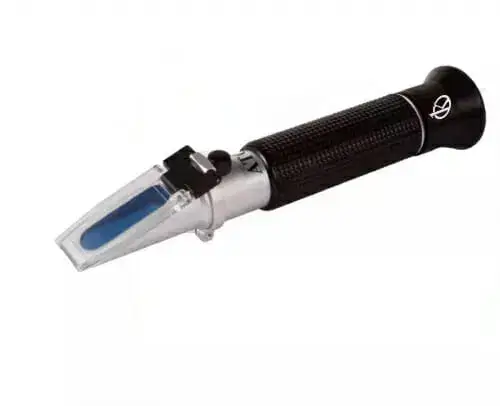
Wine Refractometers: Best Techniques and Protocols 2026
What is it used for in 2026
In 2026, wine refractometers are essential tools in the wine industry, facilitating precise measurements of sugar levels and alcohol content. These instruments help winemakers monitor fermentation processes, ensuring consistency and quality in their products. With advancements in technology, the accuracy and reliability of these devices have significantly improved, making them indispensable for laboratory professionals in oenology.
History and evolution of the technology
The history of refractometers dates back to the early 19th century, with significant advancements leading to their current applications in various fields, particularly in the beverage industry. The evolution from manual refractometers to modern digital models has enhanced ease of use and precision. In the wine sector, refractometers have transitioned from simple tools to sophisticated devices equipped with automatic temperature compensation (ATC), allowing for accurate readings regardless of environmental conditions.
How to use it step by step
Using a wine refractometer involves a few simple steps:
- Calibration: Before use, calibrate the refractometer according to the manufacturer's instructions using distilled water or a calibration solution.
- Sample Preparation: Collect a small sample of the wine or grape juice you wish to measure. Ensure that the sample is at the recommended temperature for accurate readings.
- Applying the Sample: Place a few drops of the sample on the prism of the refractometer, ensuring it covers the entire surface.
- Taking the Reading: Close the cover and look through the eyepiece. Read the measurement displayed on the scale, which indicates the sugar concentration or alcohol content.
- Cleaning: After use, clean the prism and exterior of the refractometer with a soft cloth to maintain accuracy and longevity.
Best techniques and protocols
To achieve the best results with wine refractometers, consider the following techniques and protocols:
- Always allow the refractometer to acclimate to room temperature before taking measurements.
- Use distilled water for calibration to ensure accuracy.
- Perform multiple readings and average the results for greater reliability.
- Document readings meticulously in a laboratory notebook to track changes over time.
- Regularly maintain and calibrate the refractometer to ensure long-term accuracy.
Practical applications by laboratory type
Wine refractometers find applications across various laboratory types:
- Winery Laboratories: Used for monitoring fermentation, assessing grape maturity, and ensuring product quality.
- Research Institutions: Employed in studies related to oenology and viticulture to understand fermentation dynamics.
- Quality Control Labs: Used to ensure consistency and adherence to industry standards in wine production.
Regulations, standards and certifications
In the wine industry, adhering to specific regulations is crucial. Laboratories using refractometers must comply with local and international standards regarding wine production. Ensuring that the refractometers are regularly calibrated and certified according to industry standards (like ISO) is essential for maintaining product quality and safety.
Comparison with alternative technologies
While wine refractometers are popular, other technologies also exist, such as hydrometers and digital density meters. Each method has its strengths:
- Hydrometers: Cost-effective and simple to use but less accurate than refractometers, especially in dense liquids.
- Digital Density Meters: Provide highly accurate measurements and can handle a wider range of samples, but they are generally more expensive.
Comparison of available models
| Model | Best for | Key specs | Recommended use case |
|---|---|---|---|
| YR05931 | Alcohol content measurement | 0-80% v/v, ±1% v/v | Ideal for winemakers focusing on alcohol levels. |
| YR05932 | Wine fermentation monitoring | 0-25% Vol, 0-40% Brix, ±0.2% Vol | Recommended for monitoring sugar levels during fermentation. |
| YR05933 | Sugar and alcohol analysis | 0-25% Vol, 0-170° Oe, ±0.2% Vol | Useful for detailed analysis of wine composition. |
| YR05934 | General wine analysis | 0-20° Baume, 0-25% Vol, ±0.2° Baume | Versatile model for various wine testing applications. |
| YR05935 | Grape juice analysis | 0-40% Brix, ±0.2% Brix | Perfect for assessing grape juice concentration. |
| YR05936 | Quality control | 0-80% v/v, ±1% v/v | Best suited for standard quality checks in production. |
Common mistakes and how to avoid them
Common mistakes when using wine refractometers include:
- Not calibrating: Always calibrate before use to ensure accuracy.
- Ignoring temperature effects: Use ATC models to compensate for temperature variations.
- Inadequate cleaning: Clean the prism after each use to prevent contamination.
- Improper sample size: Always ensure enough sample is used to cover the prism completely.
Maintenance, calibration and good practices 2026
Regular maintenance of wine refractometers involves:
- Calibrating monthly or as required.
- Cleaning the prism with a soft cloth or lens cleaner after each use.
- Storing in a protective case to prevent damage.
- Inspecting for any signs of wear or malfunction regularly.
Cost-benefit analysis 2026
Investing in a wine refractometer offers significant benefits, such as:
- Improved accuracy in measurements leads to better quality control.
- Time saved during the analysis process compared to traditional methods.
- Potential for increased profit margins through enhanced product quality.
- Affordable pricing options make them accessible for small wineries and labs.
Frequently asked questions
What is the best way to calibrate a wine refractometer?
The best way to calibrate a wine refractometer is to use distilled water at room temperature. Place a few drops of distilled water on the prism, close the cover, and adjust the calibration screw until the reading aligns with zero on the scale.
How often should I clean my refractometer?
You should clean your refractometer after each use to prevent contamination and ensure accurate readings. Use a soft cloth or lens cleaner for the prism.
Can I use a wine refractometer for other beverages?
Yes, wine refractometers can often be used for other beverages that contain sugars, such as juices and certain spirits, though results may vary based on the beverage's composition.
What temperature range is ideal for using a wine refractometer?
The ideal temperature range for using a wine refractometer typically falls between 10°C and 30°C (50°F and 86°F). Using the instrument outside this range may affect accuracy.
How do I know if my refractometer is functioning correctly?
To check if your refractometer is functioning correctly, perform regular calibrations and compare readings to known standards. Additionally, inspect the device for any physical damage.
What are the benefits of using a digital wine refractometer?
Digital wine refractometers offer enhanced accuracy, quicker readings, and easier data recording compared to manual models. They often feature automatic temperature compensation, improving reliability.
Where can I request a quote for a wine refractometer?
You can request a quote for a wine refractometer by visiting our product catalog and submitting your inquiry through our customer service channels.
If you are looking for a fusion of innovation and quality, you have come to the right place. At Kalstein, we offer you the luxury of exploring our exclusive catalog of laboratory equipment. We manufacture every device to the highest standards of excellence. Our intuitive and seamless online purchasing channels are designed for your convenience, securing the most competitive prices. Hesitate no longer — we bring science to life, it is time to become part of our community.