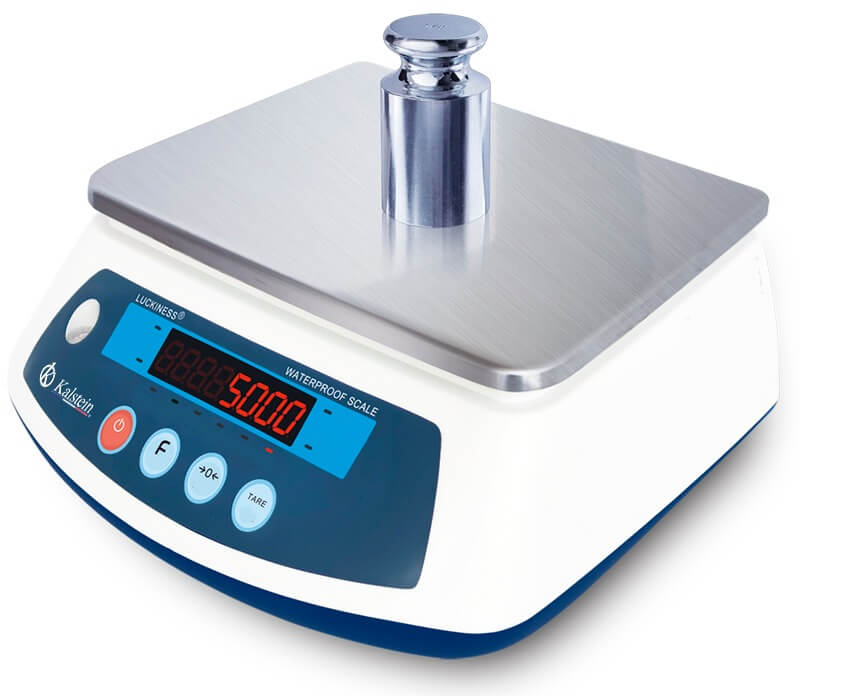
Waterproof Balances: Best Techniques and Protocols in 2026
What is it used for in 2026
In 2026, waterproof balances are essential tools in various laboratory settings, particularly where moisture and spills are common. Their primary use is for accurate weighing of materials, including liquids, powders, and bulk materials that may be sensitive to moisture.
Laboratories across multiple disciplines, including chemical analysis, biological research, and food testing, benefit from waterproof balances as they can prevent damage to the scales and ensure consistent performance even in damp environments.
History and evolution of the technology
The concept of waterproof balances has evolved significantly over the years. Initially, balances were designed for dry environments, limiting their application in laboratories where spills were frequent. The introduction of waterproof technology in balances can be traced back to the late 20th century when the demand for durable and reliable weighing instruments grew.
Today, waterproof balances are equipped with advanced features such as IP68 certification, which ensures they can withstand prolonged exposure to water without compromising functionality. This evolution has made them indispensable in modern laboratory practices.
How to use it step by step
Using a waterproof balance involves several key steps to ensure accurate results:
- Preparation: Place the balance on a stable, level surface away from drafts and vibrations.
- Power on: Turn on the device and allow it to warm up as per the manufacturer’s guidelines.
- Tare the balance: Use the tare function to zero the balance before weighing your sample.
- Weigh your sample: Place the sample on the balance pan, ensuring no external weight is affecting the measurement.
- Record the measurement: Note the weight displayed on the screen.
- Clean the balance: After use, clean the balance with appropriate solutions to maintain its waterproof integrity.
Best techniques and protocols
When using waterproof balances, adhere to the following best techniques and protocols:
- Always use clean and dry containers for weighing to prevent contamination.
- Regularly calibrate the balance according to the manufacturer’s specifications.
- Avoid exposing the balance to extreme temperatures or direct sunlight.
- Utilize the draft shield if available to enhance measurement precision.
- Keep the balance surface clean and avoid spills to maintain its waterproof properties.
Practical applications by laboratory type
Waterproof balances find applications in various laboratory types:
- Chemical Laboratories: Used for weighing reagents and samples that may be exposed to moisture.
- Biological Laboratories: Ideal for weighing biological samples where liquid handling is common.
- Food Industry: Used in food testing labs to weigh ingredients accurately, avoiding contamination.
- Environmental Testing: Essential for weighing soil and water samples that may be damp.
Regulations, standards and certifications
Waterproof balances must comply with various standards and certifications to ensure accuracy and safety. Key certifications include:
- IP68: Certification indicating complete protection against dust and water.
- CE: Compliance with European health, safety, and environmental protection standards.
- RoHS: Restriction of hazardous substances to ensure safe usage.
- LFGB: Compliance with German food safety laws, important for balances used in food laboratories.
Comparison with alternative technologies
When comparing waterproof balances to alternative weighing technologies, it is essential to consider aspects such as accuracy, durability, and application flexibility. Traditional mechanical balances, while reliable, lack the moisture resistance that waterproof balances offer. Electronic balances, on the other hand, provide better accuracy but may be prone to damage in wet conditions.
Overall, waterproof balances represent a balanced solution, combining reliability and precision in environments where moisture is a risk.
Comparison of available models
| Model | Best for | Key specs | Recommended use case |
|---|---|---|---|
| YR05623 | General laboratory weighing | 3 kg/0.1 g | Ideal for precision tasks in wet environments. |
| YR05624 | Lightweight applications | 3 kg/0.5 g | Best for weighing small samples quickly. |
| YR05625 | Standard applications | 6 kg/1 g | Suitable for a variety of laboratory tasks. |
| YR05626 | Higher capacity needs | 7.5 kg/1 g | Effective for weighing larger samples safely. |
| YR05627 | Mid-range applications | 15 kg/5 g | Ideal for mid-sized laboratory tasks. |
| YR05628 | Heavyweight applications | 30 kg/5 g | Best for industrial-level precision weighing. |
Common mistakes and how to avoid them
Here are some common mistakes made when using waterproof balances and how to avoid them:
- Not taring: Always tare the balance before weighing to avoid inaccuracies.
- Ignoring calibration: Regularly calibrate the balance to maintain precision.
- Neglecting cleaning: Clean the balance after each use to maintain its functionality and waterproof integrity.
- Forgetting temperature limits: Always use the balance within the recommended temperature range.
Maintenance, calibration and good practices 2026
Maintenance and regular calibration are critical for the longevity and accuracy of waterproof balances. Here are some good practices:
- Perform daily checks for cleanliness and functionality before use.
- Calibrate the balance at least once a month or more frequently if used daily.
- Store the balance in a dry, safe place when not in use.
- Use protective covers to safeguard against spills and dust.
Cost-benefit analysis 2026
Investing in waterproof balances can have significant long-term benefits:
- Durability: The robust design reduces the likelihood of damage and replacement costs.
- Accuracy: Enhanced precision leads to better experimental outcomes, saving time and resources.
- Versatility: Suitable for various applications, reducing the need for multiple instruments.
- Efficiency: Faster and more reliable weighing processes improve laboratory workflow.
Frequently asked questions
What are the advantages of using a waterproof balance?
Waterproof balances offer protection against spills and moisture, allowing for accurate measurements in wet environments and reducing the risk of damage to the equipment.
How often should waterproof balances be calibrated?
It is recommended to calibrate waterproof balances at least once a month or more frequently if they are used daily to ensure consistent accuracy.
Can waterproof balances be used for weighing liquids?
Yes, waterproof balances are designed to handle liquids and other materials susceptible to moisture, making them ideal for various laboratory applications.
What should I do if my waterproof balance gets exposed to excess water?
If exposed to excess water, ensure it is dried thoroughly before using it again. Check for any visible damage and recalibrate if necessary.
Are waterproof balances suitable for outdoor use?
While waterproof balances are designed to withstand moisture, they should be used in controlled environments to avoid exposure to environmental elements such as extreme temperatures and dust.
How do I clean and maintain my waterproof balance?
Clean the balance with a damp cloth and a mild detergent. Avoid harsh chemicals. Ensure all surfaces are dry before storing or using the balance again.
Where can I request a quote for waterproof balances?
You can request a quote for waterproof balances through our online platform, ensuring you get the best prices for your laboratory needs.
If you are looking for a fusion of innovation and quality, you have come to the right place. At Kalstein, we offer you the luxury of exploring our exclusive catalog of laboratory equipment. We manufacture every device to the highest standards of excellence. Our intuitive and seamless online purchasing channels are designed for your convenience, securing the most competitive prices. Hesitate no longer — we bring science to life, it is time to become part of our community.