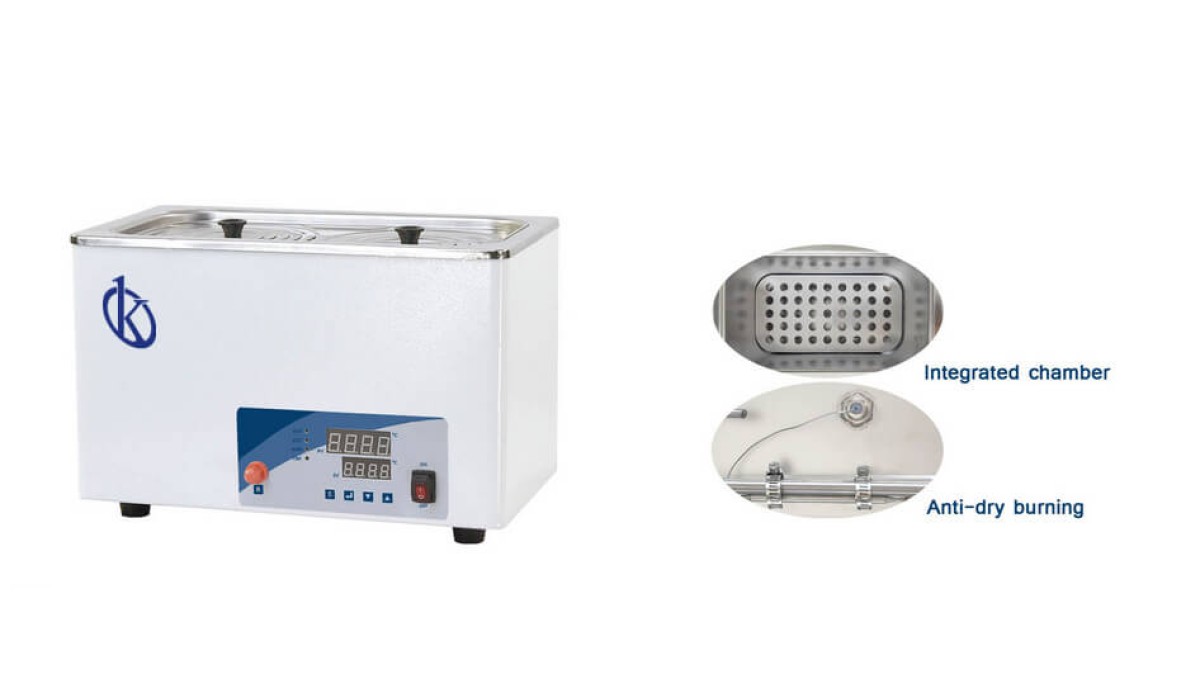
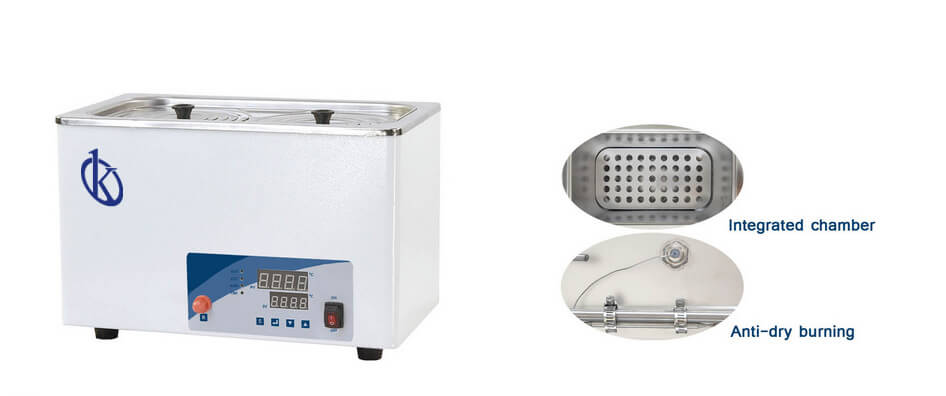
Water Baths: Practical Applications and Techniques 2026
Water baths are vital tools in laboratory settings, particularly in clinical and hospital environments. This equipment provides a controlled temperature environment ideal for a variety of applications. As we delve into the practical applications of water baths in 2026, we will touch upon their significance, historical evolution, usage techniques, and relevant best practices.
What is it used for in 2026
In 2026, water baths are used extensively in laboratories for numerous tasks, including but not limited to:
- Heating samples and reagents to precise temperatures for reactions.
- Thawing frozen samples and maintaining biological samples at specific temperatures.
- Performing incubations for cell cultures, enzymes, and other biochemical processes.
- Enabling temperature-controlled environments for various experiments.
History and evolution of the technology
The concept of water baths dates back several decades, evolving from simple heated containers to sophisticated, temperature-controlled units. Initially, water baths were basic setups that relied on manual temperature measurements. Over time, technological advancements have led to the integration of digital controllers, PID regulation, and enhanced safety features, significantly improving their accuracy and reliability.
How to use it step by step
Using a water bath effectively involves several steps:
- Preparation: Ensure the water bath is clean and free from contaminants.
- Fill with Water: Add distilled water to the fill line indicated in the bath.
- Set Temperature: Adjust the digital controller to the desired temperature, considering the sample requirements.
- Preheat: Allow the bath to reach the set temperature before placing samples inside.
- Place Samples: Carefully add your samples in appropriate containers that can withstand the heat.
- Monitor: Regularly check the temperature throughout the process to ensure consistency.
- Remove Samples: Once the incubation or heating time is complete, safely remove the samples using appropriate tools.
- Clean Up: After use, clean the bath and drain any water as required.
Best techniques and protocols
To maximize the effectiveness of water baths, adhere to the following techniques:
- Use calibrated thermometers to verify temperature accuracy.
- Employ racks or baskets to prevent direct contact with the bottom of the bath.
- Avoid overcrowding the bath to ensure even heat distribution.
- Regularly calibrate the unit to ensure it maintains precise temperatures.
Practical applications by laboratory type
Water baths find applications across various laboratory types:
- Clinical Laboratories: Used for sample incubation, dilution, and several assays.
- Research Laboratories: Essential for biochemical experiments, cell culture maintenance, and sample preparation.
- Environmental Labs: Employed for temperature tests and sample analysis.
Regulations, standards and certifications
Water baths must comply with various industry standards. Key regulations include:
- ISO 9001 for quality management systems.
- ASTM standards for laboratory equipment safety and performance.
- Local health and safety regulations governing laboratory equipment use.
Comparison with alternative technologies
While water baths are highly effective, alternatives such as dry baths and incubators also serve similar purposes. Dry baths, for instance, do not require water and can provide rapid heating, while incubators offer more stringent control over environmental conditions. Understanding the specific needs of experiments can guide the choice between these technologies.
Comparison of available models
| Model | Best for | Key specs | Recommended use case |
|---|---|---|---|
| YR05073 | General laboratory heating applications | Temperature range: RT +5~100 °C; Power: 300W | Heating samples for biochemical reactions |
| YR05074 | General laboratory heating applications | Temperature range: RT +5~100 °C; Power: 600W | Heating solids and liquids for assays |
| YR030L | Heating with agitation | Temperature range: RT~100°C; Power: 602W | Cell culture and biochemical assays requiring mixing |
| YR05001 | Chemical reactors | Cooling and heating capabilities; Power: 3300W | For controlled experiments in chemical engineering |
| YR05002 | Chemical reactors | Cooling and heating capabilities; Power: 3700W | Temperature control in chemical reactions |
| YR05003 | Chemical reactors | Cooling and heating capabilities; Power: 8400W | Advanced studies in chemical processes |
Common mistakes and how to avoid them
Some common mistakes while using water baths include:
- Not preheating the bath before adding samples.
- Overcrowding the bath, causing uneven temperature distribution.
- Failing to regularly monitor and calibrate the temperature.
To avoid these pitfalls, establish standard operating procedures that include preparation checks, regular monitoring, and enforced cleaning protocols.
Maintenance, calibration and good practices 2026
Regular maintenance is crucial for optimal performance:
- Clean the unit after each use to prevent contamination.
- Calibrate the temperature settings monthly to ensure accuracy.
- Inspect and replace any worn or damaged components to maintain safety.
Developing a maintenance schedule and keeping accurate logs can significantly enhance the lifespan and reliability of water baths.
Cost-benefit analysis 2026
When evaluating the cost-benefit of water baths, consider:
- Initial purchase costs versus long-term performance and reliability.
- The potential savings from using water baths for various applications instead of more expensive alternatives.
- The versatility of water baths across multiple laboratory functions, increasing their value.
Overall, the investment in a quality water bath often pays off through improved efficiency and reliability in laboratory processes.
Frequently asked questions
What are the safety precautions when using water baths?
Always ensure the water bath is placed on a stable surface, use gloves when handling heated samples, and regularly check for water levels to prevent dry operation.
How do I choose the right water bath for my lab?
Consider your specific applications, required temperature ranges, and whether agitation is necessary. Models vary significantly in power and features, so choose based on your laboratory's needs.
Can I use a water bath for both heating and cooling?
Standard water baths are typically used for heating; however, specialized models like circulators can provide both heating and cooling capabilities.
How often should I calibrate my water bath?
Calibration is recommended monthly or more frequently if you notice any discrepancies in temperature readings.
What is the maximum temperature I can set on a water bath?
This varies by model, but most water baths operate within a range of RT +5~100 °C. Always refer to the manufacturer's specifications.
How can I prevent water contamination in my water bath?
Regular cleaning and using distilled water can help prevent contamination. Properly sealing samples also minimizes the risk of introducing contaminants.
Where can I find high-quality water baths for my laboratory?
For a range of reliable options, we recommend exploring our catalog for competitive pricing and innovative designs.
If you are looking for a fusion of innovation and quality, you have come to the right place. At Kalstein, we offer you the luxury of exploring our exclusive catalog of laboratory equipment. We manufacture every device to the highest standards of excellence. Our intuitive and seamless online purchasing channels are designed for your convenience, securing the most competitive prices. Hesitate no longer — we bring science to life, it is time to become part of our community.