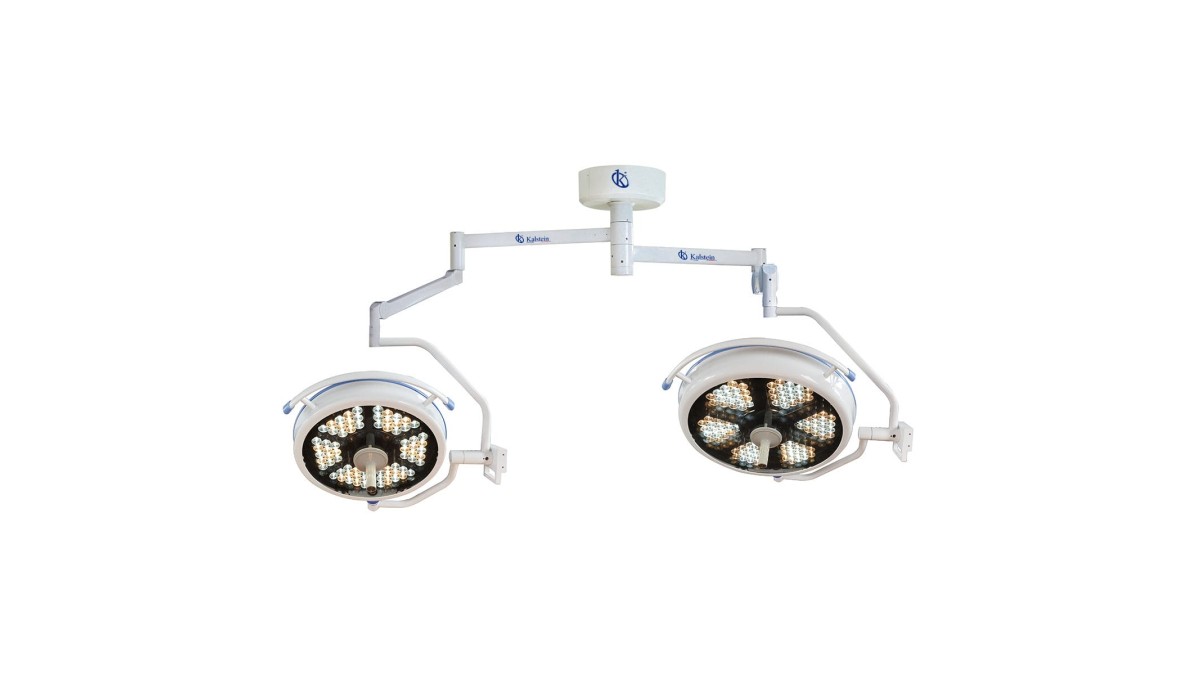
Veterinary Operating Lamps: Practical Applications and Techniques 2026
Veterinary operating lamps play a crucial role in modern veterinary medicine, providing optimal lighting conditions required during surgery and other medical procedures. Understanding their applications and effective usage can significantly enhance outcomes in veterinary practices. This article delves into the comprehensive aspects of these lamps, focusing on their importance, historical development, practical applications, and best practices in 2026.
What is it used for in 2026
In 2026, veterinary operating lamps are primarily used in surgical settings across various veterinary practices. They provide shadow-free illumination, which is essential for the precision required in surgical procedures. These lamps also assist in dental surgeries, diagnostics, and other applications where adequate lighting is crucial. The advanced LED technology incorporated in these lamps ensures that the color temperature can be adjusted, making them suitable for different surgical environments, enhancing visibility of tissues and organs.
History and evolution of the technology
The evolution of veterinary operating lamps has seen significant advancements since their inception. Early surgical lights used incandescent bulbs that generated excessive heat and light that was often dim and shadowy. The introduction of halogen bulbs improved brightness but still retained heat issues. The revolution came with the advent of LED technology, which offered not only superior brightness and shadow-free illumination but also reduced heat emission. Modern lamps are designed with adjustable color temperatures, reflecting a growing understanding of the needs in veterinary surgery.
How to use it step by step
Using veterinary operating lamps effectively involves several steps to ensure optimal performance and results. Here is a step-by-step guide:
- Setup: Position the lamp securely in the surgery room, ensuring it is properly mounted (ceiling or wall-mounted options are common) to provide maximum coverage.
- Adjust Height: Set the height of the lamp according to the surgical table's position, ensuring the light reaches the area of operation without obstruction.
- Color Temperature Adjustment: Adjust the color temperature depending on the type of procedure being performed. Warmer lights are often used for soft tissue work, while cooler lights may be preferred for more precise surgical tasks.
- Brightness Control: Utilize the dimming features to adjust brightness as needed, ensuring eye comfort and clarity.
- Test Illumination: Before initiating the procedure, test the lamp's illumination on the surgical area to verify adequacy.
- Maintenance: Regularly check and maintain the lamp post-operative to ensure that it remains in good working condition for future use.
Best techniques and protocols
To maximize the effectiveness of veterinary operating lamps, certain techniques and protocols should be followed:
- Regular Calibration: Schedule routine checks to calibrate the brightness and ensure color temperature accuracy.
- Proper Cleaning: Use appropriate cleaning solutions to keep the lamp surface free of contaminants and maintain optimal light output.
- Training Staff: Ensure that all staff members are trained on how to operate the lamps effectively and understand the importance of lighting in surgical procedures.
- Adjust Lighting According to Procedure: Different surgical techniques may require varying light intensities and temperatures, adjust accordingly.
Practical applications by laboratory type
Veterinary operating lamps are applicable across various types of veterinary laboratories:
- General Practice Clinics: Used during routine surgeries and procedures.
- Specialty Clinics: For advanced surgeries such as orthopedic or cardiac procedures where precision is critical.
- Research Laboratories: To conduct surgeries on research animals with the necessity of a sterile environment and optimal visibility.
Regulations, standards and certifications
Veterinary operating lamps must comply with various regulations and standards to ensure safety and efficacy:
- ISO Standards: Compliance with ISO standards relating to medical lighting is essential.
- CE Marking: Indicates conformity with health, safety, and environmental protection standards for products sold within the European Economic Area.
- FDA Approval: In the USA, ensuring the lamps are FDA-approved signifies they meet specific safety and effectiveness criteria.
Comparison with alternative technologies
When comparing veterinary operating lamps with alternative technologies such as halogen lighting, several factors must be considered:
- Heat Emission: LED lamps emit less heat compared to halogen lamps, making them more comfortable for both patients and veterinarians.
- Energy Efficiency: LED lamps have a longer lifespan and lower energy consumption, resulting in cost savings over time.
- Light Quality: LED lights provide superior light quality with adjustable color temperatures, allowing for better tissue differentiation during surgeries.
Comparison of available models
| Model | Best for | Key specs | Recommended use case |
|---|---|---|---|
| YR06115 | Complex surgeries | ≥160,000Lux, 50,000h lifespan | Ideal for neurosurgery and thoracic surgery. |
| YR06116 | Routine surgeries | 160,000Lux, 60,000h lifespan | Perfect for general surgical procedures. |
| YR06117 | Ceiling installation | 40000~160000Lux, ≥600mm depth | Suitable for high-traffic surgical environments. |
| YR06118 | Wall-mount applications | 40000~160000Lux, ≥600mm depth | Excellent for space-constrained surgical areas. |
| YR06119 | Minor surgeries | ≥100,000Lux, 30,000h lifespan | Best as a secondary light for minor procedures. |
| YR06120 | Specific surgeries | ≥50000Lux, 30,000h lifespan | Ideal for specific, less invasive surgeries. |
Common mistakes and how to avoid them
To ensure effective use of veterinary operating lamps, it's crucial to avoid common pitfalls:
- Improper Height Adjustment: Always verify the height before surgery to ensure optimal lighting on the surgical site.
- Neglecting Maintenance: Regular maintenance and cleaning are necessary to maintain light quality and equipment longevity.
- Incorrect Color Temperature Settings: Always adjust the color temperature according to the specific needs of each procedure to enhance visibility and tissue differentiation.
Maintenance, calibration and good practices 2026
Ongoing maintenance is vital for ensuring that veterinary operating lamps perform at their best. Regular checks and calibrations should include:
- Cleaning the Lamp: Use soft, non-abrasive materials to clean the lamp surface, avoiding damage.
- Checking Connections: Ensure all electrical connections are secure and functioning to prevent interruptions during use.
- Calibration: Conduct regular calibrations for brightness and color temperature to maintain optimal operating conditions.
Cost-benefit analysis 2026
When assessing the cost-benefit of investing in veterinary operating lamps, consider the following:
- Initial Investment: While the upfront cost may be significant, the longevity and energy efficiency of LED lamps often lead to lower overall costs.
- Operational Efficiency: Better lighting can enhance surgical precision, resulting in improved patient outcomes, reduced recovery times, and overall operational efficiency.
- Patient Comfort: By minimizing heat output and providing optimal visibility, veterinary operating lamps contribute to lower stress levels in patients, which can lead to a more successful surgical experience.
Frequently asked questions
How do I choose the right veterinary operating lamp for my clinic?
Choosing the right veterinary operating lamp involves assessing your specific needs, such as the types of surgeries you perform, the size of your surgical area, and whether you need a portable or fixed installation. Consider the lamp’s brightness, adjustability, and energy efficiency.
What are the key features to look for in a veterinary operating lamp?
Look for features such as adjustable brightness and color temperature, shadow-free illumination, energy efficiency, and ease of maintenance. These features ensure optimal performance during surgeries.
How often should I perform maintenance on my veterinary operating lamp?
Maintenance should be performed regularly, ideally after every surgical procedure. This includes cleaning the lamp surface and checking for any technical issues that may affect performance.
Can I use these lamps for non-surgical procedures?
Yes, veterinary operating lamps can also be used for non-surgical procedures that require good lighting, such as diagnostic examinations and treatments.
Are there specific regulations I need to consider when using operating lamps?
Yes, ensure your lamps comply with relevant regulations and standards, such as ISO standards, CE marking, and FDA approval if applicable, to guarantee safety and effectiveness.
What are the potential issues if the lamp isn't properly adjusted?
If the lamp is not properly adjusted, it can lead to inadequate lighting, which may increase the risk of surgical errors and compromise patient safety during procedures.
How can I ensure the longevity of my veterinary operating lamp?
Ensure proper maintenance, regular calibration, and avoid exposure to harsh cleaning agents. Following the manufacturer's guidelines for operation can also help increase the lifespan of your equipment.
If you are looking for a fusion of innovation and quality, you have come to the right place. At Kalstein, we offer you the luxury of exploring our exclusive catalog of laboratory equipment. We manufacture every device to the highest standards of excellence. Our intuitive and seamless online purchasing channels are designed for your convenience, securing the most competitive prices. Hesitate no longer — we bring science to life, it is time to become part of our community.