Veterinary Laparoscopy Systems: Energy Sustainability and Environmental Footprint Reduction 2026
In recent years, the veterinary field has increasingly focused on energy sustainability and reducing its environmental footprint. This trend is particularly relevant in the context of veterinary laparoscopy systems, which are key tools in modern veterinary surgery. These systems not only enhance surgical precision and patient outcomes but also present an opportunity to assess their energy usage and environmental impact. This article examines various models of veterinary laparoscopy systems, emphasizing their contributions to energy sustainability and strategies for minimizing environmental footprints.
Understanding Energy Sustainability in Veterinary Laparoscopy
Energy sustainability in veterinary surgery means employing equipment that minimizes energy consumption while maintaining efficiency and effectiveness. Veterinary laparoscopy systems can vary widely in their energy usage. For instance, devices featuring energy-efficient technologies such as LED lighting and advanced insufflation systems can significantly lower kWh per surgical procedure. Moreover, the integration of energy-efficient components not only reduces operational costs but also supports a commitment to environmental responsibility.
The Role of Insufflators in Energy Efficiency
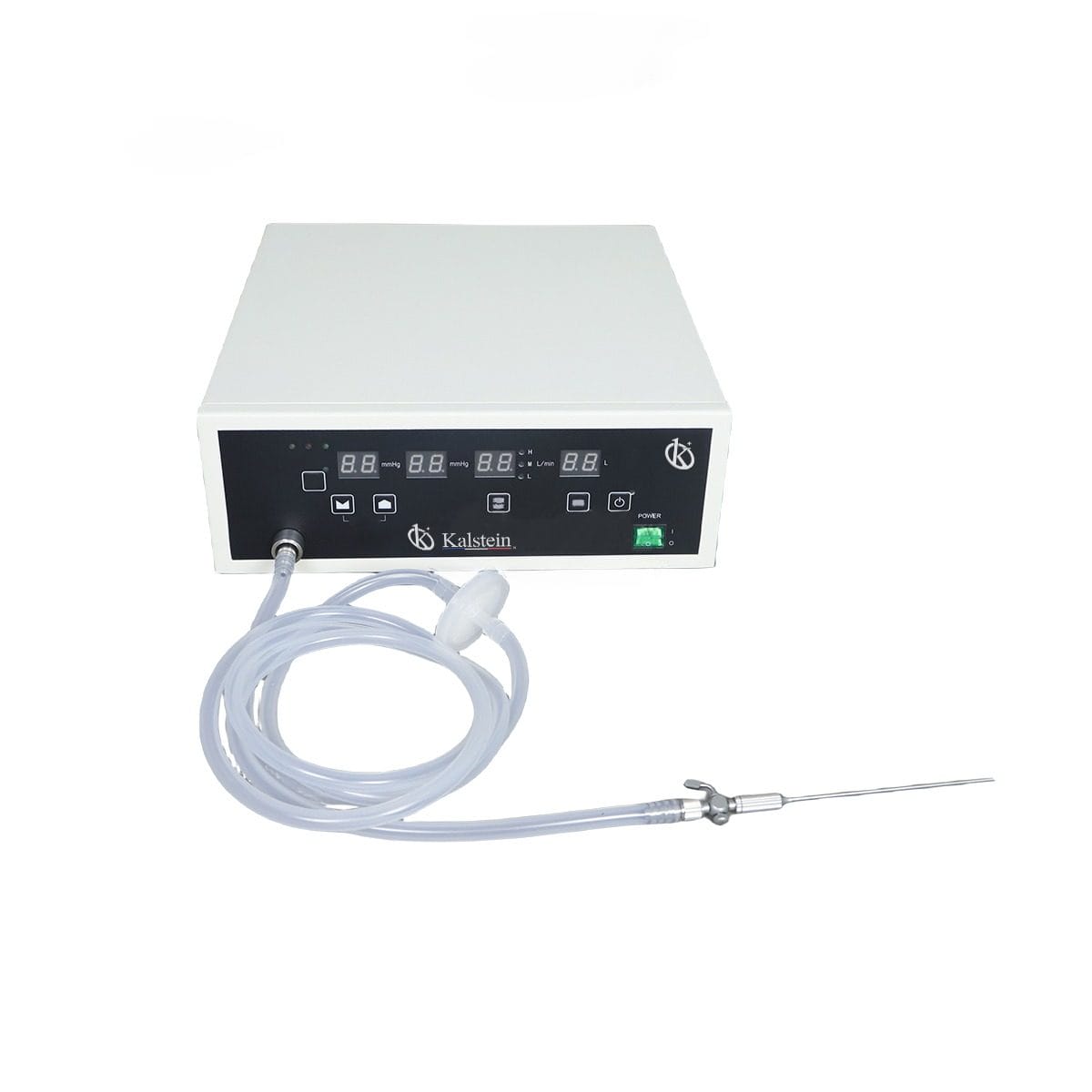
Insufflators are crucial for creating a working space in laparoscopic surgeries. The Veterinary CO2 Insufflator YR06157 and Veterinary CO2 Insufflator YR06158 each offer unique features aimed at optimizing energy use. YR06157 provides adjustable flow rates of 4L/min, 6L/min, and 10L/min, allowing for tailored energy consumption based on the surgical demands. In contrast, YR06158 boasts a higher range of flow rates from 2L/min to 40L/min, which can cater to a wider variety of surgical scenarios while still maintaining energy efficiency.
Evaluating the Impact of Imaging Systems
In addition to insufflators, imaging systems play a pivotal role in enhancing surgical outcomes. The Mobile High-Definition Endoscopic Imaging System, 26-inch YR06156 combines several functions into a compact unit, allowing for a reduced energy footprint. With features like a powerful 30W LED light source and high-resolution imaging, this model minimizes energy consumption while maximizing performance. The integration of such systems can lead to significant savings in both energy costs and environmental impact.
Comparison of Available Models
| Model | Energy Consumption (W) | Flow Rate (L/min) | Price (USD) | Best For |
|---|---|---|---|---|
| YR06157 | 40 | 4-10 | 1900.00 | Small animal surgeries |
| YR06156 | ≥30 | N/A | 7700.00 | Versatile imaging needs |
| YR06158 | 40 | 2-40 | 3000.00 | High-flow surgical scenarios |
Common Mistakes and How to Avoid Them
When integrating new veterinary laparoscopy systems, practitioners often overlook the importance of energy efficiency. A common mistake is selecting equipment based solely on performance without considering its environmental impact. To avoid this, veterinary professionals should assess not only the technical specifications but also the energy consumption metrics of each model. Choosing systems like the YR06157 and YR06158, which offer customizable flow rates, can significantly reduce energy expenditure.
Strategies for Reducing Environmental Footprint
Reducing the environmental footprint associated with veterinary surgeries involves several strategies. First, adopting systems with a lower energy consumption profile, such as the mobile imaging system YR06156, can contribute to sustainability efforts. Additionally, ensuring proper maintenance of equipment can enhance their efficiency and lifespan. Implementing a recycling program for surgical materials and using biodegradable disposables can further reduce waste, aligning with eco-friendly practices.
Frequently Asked Questions
How do I choose a veterinary laparoscopy system that reduces energy consumption?
To select a veterinary laparoscopy system with lower energy consumption, evaluate models like the YR06157 and YR06158 that provide adjustable flow rates. Such systems allow customization based on surgical needs, optimizing energy usage effectively.
What are the energy savings from using a Mobile High-Definition Endoscopic Imaging System?
The Mobile High-Definition Endoscopic Imaging System, YR06156, utilizes a 30W LED light source, leading to significant energy savings compared to traditional lighting. This contributes to both operational cost reduction and a lower environmental footprint.
Which veterinary laparoscopy system is best for environmental sustainability in 2026?
The Veterinary CO2 Insufflator YR06158 is an excellent choice for environmental sustainability due to its high range of customizable flow rates, allowing for efficient CO2 use in various surgical situations, thereby minimizing waste.
What features should I look for to enhance energy efficiency in laparoscopic systems?
When selecting laparoscopic systems, prioritize models like YR06157 and YR06158 that offer adjustable flow rates and integrated energy-efficient technologies, such as LED lighting, to enhance energy efficiency and sustainability.
How can I measure the environmental impact of my veterinary surgery?
Assessing the environmental impact involves calculating energy usage per surgical procedure, waste generation, and materials used. Adopting systems like YR06156 can help streamline these measurements through integrated data collection capabilities.
What are the benefits of investing in sustainable veterinary surgical equipment?
Investing in sustainable veterinary surgical equipment, such as YR06157 and YR06158, leads to reduced operational costs, compliance with environmental regulations, and an enhanced reputation among eco-conscious clients.
How does customizability in flow rates affect energy use in veterinary surgeries?
Customizable flow rates, as seen in models like YR06157 and YR06158, allow veterinarians to optimize gas usage based on the specific needs of each procedure, thus minimizing unnecessary energy consumption during surgeries.
What trends are shaping the future of sustainable veterinary laparoscopy systems?
Future trends in sustainable veterinary laparoscopy systems include increased use of energy-efficient components, enhanced user interfaces for monitoring energy consumption, and the integration of renewable energy sources to power surgical equipment.
To request a quote and learn more about our sustainable veterinary laparoscopy systems, please reach out to us today.
If you are looking for a fusion of innovation and quality, you have come to the right place. At Kalstein, we offer you the luxury of exploring our exclusive catalog of laboratory equipment. We manufacture every device to the highest standards of excellence. Our intuitive and seamless online purchasing channels are designed for your convenience, securing the most competitive prices. Hesitate no longer — we bring science to life, it is time to become part of our community.