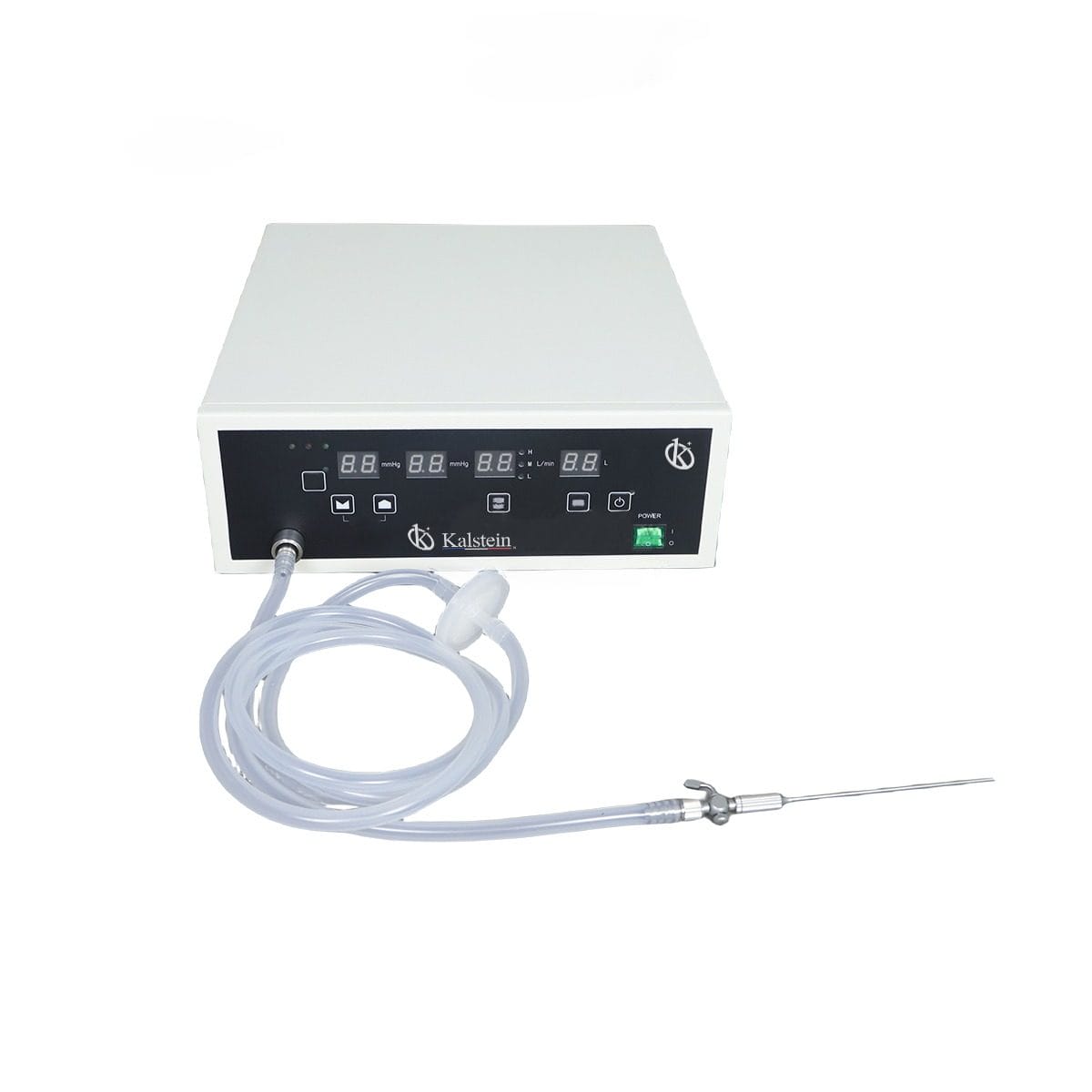
Veterinary Laparoscopy System: Applications in Research, Biotechnology, and Academia 2026
What is it used for in 2026
The Veterinary Laparoscopy System is increasingly utilized in veterinary practices, research laboratories, and academic institutions for minimally invasive surgeries. This technology offers numerous advantages, including reduced recovery times, less postoperative pain, and lower risk of complications. In 2026, it serves various applications such as diagnosing internal conditions, performing biopsies, and conducting surgical procedures on small animals. The ability to visualize internal structures with precision makes it indispensable for veterinarians and researchers alike.
History and evolution of the technology
The development of Veterinary Laparoscopy Systems has its roots in human medicine, where laparoscopy revolutionized surgical techniques in the late 20th century. Gradually, this technology was adapted for veterinary use, leading to enhanced surgical capabilities in smaller animals. Over the years, innovations such as improved imaging systems, CO2 insufflators, and high-definition cameras have significantly enhanced the efficacy and safety of laparoscopic procedures in veterinary medicine.
How to use it step by step
Using a Veterinary Laparoscopy System typically involves the following steps:
- Preparation: Ensure the patient is stable and positioned correctly. Gather all necessary equipment and instruments.
- Insufflation: Connect the CO2 insufflator to create a working space in the abdominal cavity.
- Visualization: Insert the high-definition camera through a small incision to visualize the internal structures.
- Procedure: Perform the required surgical intervention using specialized laparoscopic instruments.
- Closure: Remove the instruments, deflate the abdomen, and close the incision.
Best techniques and protocols
To achieve the best results when using a Veterinary Laparoscopy System, consider employing the following techniques and protocols:
- Utilize high-definition imaging systems for better visualization.
- Ensure proper calibration of the CO2 insufflator to maintain safe pressure levels.
- Adhere to aseptic techniques to prevent infections.
- Practice effective communication among the surgical team to enhance coordination during procedures.
Practical applications by laboratory type
Veterinary Laparoscopy Systems are versatile tools used across various laboratory types:
- Research Laboratories: Employed in studies involving surgical techniques, drug efficacy, and anatomical research.
- Biotechnology Labs: Used to investigate genetic modifications and evaluate the impacts on small animal models.
- Academic Institutions: Primarily for teaching purposes, providing students with hands-on experience in modern surgical techniques.
Regulations, standards and certifications
In 2026, it is crucial for Veterinary Laparoscopy Systems to comply with various regulations and standards to ensure safety and efficacy. Key certifications include:
- ISO 13485 for medical devices.
- CE marking, indicating compliance with European safety standards.
- FDA approval for devices used in the United States.
Comparison with alternative technologies
While Veterinary Laparoscopy Systems are highly effective, alternative technologies include traditional open surgery and imaging techniques such as ultrasound and MRI. Key differences include:
- Invasiveness: Laparoscopy is minimally invasive compared to traditional methods.
- Recovery Time: Patients typically recover faster with laparoscopic procedures.
- Cost: Initial costs for laparoscopic equipment may be higher, but the long-term benefits often offset these expenses.
Comparison of available models
| Model | Best for | Key specs | Recommended use case |
|---|---|---|---|
| YR06157 | Small animal laparoscopic procedures | Flow: 4L/min, 6L/min, 10L/min; Power: 40w; Pressure: 0.67kPa~3.30kPa | Ideal for surgeries requiring precise insufflation |
| YR06156 | High-definition imaging | LED light source; ≥700,000 Lux illumination; 1920*1080 resolution | Best for capturing high-quality images during procedures |
| YR06158 | Large flow insufflation | Flow: 2L/min-40L/min; Power: 40VA; Noise: ≤50dB | Suitable for complex surgeries requiring extensive CO2 flow |
Common mistakes and how to avoid them
Common mistakes when using Veterinary Laparoscopy Systems include:
- Improper insufflation leading to patient discomfort.
- Inadequate sterilization of instruments, risking infection.
- Poor communication among the surgical team, resulting in errors during procedures.
Maintenance, calibration and good practices 2026
Regular maintenance and calibration of Veterinary Laparoscopy Systems are critical for optimal performance. Key practices include:
- Routine inspections to ensure all components function correctly.
- Calibration of the CO2 insufflator before each use.
- Cleaning and sterilization of instruments after every procedure.
Cost-benefit analysis 2026
Investing in Veterinary Laparoscopy Systems offers considerable benefits, including:
- Reduced recovery times leading to shorter hospital stays.
- Lower incidence of complications compared to traditional surgery.
- Enhanced diagnostic capabilities through better visualization.
Frequently asked questions
What is the primary benefit of using a Veterinary Laparoscopy System?
The primary benefit is the ability to perform minimally invasive surgeries, which leads to shorter recovery times, reduced pain, and lower risk of complications for patients.
How do I choose the right model for my practice?
Consider factors such as the types of procedures you plan to perform, the size of the animals you will be treating, and your budget. Models with higher flow rates may be necessary for larger surgeries.
What are the common complications associated with laparoscopic surgery?
Common complications can include bleeding, infection, and injury to surrounding organs. Proper technique and equipment maintenance are critical to minimizing these risks.
How often should equipment be calibrated?
Calibration should be performed before each use to ensure accuracy and safety during procedures. Regular maintenance schedules should be established for optimal performance.
Can I use the laparoscopic system for all types of surgeries?
While laparoscopic systems are versatile, they may not be suitable for all procedures, particularly those requiring extensive intervention. Consult with experienced colleagues to determine the best approach for specific cases.
What training is required for using a Veterinary Laparoscopy System?
Comprehensive training should cover equipment use, surgical techniques, and safety protocols. Ongoing education is recommended to stay current with advancements in the field.
How can I request a quote for a Veterinary Laparoscopy System?
You can easily request a quote through our online platform or contact our sales team directly for assistance.
If you are looking for a fusion of innovation and quality, you have come to the right place. At Kalstein, we offer you the luxury of exploring our exclusive catalog of laboratory equipment. We manufacture every device to the highest standards of excellence. Our intuitive and seamless online purchasing channels are designed for your convenience, securing the most competitive prices. Hesitate no longer — we bring science to life, it is time to become part of our community.