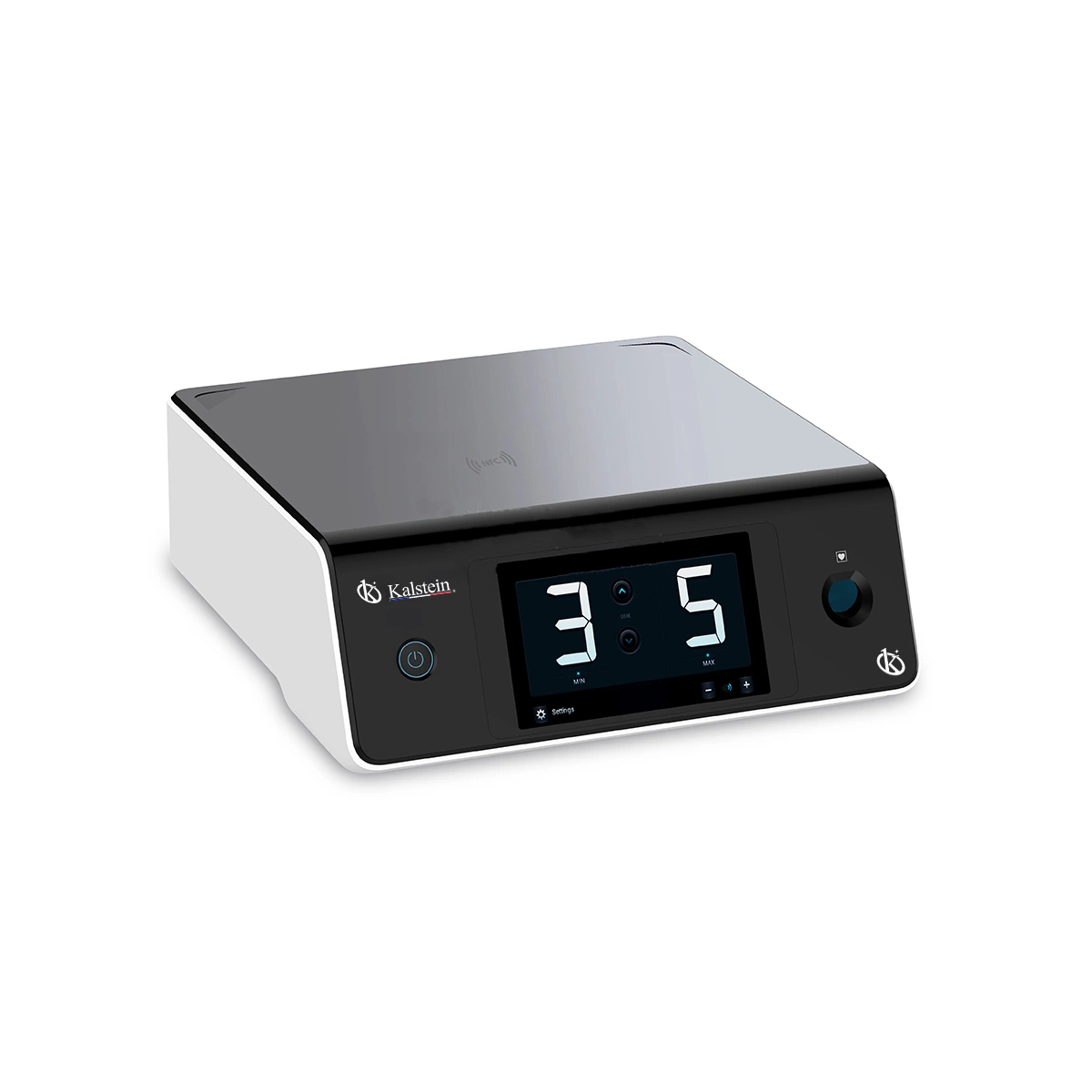
Veterinary Electrosurgical Units: Applications and Best Practices 2026
The modern veterinary landscape has seen transformative advancements in surgical equipment, particularly with the rise of Veterinary Electrosurgical Units (VEUs). These devices are invaluable in various veterinary procedures, offering precision and efficiency. In this guide, we will delve into the applications of these units in 2026, their historical evolution, step-by-step usage instructions, best techniques, practical applications across laboratory types, regulations, standards, and a comparative analysis of available models.
What is it used for in 2026
In 2026, Veterinary Electrosurgical Units are employed across a range of applications including tissue cutting, hemostasis, and coagulation during surgeries. They are particularly beneficial in procedures requiring precision, such as laparoscopic surgeries, soft tissue surgeries, and orthopedic interventions. The versatility of these units allows them to adapt to various surgical needs, enhancing the safety and efficiency of veterinary procedures.
History and evolution of the technology
Electrosurgical technology has evolved significantly since its inception in the early 20th century. Initially developed for human surgeries, the technology was adapted for veterinary use in the late 20th century. Over the decades, advancements have led to refined techniques, improved safety features, and multi-functionality, enabling a broader application in veterinary practices. Modern VEUs incorporate advanced control systems, making them safer and more efficient compared to their predecessors.
How to use it step by step
Using a Veterinary Electrosurgical Unit involves the following steps:
- Preparation: Gather all necessary equipment and ensure the surgical area is sterile.
- Setup: Connect the electrosurgical unit to a power source and ensure all cables are properly attached.
- Instrument Selection: Choose the appropriate electrosurgical instrument based on the procedure.
- Power Adjustment: Set the power levels according to the type of tissue being treated.
- Surgical Procedure: Use the unit as needed for cutting or coagulation, monitoring the site for effectiveness.
- Post-Operative Care: Evaluate the surgical site and provide necessary care to the patient.
Best techniques and protocols
To optimize the use of Veterinary Electrosurgical Units, practitioners should adhere to the following techniques and protocols:
- Utilize the minimal effective power setting to reduce thermal damage.
- Incorporate appropriate suction devices to manage smoke and debris during surgery.
- Regularly calibrate the equipment to ensure accuracy and reliability.
- Always follow manufacturer recommendations for instrument selection and usage.
Practical applications by laboratory type
Veterinary Electrosurgical Units find applications in various laboratory types, including:
- Clinical Veterinary Practices: Routine surgical procedures including spaying, neutering, and soft tissue surgery.
- Research Laboratories: Experimental procedures and studies requiring precise tissue manipulation.
- Academic Institutions: Training and education for veterinary students on surgical techniques.
Regulations, standards and certifications
Veterinary Electrosurgical Units must comply with various regulations and standards to ensure safety and efficacy. This includes adherence to local and international guidelines set forth by veterinary medical boards and electrical safety standards. Regular certification and safety checks are essential to maintain compliance and ensure the equipment operates within safe parameters.
Comparison with alternative technologies
Compared to alternative technologies such as traditional scalpels and laser systems, Veterinary Electrosurgical Units offer distinct advantages, including:
- Reduced bleeding due to simultaneous cutting and coagulation.
- Shorter surgical times which can lead to quicker recovery for patients.
- Versatile applications across different types of surgical procedures.
Comparison of available models
| Model | Best for | Key specs | Recommended use case |
|---|---|---|---|
| YR06129 | Precision cutting and coagulation of small vessels | Current: 180 mA - 380 mA, Voltage: 190-240V, Frequency: 55.5KHz | Soft tissue surgeries |
| YR06130 | General surgeries with hemostasis | Power: 35W max, Frequency: 55.5KHz | Gastrointestinal and gynecological surgeries |
| YR06131 | Laparoscopic and open procedures with vessel sealing | Power: 300W max, Automatic operation | Complex surgeries needing consistent sealing |
| YR06132 | Versatile cutting and coagulation | Power: 300W, Different modes for various applications | General soft tissue work |
| YR06133 | Portable laser surgeries | Power: 15W, Dual wavelength | Minor surgeries and precision work |
| YR06134 | Combined functionalities in laser surgeries | Power: 15W each wavelength, Dual mode operation | Flexible applications requiring dual functionality |
Common mistakes and how to avoid them
Common mistakes in using Veterinary Electrosurgical Units include:
- Using excessive power settings leading to thermal injury.
- Neglecting proper sterilization of instruments.
- Improper placement of grounding pads, risking patient safety.
To avoid these, practitioners should receive thorough training and adhere to best practices in equipment handling and patient safety.
Maintenance, calibration and good practices 2026
Regular maintenance and calibration of Veterinary Electrosurgical Units are critical for optimal performance. Key practices include:
- Routine checks for wear and tear of cables and instruments.
- Calibration as per manufacturer recommendations at scheduled intervals.
- Cleaning and sterilizing equipment after each use to prevent contamination.
Cost-benefit analysis 2026
Investing in a Veterinary Electrosurgical Unit can provide significant cost savings over time. The benefits include:
- Reduced surgical time leads to more procedures being completed in a day.
- Lower postoperative complications due to improved precision and hemostasis.
- Long-term reliability and reduced need for replacements.
Overall, the initial investment is often outweighed by the benefits provided across surgical practices.
Frequently asked questions
What is the best way to select the right Veterinary Electrosurgical Unit for my practice?
Consider the types of procedures you perform most frequently and select a unit that offers the required functionalities and power settings tailored to those needs.
How do I ensure the safety of my patients during electrosurgery?
Always adhere to manufacturer guidelines, ensure proper grounding techniques, and utilize appropriate power settings for the specific tissue type.
Can I use these units for all types of surgical procedures?
While Veterinary Electrosurgical Units are versatile, it is essential to understand their limitations and select the appropriate model based on the specific requirements of each procedure.
What maintenance is required for these units?
Regular maintenance includes checking cables for damage, cleaning instruments, and calibrating the unit according to the manufacturer's instructions.
Are there any training resources available for using these units?
Many manufacturers offer training programs, manuals, and online resources that provide guidance on proper usage and best practices.
How often should I calibrate my Veterinary Electrosurgical Unit?
Calibration should be performed regularly, typically on a biannual basis or as dictated by usage frequency and manufacturer recommendations.
Where can I get a quote for purchasing a Veterinary Electrosurgical Unit?
Please request a quote on Kalstein Plus to explore our extensive range of Veterinary Electrosurgical Units tailored for your needs.
If you are looking for a fusion of innovation and quality, you have come to the right place. At Kalstein, we offer you the luxury of exploring our exclusive catalog of laboratory equipment. We manufacture every device to the highest standards of excellence. Our intuitive and seamless online purchasing channels are designed for your convenience, securing the most competitive prices. Hesitate no longer — we bring science to life, it is time to become part of our community.