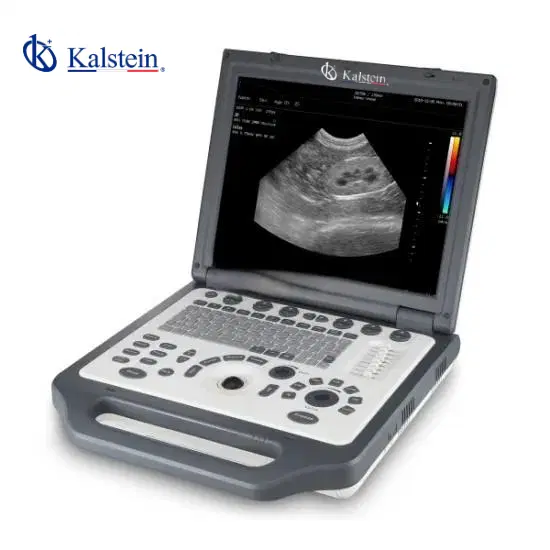
Veterinary Color Doppler: Practical Applications and Techniques 2026
The field of veterinary medicine has seen remarkable advancements in diagnostic imaging technologies, with Veterinary Color Doppler systems leading the way. These systems provide invaluable insights into animal health, enabling veterinarians to perform accurate diagnoses and treatment plans. In this article, we will explore the various applications, historical context, step-by-step usage guidelines, best practices, and regulatory standards associated with Veterinary Color Doppler technology in 2026.
What is it used for in 2026
Veterinary Color Doppler imaging is primarily used for assessing blood flow and cardiovascular conditions in animals. This technology allows practitioners to visualize blood flow dynamics, identify abnormalities in the circulatory system, and diagnose conditions such as heart disease, vascular anomalies, and organ perfusion issues. In 2026, its applications extend to:
- Cardiology: Evaluating heart conditions and function.
- Oncology: Assessing tumors and their vascular supply.
- Reproductive Health: Monitoring blood flow in reproductive organs.
- Surgery: Guiding surgical interventions through real-time imaging.
History and evolution of the technology
The Veterinary Color Doppler technology has evolved significantly since its inception. Early ultrasound systems provided basic imaging capabilities but lacked the precision required for detailed cardiovascular assessments. Over the years, advancements in digital imaging, processing power, and sensor technology have led to the development of sophisticated systems capable of providing high-resolution images and accurate blood flow measurements. The incorporation of color flow imaging in the 1990s marked a turning point, enabling veterinarians to visualize blood flow direction and speed. Today’s systems are equipped with features such as harmonic imaging, real-time processing, and advanced measurement software.
How to use it step by step
Using a Veterinary Color Doppler system effectively requires a systematic approach. Here are the step-by-step guidelines:
- Preparation: Ensure the animal is calm and positioned correctly. Clip any fur obstructing the imaging area.
- Equipment Setup: Turn on the Veterinary Color Doppler system and select the appropriate transducer based on the examination area.
- Calibration: Calibrate the system settings, including gain, depth, and frequency, to optimize imaging quality.
- Image Acquisition: Place the transducer on the animal’s skin and begin scanning. Adjust the angle and pressure to obtain clear images.
- Observation: Monitor live feed for blood flow patterns, using color indicators to differentiate between arterial and venous flow.
- Data Analysis: Utilize built-in software to analyze the collected data and generate necessary measurements.
- Reporting: Document findings and prepare a diagnostic report based on the observations.
Best techniques and protocols
Adhering to best practices and protocols is vital for successful imaging with Veterinary Color Doppler systems. Here are some recommended techniques:
- Utilize appropriate transducer frequencies for different species and body types.
- Employ harmonics to enhance image quality, especially in larger animals.
- Optimize gains and scales to prevent saturation or loss of critical details.
- Implement color gain adjustments to enhance visualization of blood flow.
- Practice systematic scanning to cover all relevant anatomical areas.
Practical applications by laboratory type
Veterinary Color Doppler systems find use across various laboratory settings. Here are some practical applications:
- Private Veterinary Clinics: Routine cardiovascular assessments and pre-surgical evaluations.
- Emergency Animal Hospitals: Rapid diagnosis of trauma and acute cardiovascular conditions.
- Research Laboratories: Studies on animal physiology and pathophysiology related to cardiovascular health.
- Universities: Educational purposes for veterinary students to learn diagnostic techniques.
Regulations, standards and certifications
The application of Veterinary Color Doppler systems is subject to various regulations and standards to ensure safety and efficacy. In 2026, key considerations include:
- Compliance with local and international veterinary regulations.
- Adherence to standards set by organizations such as the American Veterinary Medical Association (AVMA).
- Certification of equipment by recognized bodies to ensure reliability and quality.
- Regular training of personnel in using and maintaining diagnostic equipment.
Comparison with alternative technologies
While Veterinary Color Doppler technology is a powerful diagnostic tool, it is essential to consider its comparison with alternative imaging technologies:
- X-ray: Useful for visualizing bone structures but limited in soft tissue and blood flow assessments.
- CT Scans: Provides detailed cross-sectional images but involves higher costs and radiation exposure.
- MRI: Excellent for soft tissue imaging; however, it is less accessible and more time-consuming.
- Traditional Ultrasound: Offers basic imaging capabilities without the advanced blood flow analysis provided by Doppler technology.
Comparison of available models
| Model | Best for | Key specs | Recommended use case |
|---|---|---|---|
| YR06139 | Portable diagnostics in various environments | Price: $7700.00 | On-site evaluations and emergency response |
| YR06140 | Comprehensive diagnostics with advanced imaging features | Price: $5300.00 | Clinical assessments requiring detailed analysis |
| YR06141 | High-demand veterinary practices requiring mobility | Price: $14500.00 | Veterinary cardiology and surgical applications |
Common mistakes and how to avoid them
Despite its advantages, there are common pitfalls associated with the use of Veterinary Color Doppler systems:
- Inadequate Preparation: Failing to prepare the animal properly can lead to poor image quality. Always ensure proper positioning and grooming.
- Incorrect Settings: Using default settings without adjustments can result in suboptimal imaging. Always customize settings for each examination.
- Lack of Protocol Adherence: Skipping steps in the imaging protocol can lead to incomplete assessments. Follow the step-by-step guidelines diligently.
- Ignoring Data Analysis: Overlooking the software capabilities for data analysis can result in missed diagnostic opportunities. Utilize all available tools for comprehensive evaluations.
Maintenance, calibration and good practices 2026
To ensure the longevity and accuracy of Veterinary Color Doppler systems, regular maintenance and calibration are essential:
- Perform routine cleaning of transducers and equipment surfaces.
- Conduct calibration checks regularly to maintain accurate imaging capabilities.
- Keep software updated to benefit from the latest features and improvements.
- Train staff on the latest best practices and troubleshooting techniques.
Cost-benefit analysis 2026
Investing in a Veterinary Color Doppler system requires careful consideration of costs versus benefits:
- Initial Investment: Costs can range from $5,300 to $14,500 depending on the model and features.
- Return on Investment: Enhanced diagnostic capabilities can lead to improved client satisfaction and increased practice revenue.
- Operational Efficiency: Saves time in diagnostics, allowing for quicker treatment decisions and improved patient outcomes.
- Market Demand: As veterinary care continues to advance, the demand for high-quality imaging technology is expected to rise.
Frequently asked questions
What are the best practices for using Veterinary Color Doppler?
Best practices include proper preparation of the animal, calibrating the device for accurate imaging, using appropriate transducers, and following systematic scanning protocols to ensure all relevant areas are assessed thoroughly.
How can I choose the right Veterinary Color Doppler model for my practice?
Consider factors such as your budget, the specific diagnostic needs of your practice, and the types of animals you commonly treat. Evaluate the key features of each model to determine which best fits your operational requirements.
What maintenance is required for Veterinary Color Doppler systems?
Regular maintenance involves cleaning the transducers and surfaces, conducting routine calibration checks, updating software, and ensuring that all components are functioning properly to guarantee accurate diagnostics.
Can Veterinary Color Doppler systems be used for emergency applications?
Yes, Veterinary Color Doppler systems are excellent for emergency applications, providing rapid assessment of cardiovascular issues and allowing for immediate treatment decisions in critical situations.
How does Veterinary Color Doppler technology compare with traditional ultrasound?
Veterinary Color Doppler technology provides more detailed information about blood flow dynamics compared to traditional ultrasound, which primarily offers structural imaging without blood flow analysis capabilities.
What should I consider when implementing a new Veterinary Color Doppler system?
Assess your clinic’s specific needs, the training required for staff, the expected return on investment, and the potential impact on patient care and operational efficiency.
If you are looking for a fusion of innovation and quality, you have come to the right place. At Kalstein, we offer you the luxury of exploring our exclusive catalog of laboratory equipment. We manufacture every device to the highest standards of excellence. Our intuitive and seamless online purchasing channels are designed for your convenience, securing the most competitive prices. Hesitate no longer — we bring science to life, it is time to become part of our community.