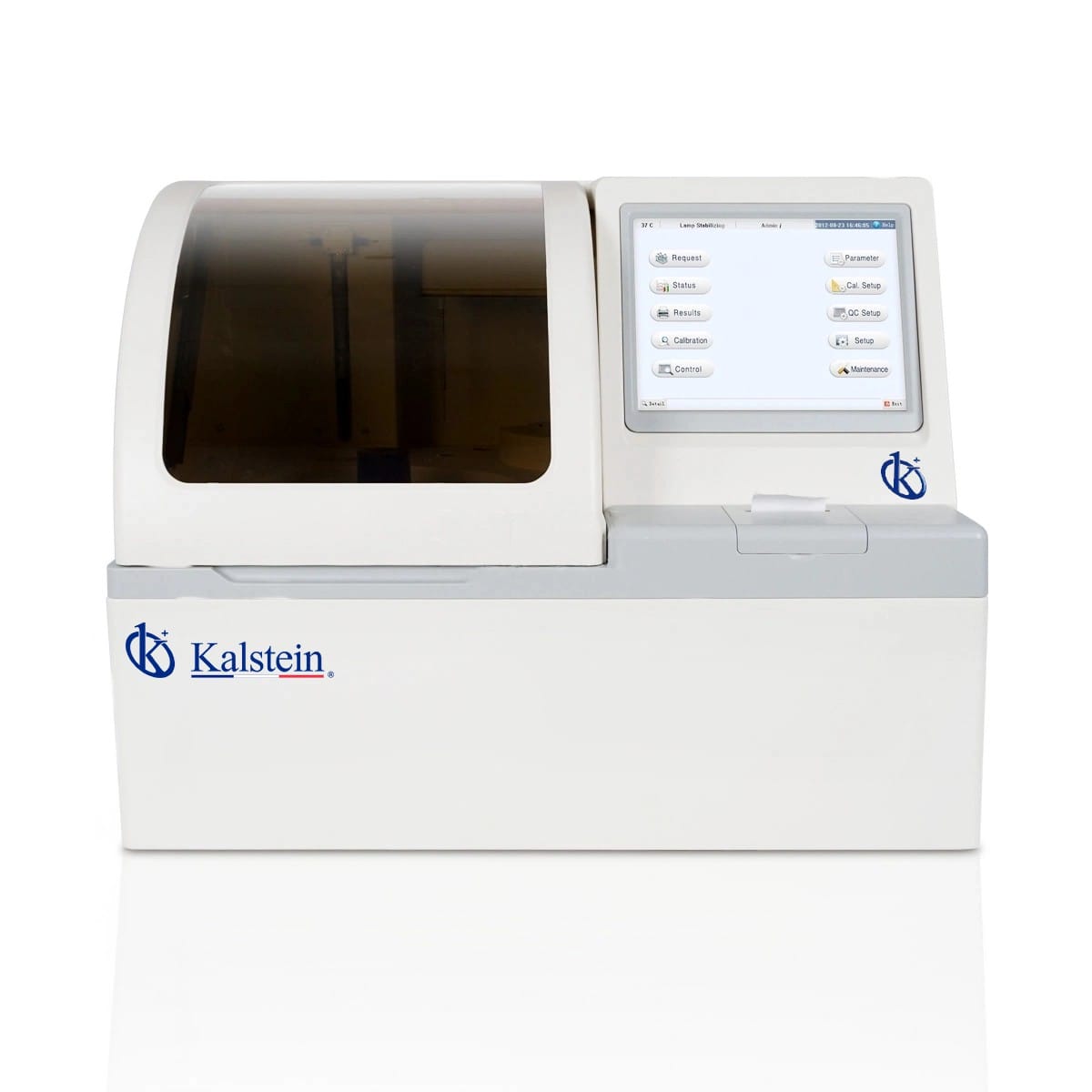
Veterinary Chemistry Analyzers: Practical Applications and Techniques 2026
As the veterinary field continues to advance, the use of veterinary chemistry analyzers has become essential for diagnosing various health conditions in animals. These analyzers provide quick and reliable results that aid veterinarians in making informed decisions regarding treatment plans. This article explores the practical applications, techniques, and best practices associated with veterinary chemistry analyzers in 2026.
What is it used for in 2026
Veterinary chemistry analyzers are employed to perform a wide range of biochemical tests on animal samples, including blood, serum, and plasma. They are crucial in assessing organ function, electrolyte balance, and metabolic disorders.
In 2026, these devices are used in various veterinary practices, such as:
- Routine health check-ups for pets and livestock.
- Emergency care for acute medical conditions.
- Pre-anesthetic evaluations to assess underlying health issues.
- Monitoring chronic diseases such as diabetes and kidney disease.
History and evolution of the technology
The veterinary chemistry analyzer has evolved significantly since its inception. Initially, manual tests constrained the speed and accuracy of diagnostics. Early models required extensive training to operate and often took a long time to yield results.
With technological advancements, modern analyzers have incorporated automation and software-driven solutions. The introduction of portable devices has allowed veterinary professionals to perform tests in various settings, from clinics to fieldwork. The capabilities of these analyzers have expanded, enabling a broader array of tests, faster turnaround times, and improved diagnostic accuracy.
How to use it step by step
Using veterinary chemistry analyzers efficiently requires following specific steps:
- Preparation: Ensure that the analyzer is clean and calibrated. Gather all necessary supplies, including samples and reagents.
- Sample Collection: Collect blood, serum, or plasma samples following standard protocols to avoid contamination.
- Loading Samples: Place the samples in the designated areas of the analyzer, ensuring correct positioning and volume.
- Running Tests: Select the desired tests through the analyzer’s software interface and initiate the testing process. Monitor for alerts or messages displayed on the screen.
- Result Interpretation: Once the test is complete, retrieve results. Compare them with reference ranges to determine normalcy or abnormalities.
- Documentation: Record the results in the patient’s file and consider any follow-up actions based on findings.
Best techniques and protocols
To ensure accuracy and reliability in results, follow these best techniques:
- Use fresh samples whenever possible to avoid deterioration.
- Adhere to the manufacturer’s instructions for reagent handling and sample preparation.
- Run quality control tests regularly to validate equipment performance.
- Keep the maintenance schedule up to date to ensure optimal functioning.
- Utilize appropriate sample volumes as specified by the analyzer’s guidelines.
Practical applications by laboratory type
Veterinary chemistry analyzers find applications in various laboratory settings:
- Small Animal Clinics: Used for routine blood tests, liver and kidney function tests, and electrolyte analysis.
- Large Animal Practices: Essential for monitoring metabolic disorders and conducting pre-purchase examinations.
- Research Laboratories: Employed in studies assessing the effects of drugs and treatments on various animal species.
- Emergency Veterinary Hospitals: Critical for rapid testing during emergencies to guide immediate treatment decisions.
Regulations, standards and certifications
Veterinary chemistry analyzers are subject to several regulations and standards to ensure safety and effectiveness:
- Compliance with ISO standards for laboratory equipment.
- Certification from relevant health authorities to ensure devices meet safety and efficacy guidelines.
- Adherence to local and national regulations regarding veterinary diagnostics.
Comparison with alternative technologies
While veterinary chemistry analyzers are widely used, alternative technologies exist:
- Manual Testing: More labor-intensive and time-consuming but may be used in low-resource settings.
- Point-of-Care Testing Devices: Provide rapid results but may have limited test capabilities compared to full analyzers.
- Laboratory-Based Analyzers: Offer extensive testing and reliability but require dedicated space and resources.
Comparison of available models
| Model | Best for | Key specs | Recommended use case |
|---|---|---|---|
| YR06168 | Routine and specialized testing | Performance up to 100 tests/hour, micro-volume samples | High-throughput veterinary clinics |
| YR06169 | Portable testing solutions | 8.4-inch touchscreen, results in 10 minutes | Fieldwork and emergency situations |
| YR06172 | Immunofluorescence testing | 7-inch touchscreen, stores 10,000 images | Diagnostics in small animal medicine |
| YR06174 | Blood gas and electrolyte analysis | All-in-one design, multi-parameter testing | Critical care veterinary settings |
| YR06077 | Comprehensive chemical testing | Bichromatic optical system, supports 34 fixed tests | Veterinary laboratories with diverse needs |
Common mistakes and how to avoid them
Here are common mistakes associated with the use of veterinary chemistry analyzers:
- Incorrect Sample Handling: Always use appropriate anticoagulants and follow storage protocols.
- Neglecting Calibration: Ensure regular calibration to maintain accuracy of results.
- Ignoring Quality Control: Regularly run control tests to ensure the reliability of results.
Maintenance, calibration and good practices 2026
Proper maintenance and calibration are essential for the longevity and reliability of veterinary chemistry analyzers:
- Schedule routine cleaning and maintenance as per manufacturer guidelines.
- Perform calibration checks regularly and document results.
- Train personnel on proper usage techniques and troubleshooting methods.
Cost-benefit analysis 2026
Investing in veterinary chemistry analyzers offers a range of benefits:
- Improved diagnostic accuracy leads to better treatment outcomes.
- Time efficiency reduces wait times for pet owners and veterinarians.
- Enhanced revenue generation through the provision of diverse testing services.
Frequently asked questions
What are the key factors to consider when choosing a veterinary chemistry analyzer?
When choosing a veterinary chemistry analyzer, consider laboratory size, types of tests needed, required turnaround times, and available budget to ensure the right fit for your practice.
How often should I calibrate my veterinary chemistry analyzer?
Calibration frequency depends on the manufacturer's recommendations, but generally, it should be done at least once a month or before running critical tests.
Can I perform tests on different animal species with the same analyzer?
Many veterinary chemistry analyzers are designed to handle multiple species, but check the model specifications to ensure compatibility with the intended animal types.
What is the typical turnaround time for results?
Turnaround times vary by model, but many analyzers can provide results within 10 to 15 minutes, making them suitable for urgent cases.
What maintenance tasks should I perform regularly?
Regular maintenance tasks include cleaning the analyzer, checking for software updates, and ensuring that calibration is performed as required.
How can I ensure the accuracy of test results?
To ensure accuracy, adhere to sample handling protocols, conduct regular quality control tests, and maintain equipment as recommended by the manufacturer.
Where can I find reliable veterinary chemistry analyzers?
For reliable options, request a quote on Kalstein Plus, where you can explore various models tailored to your specific needs.
If you are looking for a fusion of innovation and quality, you have come to the right place. At Kalstein, we offer you the luxury of exploring our exclusive catalog of laboratory equipment. We manufacture every device to the highest standards of excellence. Our intuitive and seamless online purchasing channels are designed for your convenience, securing the most competitive prices. Hesitate no longer — we bring science to life, it is time to become part of our community.