Vertical Laminar Flow Clean Benches: Practical Applications and Techniques 2026
What is it used for in 2026
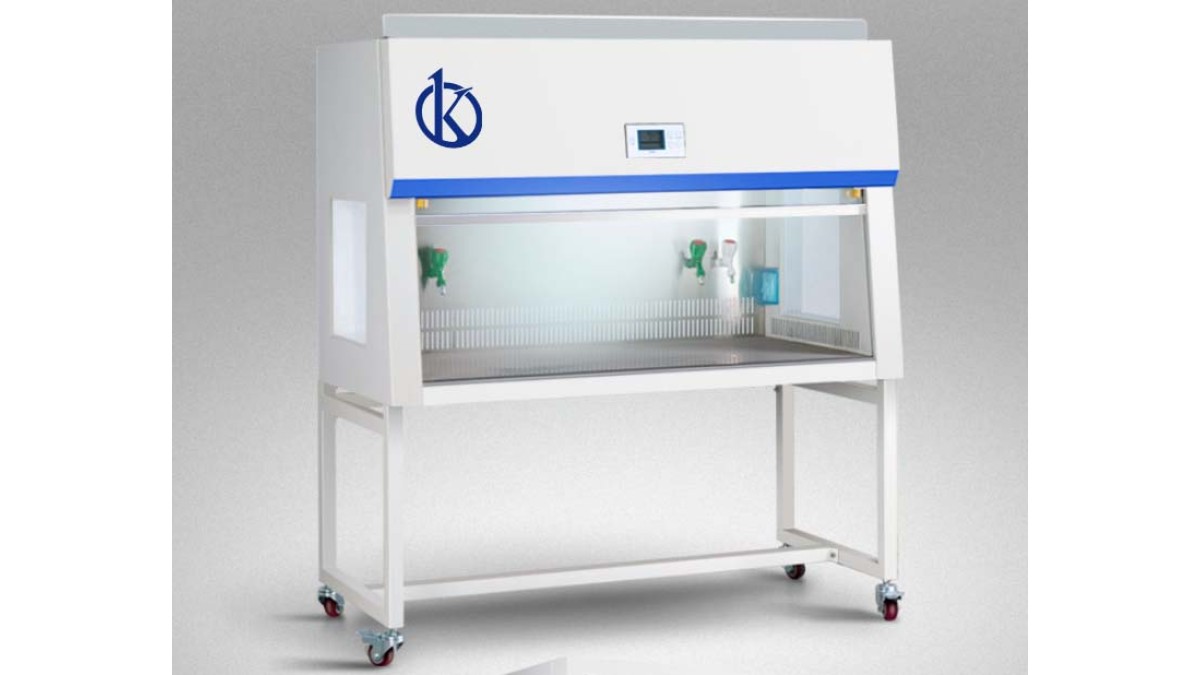
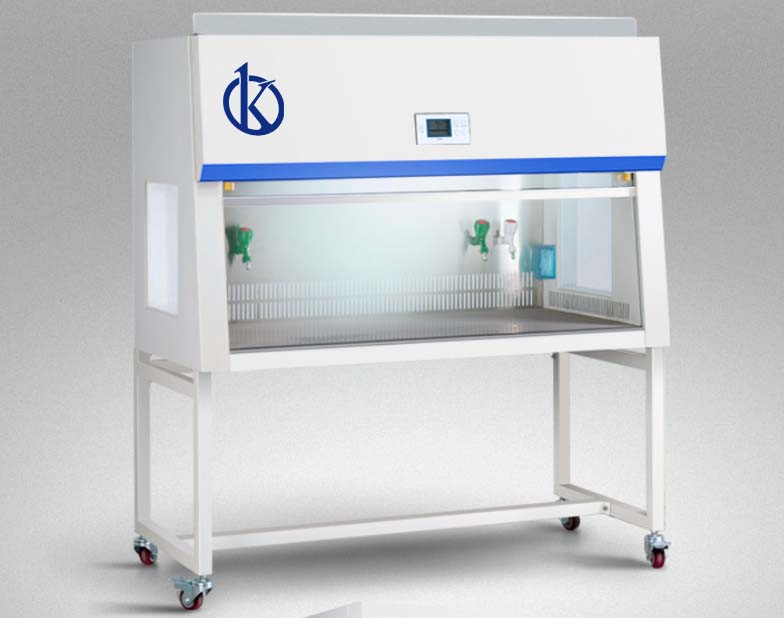
In 2026, Vertical Laminar Flow Clean Benches are essential for creating controlled environments in laboratories. They are primarily used to protect sensitive biological samples, pharmaceutical products, and electronic components from contamination. By maintaining a sterile atmosphere, these clean benches are crucial in fields like biotechnology, healthcare, and materials science.
History and evolution of the technology
The concept of laminar flow technology dates back several decades, evolving from the need for sterile environments in medical and research settings. Initially, simple boxes were used to direct airflow; however, advancements in filtration technology and airflow design led to the creation of more sophisticated models. In recent years, Vertical Laminar Flow Clean Benches have integrated features like LCD displays and enhanced filtration systems, improving usability and effectiveness.
How to use it step by step
- Prepare the workspace: Ensure the clean bench is in a designated clean area, free from dust and contaminants.
- Turn on the clean bench: Switch on the device and allow it to run for a few minutes to stabilize airflow.
- Set up your materials: Gather all necessary tools and materials, placing them within the clean zone.
- Perform work: Conduct experiments or procedures while minimizing movement to maintain airflow stability.
- Turn off and clean: Once finished, turn off the bench, and clean the surfaces with appropriate disinfectants.
Best techniques and protocols
Utilizing Vertical Laminar Flow Clean Benches effectively requires adherence to specific techniques and protocols. Here are some best practices:
- Limit airflow disruption by minimizing movement in and out of the clean zone.
- Implement a regular cleaning schedule to maintain hygiene.
- Use sterile tools and materials to prevent introducing contaminants.
- Ensure proper training for all personnel using the clean bench.
Practical applications by laboratory type
Vertical Laminar Flow Clean Benches are utilized in various laboratory settings:
- Biotechnology Labs: Essential for cell culture and genetic work.
- Pharmaceutical Labs: Protecting drug formulations from contamination.
- Research Labs: Ensuring clean environments for sensitive experiments.
Regulations, standards and certifications
In 2026, compliance with standards such as ISO 14644 for cleanroom environments and guidelines set by the FDA for pharmaceutical manufacturing is crucial. Regular testing and certification ensure that Vertical Laminar Flow Clean Benches meet safety and performance criteria.
Comparison with alternative technologies
While Vertical Laminar Flow Clean Benches are widely used, other technologies like Biological Safety Cabinets (BSC) and fume hoods serve different purposes. BSCs provide protection for both the user and the sample, whereas fume hoods are focused on user safety from chemical fumes. Each technology has unique features that cater to specific laboratory needs.
Comparison of available models
| Model | Best for | Key specs | Recommended use case |
|---|---|---|---|
| YR05267-1 | Biotechnology and pharmaceutical protection | ISO 14644.1 Class 5, 400W, 210kg | Large-scale experiments involving multiple operators |
| YR05734 | Aseptic procedures in small labs | Class 100, 240W, 62dB | Small-scale, localized clean operations |
| YR05735 | Aseptic procedures in small labs | Class 100, 300W, 62dB | Local clean operations with compact design |
| YR05736 | General laboratory use | Class 100, 420W, 62dB | Versatile use in various laboratory settings |
| YR05737 | General laboratory use | Class 100, 650W, 62dB | Heavy-duty operations with larger workspace |
| YR05738 | Medical and chemical treatments | Class 100, 590W, 62dB | Broad applications in healthcare and research |
Common mistakes and how to avoid them
To maximize the efficiency of Vertical Laminar Flow Clean Benches, avoid these common mistakes:
- Opening the doors too frequently — this can disrupt airflow.
- Neglecting regular maintenance — leads to decreased performance.
- Using non-sterile tools — increases contamination risk.
Maintenance, calibration and good practices 2026
In 2026, routine maintenance is vital for performance. Regularly inspect filters, clean surfaces, and calibrate airflow systems to maintain optimal functionality. Following the manufacturer's guidelines ensures longevity and reliability.
Cost-benefit analysis 2026
Investing in Vertical Laminar Flow Clean Benches offers significant returns in terms of safety and contamination prevention. Although initial costs may be high, the benefits in protecting sensitive materials and improving lab efficiency far outweigh these expenses.
Frequently asked questions
What are the essential features to look for in a clean bench?
When selecting a clean bench, consider factors like airflow design, filtration efficiency, workspace size, and ease of maintenance. These features will determine the effectiveness and usability of the equipment.
How often should I perform maintenance on a clean bench?
Maintenance should be conducted regularly, typically every 6 months, or as recommended by the manufacturer. This includes replacing filters and cleaning surfaces to ensure optimal performance.
Can I use a clean bench for all types of laboratory work?
While clean benches are versatile, they are primarily designed for aseptic procedures. For operations involving hazardous materials or chemical fumes, other technologies like fume hoods or Biological Safety Cabinets are more appropriate.
How can I ensure that the clean bench is operating efficiently?
Regularly check airflow, maintain cleanliness, and ensure filters are replaced as needed. Monitoring these factors will help to ensure efficient operation.
Are Vertical Laminar Flow Clean Benches cost-effective?
Yes, while the initial investment may be significant, the protection they offer for sensitive samples will save costs associated with contamination and experimental failure in the long term.
What is the difference between vertical and horizontal laminar flow clean benches?
Vertical laminar flow clean benches direct air from the top downward, while horizontal models blow air from the back towards the front. Each has its advantages depending on the specific application and workflow.
How can I request a quote for a clean bench?
To request a quote, you can reach out to our sales team, who will assist you in choosing the right clean bench for your needs.
If you are looking for a fusion of innovation and quality, you have come to the right place. At Kalstein, we offer you the luxury of exploring our exclusive catalog of laboratory equipment. We manufacture every device to the highest standards of excellence. Our intuitive and seamless online purchasing channels are designed for your convenience, securing the most competitive prices. Hesitate no longer — we bring science to life, it is time to become part of our community.