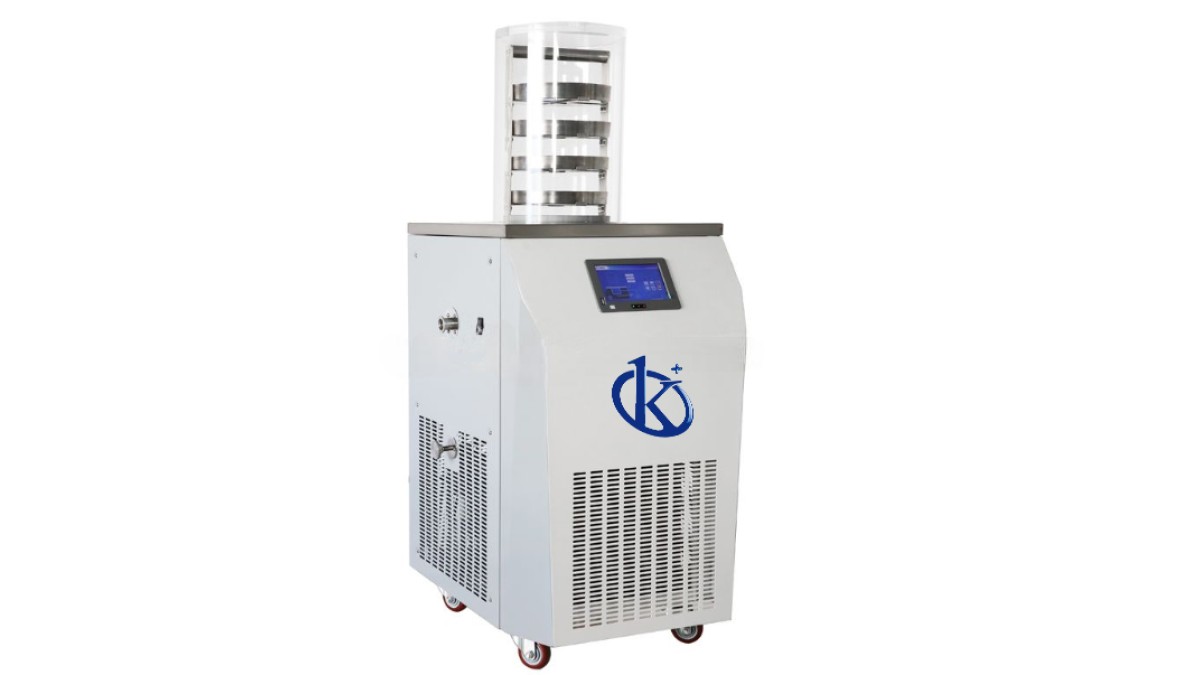
Vertical Laboratory Freeze Dryers: Common Mistakes and How to Avoid Them in Daily Operation 2026
What is it used for in 2026
In 2026, vertical laboratory freeze dryers are utilized across various scientific fields, including pharmaceuticals, biological research, chemistry, and food processing. These devices are essential for lyophilization, which is a process that removes moisture from materials while preserving their structure and chemical properties. This technique is particularly valuable for long-term storage, ensuring that the materials can be easily restored to their original state after rehydration. The ability to maintain biochemical characteristics makes them indispensable in laboratories.
History and evolution of the technology
The concept of freeze-drying dates back to the early 20th century, with its commercial application beginning in the 1940s. Initially used for preserving blood plasma and other biological samples, the technology has evolved significantly. Advances in vacuum technology and heat transfer methods have led to the development of more efficient and user-friendly vertical freeze dryers. Today, these devices incorporate advanced features, such as automated temperature control and data logging, making them essential tools in modern laboratories.
How to use it step by step
Using a vertical laboratory freeze dryer involves several steps:
- Preparation: Ensure all materials are clean and properly prepared for lyophilization. This includes placing samples in appropriate containers.
- Loading: Arrange the samples within the dryer, ensuring sufficient space for air circulation.
- Setting Parameters: Input the desired temperature and pressure settings based on the material being dried.
- Starting the Process: Initiate the freeze-drying cycle, monitoring the process through the control panel.
- Completion: Once the cycle is complete, remove the dried samples and store them accordingly.
Best techniques and protocols
To achieve optimal results in lyophilization, several techniques and protocols should be followed:
- Pre-freezing samples before placing them in the dryer can enhance efficiency.
- Understanding the specific thermal properties of the materials being dried will help in setting the right parameters.
- Regular calibration of the freeze dryer is essential for maintaining accuracy.
- Documentation of each batch process helps in continuous improvement and reproducibility.
Practical applications by laboratory type
Different laboratories utilize vertical freeze dryers for various applications:
- Pharmaceuticals: Used for drying vaccines and biologics.
- Food Science: Ideal for preserving fruits and vegetables, maintaining flavor and nutrients.
- Biotechnology: Essential for stabilizing proteins and enzymes.
- Chemistry: Useful for the preservation of sensitive chemical compounds.
Regulations, standards and certifications
Operating vertical freeze dryers in laboratory settings requires adherence to several regulations and standards, including:
- ISO 9001: Quality management systems.
- FDA guidelines for medical and pharmaceutical applications.
- Local environmental regulations concerning waste management.
Comparison with alternative technologies
While vertical freeze dryers are efficient, alternative technologies exist, such as:
- Spray Drying: Suitable for larger volumes but may alter product properties.
- Vacuum Drying: Effective but can be slower than freeze-drying.
- Conventional Oven Drying: Simple but may lead to loss of active compounds.
Comparison of available models
| Model | Best for | Key specs | Recommended use case |
|---|---|---|---|
| YR05198 | General laboratory use | 0.18m²/0.27m² area, -40 ~ +60°C storage temp, 6 kg/24h water capture | Routine lyophilization tasks |
| YR05199 | Higher capacity applications | 0.09m² area, 6 kg/24h water capture | Laboratories with moderate demands |
| YR05200 | General laboratory use | 0.18m²/0.27m² area, -40 ~ +60°C storage temp | Routine samples requiring freeze-drying |
| YR05201 | Advanced research | 0.09m² area, 6 kg/24h water capture | Research settings necessitating precision |
| YR05985-1 | Fruits and vegetables | 0.7m² area, -55°C ~ +70°C shelf temp | Food preservation and product development |
| YR05985-2 | Larger batches of fruits and vegetables | 1.04m² area, >10 kg/24h water capture | High-volume food processing |
Common mistakes and how to avoid them
Laboratory professionals often face challenges when using vertical freeze dryers. Common mistakes and their solutions include:
- Inadequate Pre-freezing: Ensure proper pre-freezing of samples to enhance drying efficiency.
- Incorrect Parameter Settings: Always refer to material-specific guidelines for optimal settings.
- Neglecting Regular Maintenance: Schedule consistent maintenance to prevent equipment failure.
- Poor Documentation: Maintain detailed records of each batch for improved reproducibility.
Maintenance, calibration and good practices 2026
To ensure the longevity and efficiency of vertical freeze dryers, adhere to the following maintenance and calibration practices:
- Conduct regular cleaning of all components to prevent contamination.
- Calibrate temperature and pressure sensors quarterly.
- Inspect seals and gaskets to ensure they are intact and functioning properly.
- Follow manufacturer guidelines for specific maintenance tasks.
Cost-benefit analysis 2026
When considering the investment in vertical laboratory freeze dryers, it is crucial to assess both the costs and benefits:
- Initial Investment: The upfront cost can be significant, ranging from thousands to tens of thousands of dollars.
- Operational Efficiency: The efficiency gained through freeze drying often justifies the initial costs through prolonged shelf life of products.
- Market Demand: Products dried using freeze-drying tend to have a higher market value, enhancing overall profitability.
Frequently asked questions
What are the main advantages of using a vertical freeze dryer?
Vertical freeze dryers maintain the biochemical integrity of materials better than other drying methods and allow for long-term storage without refrigeration.
How can I ensure optimal performance from my freeze dryer?
Regular calibration, proper loading techniques, and adherence to recommended temperature settings are key to maintaining optimal performance.
What types of materials can I lyophilize?
Most biological, pharmaceutical, and food materials can be lyophilized, but it's essential to understand their thermal properties for best results.
Can freeze dryers be used for large-scale production?
Yes, large-scale models such as the YR05985-2 are specifically designed for high-volume applications, making them ideal for commercial use.
How do I troubleshoot a freeze dryer that is not functioning correctly?
Check for common issues such as improper sealing, parameter settings, and ensure maintenance has been performed regularly.
What is the average lifespan of a vertical freeze dryer?
With proper maintenance, a vertical freeze dryer can last over a decade, but this may vary based on usage and care.
How can I request a quote for a freeze dryer?
You can easily request a quote through our official channels, where our team will provide you with tailored options based on your requirements.
If you are looking for a fusion of innovation and quality, you have come to the right place. At Kalstein, we offer you the luxury of exploring our exclusive catalog of laboratory equipment. We manufacture every device to the highest standards of excellence. Our intuitive and seamless online purchasing channels are designed for your convenience, securing the most competitive prices. Hesitate no longer — we bring science to life, it is time to become part of our community.