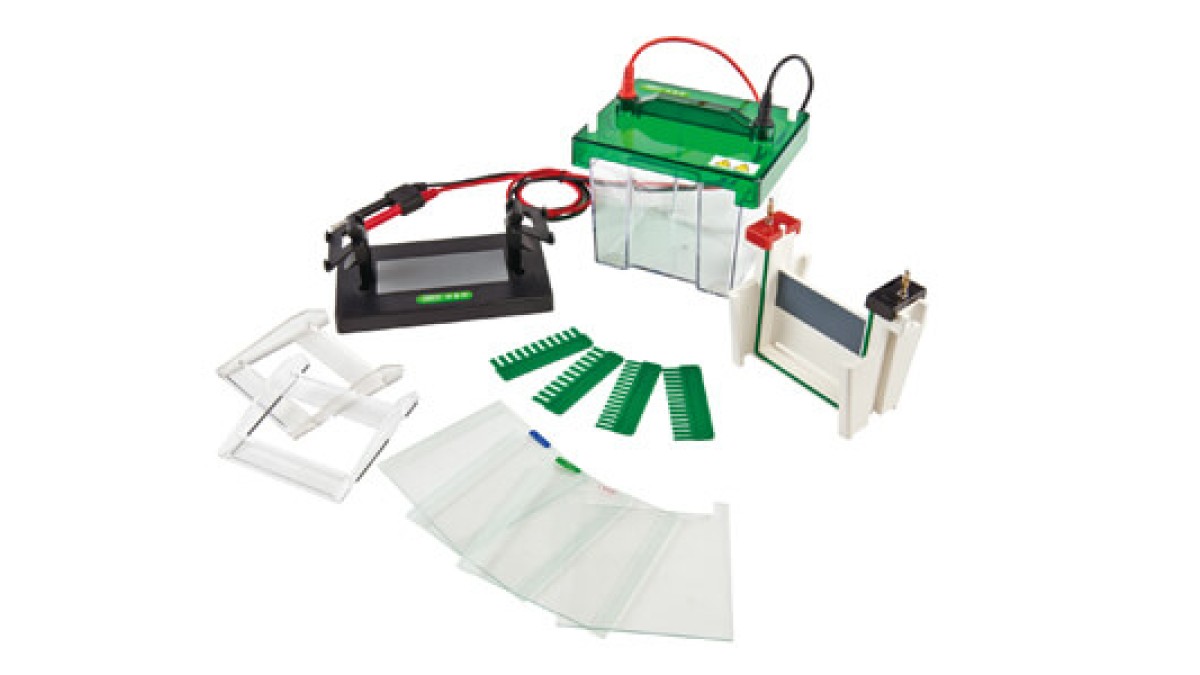
Vertical Electrophoresis: Common Mistakes and How to Avoid Them in Daily Operation 2026
What is it used for in 2026
Vertical electrophoresis is primarily used for the separation of proteins, making it an essential technique in molecular biology and biochemistry laboratories. This method allows researchers to analyze protein size, charge, and other properties, which is crucial for applications in proteomics, diagnostics, and drug development. In 2026, the technique has become more refined, integrating advanced technology that enhances precision and efficiency.
History and evolution of the technology
Vertical electrophoresis has evolved significantly since its inception. Initially developed in the mid-20th century, the technology has progressed from basic gel systems to sophisticated models that accommodate multiple samples simultaneously. With the introduction of various gel materials and buffer systems, the resolution and speed of protein separation have improved markedly, allowing researchers to obtain clearer results and more efficient workflows.
How to use it step by step
Using vertical electrophoresis involves several key steps:
- Preparation of Samples: Properly prepare your protein samples, ensuring they are denatured if necessary.
- Gel Preparation: Create the gel solution, pour it into the casting tray, and allow it to solidify.
- Loading Samples: Carefully load the samples into the wells of the gel, making sure to avoid cross-contamination.
- Running the Gel: Connect the electrophoresis unit to a power supply, set the voltage, and run the gel according to the protocol.
- Staining and Visualization: After separation, stain the gel to visualize the protein bands and analyze the results.
Best techniques and protocols
For optimal results with vertical electrophoresis, consider the following techniques:
- Gradient Gels: Use gradient gels for resolving proteins of different sizes.
- Pre-cast Gels: For convenience, utilize pre-cast gels that save time in preparation.
- Consistent Buffer Systems: Maintain consistent buffer compositions to ensure reproducibility.
- Temperature Control: Monitor the temperature to prevent overheating, which can affect protein migration.
Practical applications by laboratory type
Vertical electrophoresis is utilized across various laboratory types:
- Research Laboratories: For protein characterization and purification.
- Clinical Laboratories: In diagnostics for diseases associated with protein abnormalities.
- Biotechnology Companies: In the development of therapeutic proteins and vaccines.
Regulations, standards and certifications
Laboratories performing vertical electrophoresis must adhere to various regulations and standards, including:
- ISO 9001 for quality management systems.
- GLP (Good Laboratory Practice) guidelines for laboratory procedures.
- FDA regulations for clinical laboratories involved in diagnostics.
Comparison with alternative technologies
When compared to alternative technologies such as horizontal electrophoresis and capillary electrophoresis, vertical electrophoresis offers specific advantages:
- Higher Resolution: Vertical systems generally provide better resolution for protein separation.
- Multiple Samples: Allows for the simultaneous processing of multiple samples, enhancing throughput.
- Customization: More customizable in terms of gel composition and thickness.
Comparison of available models
| Model | Best for | Key specs | Recommended use case |
|---|---|---|---|
| YR03425 | Basic protein separation | Size: 150x120x115 mm, Weight: 1.5 Kg | Ideal for small sample volumes and basic separation tasks. |
| YR03426 | Multiple gel casting | Size: 220x170x120 mm, Weight: 2.5 Kg | Best suited for laboratories requiring to prepare multiple gels at once. |
| YR03427 | High-throughput applications | Size: 175x175x100 mm, Weight: 2.5 Kg | Recommended for labs focused on high sample throughput. |
| YR03428 | Protein analysis | Size: 280x140x135 mm, Weight: 3.2 Kg | Excellent for in-depth protein analysis and large sample volumes. |
| YR03429 | Large scale experiments | Size: 280x140x250 mm, Weight: 5.6 Kg | Best for labs conducting large-scale protein separations. |
| YR03430 | Rapid analysis | Size: 280x140x136 mm, Weight: 3.2 Kg | Ideal for quick and efficient electrophoresis tasks. |
Common mistakes and how to avoid them
Here are some common mistakes encountered in vertical electrophoresis and tips to avoid them:
- Improper Sample Preparation: Ensure samples are adequately denatured and loaded without air bubbles.
- Inconsistent Gel Thickness: Use a leveling device to ensure uniform gel thickness for consistent results.
- Insufficient Buffer Volume: Always use the recommended buffer volume to avoid issues during electrophoresis.
- Neglecting Equipment Calibration: Regularly calibrate your equipment to maintain accuracy and reliability.
Maintenance, calibration and good practices 2026
To ensure optimal performance of vertical electrophoresis units in 2026:
- Clean the units thoroughly after each use to prevent contamination.
- Calibrate equipment regularly according to manufacturer guidelines.
- Document all maintenance activities to maintain compliance with laboratory standards.
Cost-benefit analysis 2026
When considering the investment in vertical electrophoresis equipment, evaluate the cost against the benefits:
- Initial Costs: Assess the purchase prices of different models and their features.
- Long-term Benefits: Factor in the potential for increased efficiency, accuracy, and throughput.
- Operational Costs: Consider maintenance, consumables, and training costs associated with the equipment.
Frequently asked questions
What are the key factors to consider when choosing vertical electrophoresis equipment?
When selecting vertical electrophoresis equipment, consider the sample volume, required resolution, gel size, and the specific applications for your laboratory needs.
How can I ensure accurate protein separation?
To achieve accurate protein separation, ensure proper sample preparation, consistent gel thickness, and adequate buffer volume. Regular calibration of the equipment is also crucial.
What maintenance practices are essential for vertical electrophoresis units?
Essential maintenance practices include cleaning the units after each use, performing regular calibrations, and documenting all maintenance activities for compliance purposes.
How often should I replace the gels used in vertical electrophoresis?
The frequency of gel replacement depends on usage. Generally, gels should be replaced after several runs or when performance declines.
What safety precautions should I take while using vertical electrophoresis?
Always wear appropriate personal protective equipment, such as gloves and goggles, and ensure proper disposal of waste materials according to local regulations.
Can I run multiple samples at once, and how should I manage them?
Yes, you can run multiple samples, particularly with models designed for high-throughput applications. Properly label and organize samples to avoid mix-ups during the loading process.
What should I do if I encounter consistent errors in my electrophoresis results?
If you experience consistent errors, review your sample preparation procedures, gel composition, and equipment calibration. Troubleshooting each step systematically can help identify the issue.
If you are looking for a fusion of innovation and quality, you have come to the right place. At Kalstein, we offer you the luxury of exploring our exclusive catalog of laboratory equipment. We manufacture every device to the highest standards of excellence. Our intuitive and seamless online purchasing channels are designed for your convenience, securing the most competitive prices. Hesitate no longer — we bring science to life, it is time to become part of our community.