How Vacuum Ovens Enhance University Research and Academic Projects
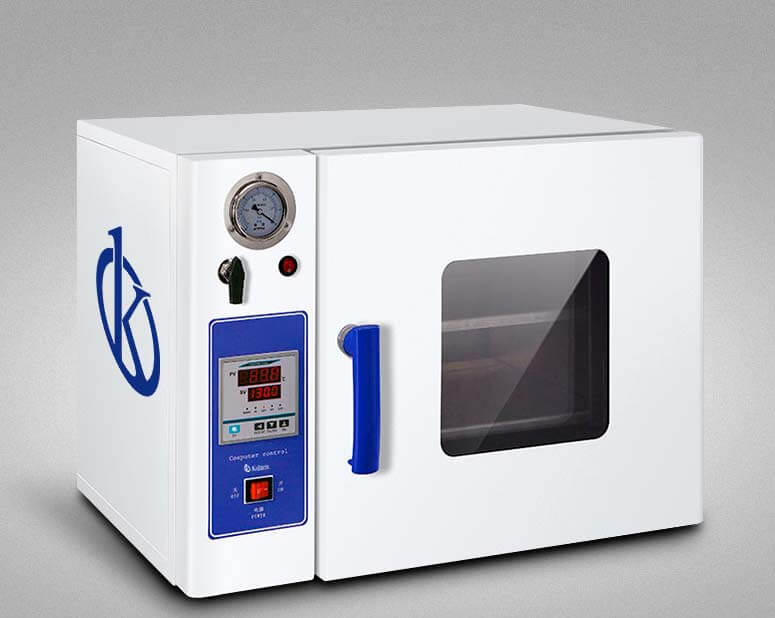
Vacuum ovens play a crucial role in modern laboratories, particularly in university research and academic projects. They provide a controlled environment that is essential for the drying and sterilization of sensitive materials. This article explores the various applications of vacuum ovens in academic settings, compares different models available on the market, and highlights common pitfalls to avoid.
Understanding the Role of Vacuum Ovens in University Research
In the context of university research, vacuum ovens facilitate numerous processes, including the drying of heat-sensitive materials, the sterilization of glassware, and the preparation of samples for chemical analysis. The ability to maintain a vacuum environment minimizes oxidation and contamination, which is crucial in obtaining reproducible results in experiments.
For instance, the Vacuum Drying Oven YR05260 (A) is particularly effective for drying complex materials and is widely used in biochemical research due to its precise temperature control. This ensures that sensitive compounds remain intact throughout the drying process.
Comparison of Available Models
| Model | Temperature Range (°C) | Power (kW) | Best Application |
|---|---|---|---|
| YR05260 (A) | RT + 5 ~ 250 | 0.9 | Drying heat-sensitive materials |
| YR05261 (A) | RT + 5 ~ 250 | 0.9 | Chemical analysis preparation |
| YR05262 (SS) | RT + 5 ~ 250 | 1.4 | Glassware sterilization |
| YR05263 (SS) | RT + 5 ~ 250 | 1.4 | Environmental research |
| YR05264 (A) | RT + 5 ~ 250 | 0.9 | Agricultural studies |
| YR05265 (SS) | RT + 5 ~ 250 | 1.4 | Pharmaceutical applications |
Common Mistakes and How to Avoid Them
One common mistake in using vacuum ovens is failing to properly calibrate the temperature settings. Each model, such as the YR05262 (SS), has specific calibration requirements to ensure accurate performance. Neglecting these can lead to ineffective drying or damage to sensitive materials.
Additionally, overloading the oven can impact the vacuum efficiency and result in uneven drying. It is crucial to follow the manufacturer's guidelines regarding load capacity to maintain optimal performance.
Maximizing Productivity with Vacuum Ovens in Research
Vacuum ovens significantly enhance the productivity of laboratory researchers by reducing drying times and improving sample quality. The Vacuum Drying Oven YR05261 (A) offers rapid drying capabilities, which is particularly essential in time-sensitive academic projects. By utilizing these ovens, researchers can process multiple samples in a shorter time frame, thus increasing throughput.
Implementing a scheduling system for using the vacuum ovens allows multiple users to coordinate their experiments efficiently. This practice maximizes resource utilization and minimizes idle time, ensuring that research projects progress smoothly.
Safety Considerations in Using Vacuum Ovens
When using vacuum ovens, safety is paramount. Operators must ensure that the ovens are well-ventilated and that proper personal protective equipment (PPE) is worn to prevent exposure to harmful substances that may be processed inside the oven. The YR05263 (SS) model, designed with advanced safety features, ensures that laboratory personnel are protected during operation.
Furthermore, regular maintenance checks are essential to ensure that all safety protocols are adhered to, preventing accidents caused by equipment malfunction.
Energy Efficiency and Environmental Impact of Vacuum Ovens
Vacuum ovens, like the YR05264 (A), are designed for energy efficiency, which is particularly important in academic settings where budget constraints are common. These models typically consume less power compared to traditional drying methods, resulting in lower operational costs over time.
Conducting a lifecycle assessment of vacuum ovens can provide insights into their environmental impact, helping universities make informed decisions when purchasing laboratory equipment. Various models have different energy consumption rates, and selecting energy-efficient options can significantly reduce a laboratory's carbon footprint.
Frequently Asked Questions
What features should I look for in a vacuum oven for academic research?
When selecting a vacuum oven for academic research, prioritize models with precise temperature control, such as the YR05261 (A). Look for capabilities like a wide temperature range and good vacuum performance for effective drying and sterilization.
How can vacuum ovens improve the reproducibility of experimental results?
Vacuum ovens like the YR05260 (A) ensure consistent drying conditions, minimizing oxidation and contamination risks. This leads to more reproducible results, which is crucial in academic research settings.
Which vacuum oven is best for drying heat-sensitive samples in a lab?
The YR05264 (A) is particularly effective for drying heat-sensitive samples, as it provides controlled environments that prevent thermal degradation during the drying process.
What is the average cost of a vacuum oven for research purposes?
The prices of vacuum ovens for research can vary. For example, the YR05262 (SS) is priced at approximately $400. It's important to consider models that fit both your budget and specific research needs.
How often should a vacuum oven be calibrated for accuracy?
Calibrating a vacuum oven, such as the YR05265 (SS), should be done at least annually, or more frequently if used heavily. Regular calibration ensures that temperature settings remain accurate for reliable results.
What maintenance is required for vacuum ovens in a university environment?
Regular maintenance for vacuum ovens includes cleaning the interior, checking seals for leaks, and ensuring that electrical components are functioning correctly. This maintenance is essential for models like YR05263 (SS) to operate efficiently.
How do vacuum ovens contribute to sustainable laboratory practices?
Vacuum ovens, like the YR05262 (SS), are energy-efficient and reduce reagent waste during drying processes. Their use supports sustainable laboratory practices by minimizing energy consumption and environmental impact.
Are there any specific protocols for operating vacuum ovens safely?
Yes, safe operation protocols include proper ventilation, using PPE, and adhering to load limits. For example, the YR05260 (A) should be operated with care to prevent overloading and ensure user safety.
If you are looking for a fusion of innovation and quality, you have come to the right place. At Kalstein, we offer you the luxury of exploring our exclusive catalog of laboratory equipment. We manufacture every device to the highest standards of excellence. Our intuitive and seamless online purchasing channels are designed for your convenience, securing the most competitive prices. Hesitate no longer — we bring science to life, it is time to become part of our community.