Vacuum Ovens: Best Techniques and Protocols in 2026
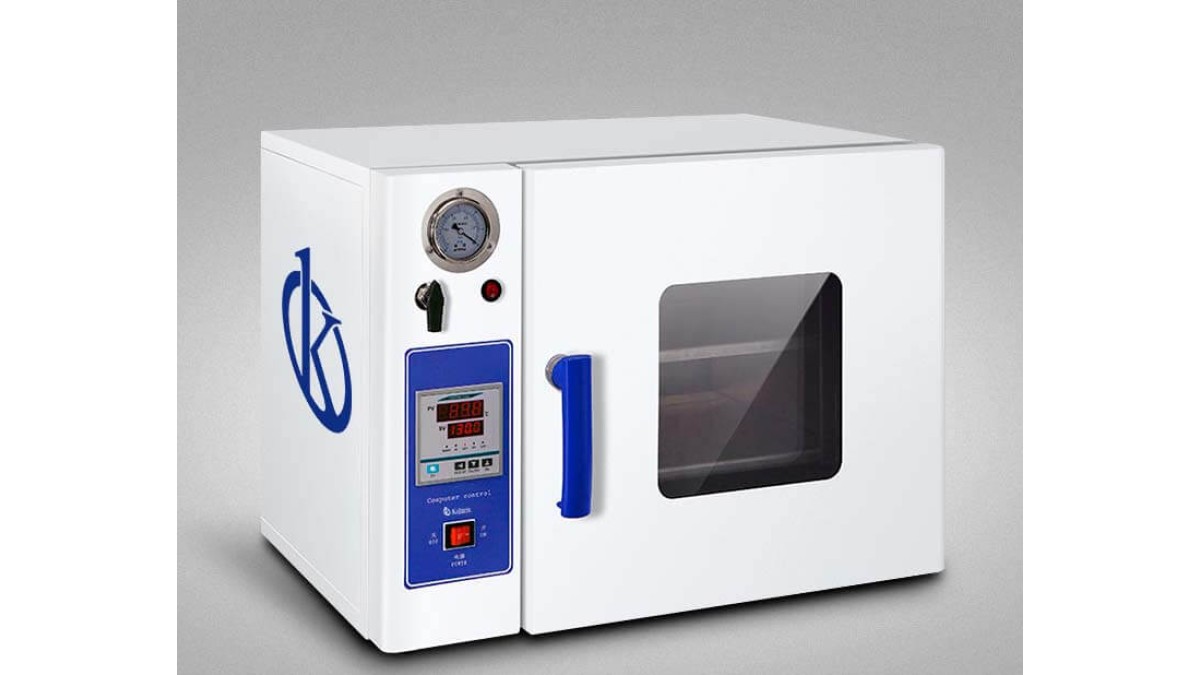
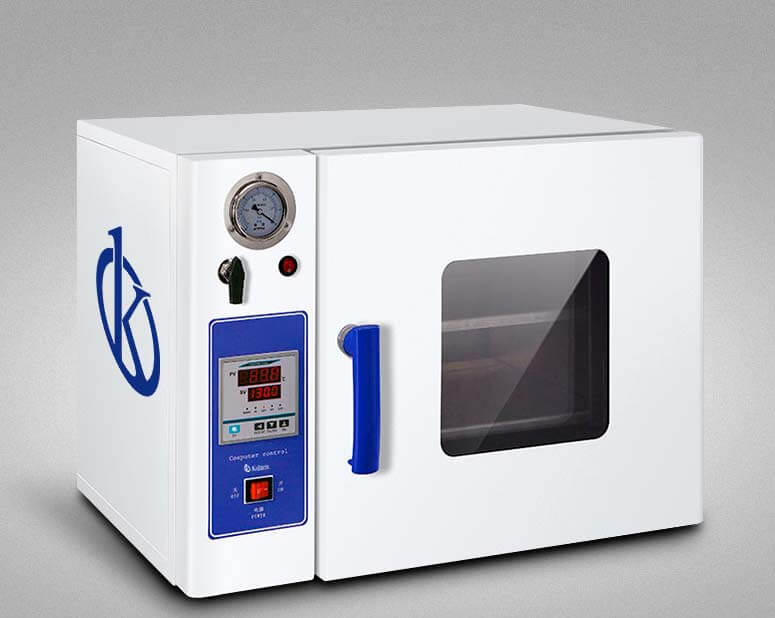
Vacuum ovens are essential tools in various laboratory environments, particularly in fields such as biochemistry, pharmaceuticals, and agriculture. With the advancements in technology and techniques, professionals in 2026 need to understand how to effectively use these devices. This article will dive into the applications, best practices, and workflows associated with vacuum ovens.
What is it used for in 2026
In 2026, vacuum ovens are primarily used for drying heat-sensitive materials, sterilizing glassware, and conducting chemical reactions under controlled atmospheric conditions. They are ideal for applications where moisture removal is critical and oxidation must be minimized. The vacuum environment allows for lower temperatures to be used, preventing the degradation of sensitive compounds and facilitating the drying of complex materials.
History and evolution of the technology
The technology behind vacuum ovens has evolved significantly over the years. Initially, vacuum drying techniques were rudimentary and unreliable. However, advancements in materials science and engineering have led to the development of more efficient and reliable vacuum ovens. Modern vacuum ovens are equipped with digital controls for precise temperature regulation, advanced vacuum systems for faster drying times, and improved insulation for energy efficiency.
How to use it step by step
1. **Preparation**: Ensure the vacuum oven is clean and free of any residues from previous uses. Check all components are in good condition.
2. **Loading**: Place the materials to be dried inside the chamber. Ensure they are evenly distributed and do not obstruct the air circulation.
3. **Setting Parameters**: Set the desired temperature and vacuum level according to the specifications of the materials being processed.
4. **Starting the Oven**: Initiate the vacuum and heating process, monitoring the chamber for any irregularities.
5. **Monitoring**: Regularly check the temperature and vacuum levels throughout the process to ensure consistency.
6. **Completion**: Once the drying process is complete, allow the oven to cool down before opening the chamber to avoid condensation.
Best techniques and protocols
Best practices for using vacuum ovens include:
- Using materials that are compatible with vacuum conditions.
- Regular calibration of the oven to maintain accuracy.
- Employing a gradual increase in temperature to prevent thermal shock to sensitive samples.
- Documenting the drying process for reproducibility.
Practical applications by laboratory type
1. **Pharmaceuticals**: Used for drying active pharmaceutical ingredients and sterilizing equipment.
2. **Biochemistry**: Ideal for drying enzymes and sensitive biological samples without denaturation.
3. **Material Science**: Effective for removing moisture from composite materials and polymers.
4. **Environmental Testing**: Used to dry soil and other samples before analysis.
Regulations, standards and certifications
Vacuum ovens must comply with various regulations such as ISO 9001 for quality management systems and Good Laboratory Practice (GLP) standards. Additionally, they should be certified for safety and efficiency according to industry-specific standards.
Comparison with alternative technologies
Alternative drying technologies include freeze dryers and convection ovens. While freeze dryers are excellent for preserving samples, they are more expensive and time-consuming. Convection ovens are less effective at removing moisture from heat-sensitive materials compared to vacuum ovens.
Comparison of available models
| Model | Best for | Key specs | Recommended use case |
|---|---|---|---|
| YR05260-A | Heat-sensitive powders | Temperature range: RT + 5 ~ 250°C, Power: 0.9 kW | Drying of complex materials |
| YR05261-A | Pharmaceutical applications | Temperature range: RT + 5 ~ 250°C, Power: 0.9 kW | Efficient drying of APIs |
| YR05262-SS | Environmental testing | Temperature range: RT + 5 ~ 250°C, Power: 0.9 kW | Moisture removal from samples |
| YR05263-SS | Biochemical research | Temperature range: RT + 5 ~ 250°C, Power: 1.4 kW | Drying of sensitive biological materials |
| YR05264-A | Material science | Temperature range: RT + 5 ~ 250°C, Power: 0.9 kW | Composite material preparation |
| YR05265-SS | General laboratory use | Temperature range: RT + 5 ~ 250°C, Power: 1.4 kW | Diverse applications across labs |
Common mistakes and how to avoid them
Common mistakes include overloading the oven, not monitoring temperature and vacuum levels, and failing to perform regular maintenance. To avoid these, always follow the manufacturer's guidelines, regularly calibrate the equipment, and keep a log of all processes for review.
Maintenance, calibration and good practices 2026
Regular maintenance includes cleaning the chamber, checking seals, and ensuring the vacuum pump is functioning correctly. Calibration should be performed periodically to ensure accuracy. Good practices involve following safety protocols and ensuring that all users are trained on the proper operation of the equipment.
Cost-benefit analysis 2026
Investing in a vacuum oven can significantly improve laboratory efficiency and sample integrity. The initial cost may be high, but the benefits of precise drying, reduced processing time, and the ability to handle sensitive materials justify the investment. Long-term savings on materials and improved results can outweigh the upfront expenses.
Frequently asked questions
What materials can I dry in a vacuum oven?
You can dry a variety of materials in a vacuum oven, including heat-sensitive chemicals, biological samples, and composites. Ensure that the materials are compatible with the vacuum conditions.
How do I know the right temperature for my samples?
The right temperature depends on the specific materials you are processing. Always refer to the manufacturer's guidelines or conduct preliminary tests to determine optimal drying conditions.
Can I use a vacuum oven for sterilization?
Yes, vacuum ovens are effective for sterilizing glassware and other lab equipment, as they can remove moisture that may harbor bacteria.
What is the typical lifespan of a vacuum oven?
A vacuum oven can last many years with proper maintenance, typically ranging from 10 to 20 years depending on usage and care.
How often should I calibrate my vacuum oven?
Calibration should be performed at least once a year, or more frequently if the equipment is used heavily. Regular checks ensure accuracy and reliability.
Are there safety concerns when using a vacuum oven?
Yes, safety concerns include potential overheating and the risk of implosion if the chamber is damaged. Always follow safety guidelines and ensure equipment is in good condition.
Where can I request a quote for a vacuum oven?
You can request a quote for vacuum ovens and other laboratory equipment through our dedicated quote request channels.
If you are looking for a fusion of innovation and quality, you have come to the right place. At Kalstein, we offer you the luxury of exploring our exclusive catalog of laboratory equipment. We manufacture every device to the highest standards of excellence. Our intuitive and seamless online purchasing channels are designed for your convenience, securing the most competitive prices. Hesitate no longer — we bring science to life, it is time to become part of our community.