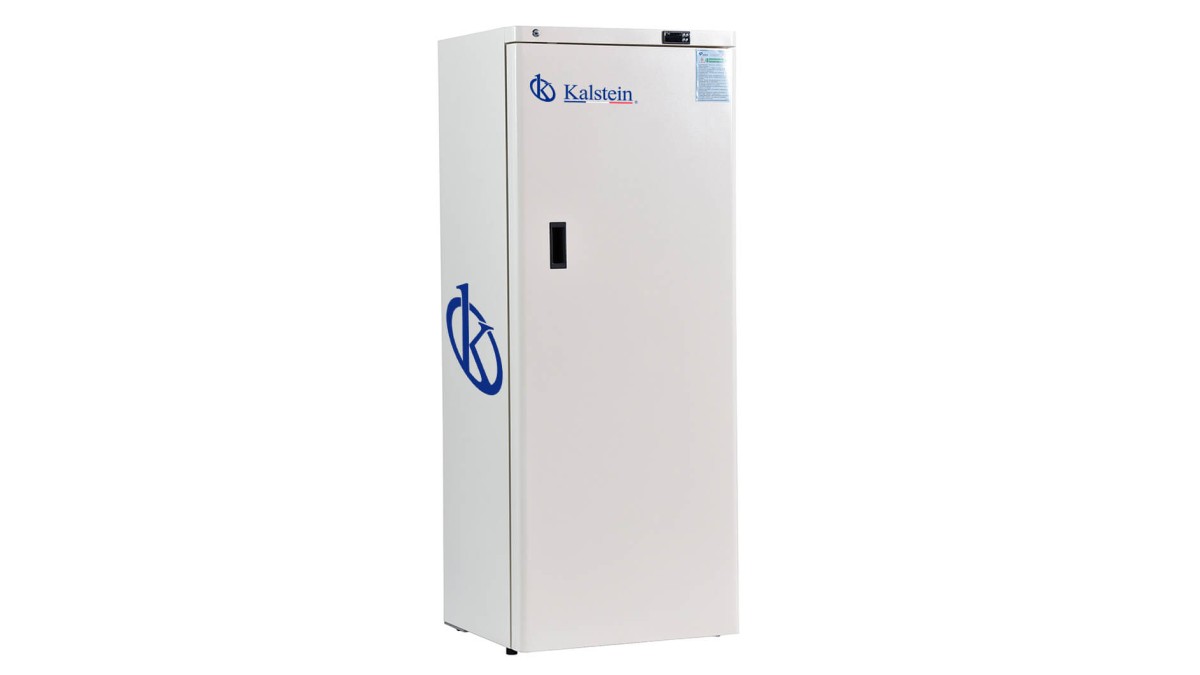
Upright Freezers: Applications in Research, Biotechnology and Academia 2026
Upright freezers play a crucial role in various laboratory settings, particularly in research, biotechnology, and academic environments. They are designed for long-term storage of biological materials and sensitive samples, ensuring that temperature conditions remain optimal for preservation.
What is it used for in 2026
In 2026, upright freezers are primarily used for the long-term storage of biological samples such as vaccines, plasma, enzymes, and genetically modified organisms. They are invaluable in clinical labs, pharmaceutical companies, and research institutions. The stability of temperature in these freezers is essential for maintaining the integrity of sensitive biological materials.
History and evolution of the technology
The technology behind upright freezers has evolved significantly over the years. Originally, freezers utilized basic refrigeration methods which were energy inefficient and less reliable. Over the decades, advancements in microprocessor controls and insulation materials have led to modern models that offer energy efficiency, precise temperature control, and enhanced safety features.
How to use it step by step
Using an upright freezer involves several essential steps:
- Ensure the unit is placed on a stable surface in a temperature-controlled room.
- Set the desired temperature using the digital control panel, usually between -10°C to -86°C depending on the model.
- Load samples carefully, ensuring they are stored in appropriate containers.
- Follow best practices for labeling and organizing samples for easy retrieval.
- Regularly monitor temperature settings and perform maintenance checks as recommended by the manufacturer.
Best techniques and protocols
To maximize the performance of upright freezers, laboratories should adopt the following techniques:
- Use high-quality, insulated containers for sample storage to minimize thermal loss.
- Employ systematic inventory management to track sample locations and minimize door openings.
- Perform routine maintenance and calibrate temperature sensors annually to ensure accuracy.
- Utilize alarms and alerts for temperature deviations to safeguard against sample loss.
Practical applications by laboratory type
Upright freezers are utilized in various laboratory types:
- Clinical Laboratories: Ideal for storing biological samples, reagents, and vaccines.
- Pharmaceutical Companies: Essential for research and development of drugs.
- Biotechnology Firms: Used for the preservation of genetically engineered organisms.
- Academic Institutions: Useful for research projects and educational purposes involving biological samples.
Regulations, standards and certifications
Compliance with regulations such as FDA, EPA, and ISO standards is crucial. Laboratories must ensure that their upright freezers meet safety and performance standards to protect biological materials and ensure reliable results. Certifications from recognized bodies provide assurance of the unit's quality and performance.
Comparison with alternative technologies
While upright freezers are widely used, alternative technologies such as chest freezers and cryogenic storage units have their own advantages. Chest freezers may have larger capacities and be more energy-efficient, while cryogenic units provide even lower temperature options for specific applications. Choosing between these technologies depends on specific laboratory requirements and the types of materials being stored.
Comparison of available models
| Model | Best for | Key specs | Recommended use case |
|---|---|---|---|
| YR05097 | General laboratory storage | -10°C to -25°C, 180W, 46 dB | Storing non-critical biological samples |
| YR05297 | Ultra-low volume storage | -40°C to -86°C, 870W, 50 dB | Long-term storage of sensitive biological specimens |
| YR05296 | Research institutions | -40°C to -86°C, 810W, 52 dB | Storing viruses and other sensitive materials |
| YR05295 | Large-scale storage | -10°C to -25°C, 2 SECOP compressors | Hospital and laboratory use with high storage needs |
| YR05294 | General biological storage | -10°C to -25°C, R290 refrigerant | Storing vaccines and plasma |
| YR05293 | Biomedical applications | -10°C to -25°C, 1 CUBIGEL compressor | Laboratory storage with adjustable temperatures |
Common mistakes and how to avoid them
Common mistakes in using upright freezers include:
- Overloading the freezer, which can impair airflow and temperature stability.
- Frequent door openings, which can cause temperature fluctuations. Limit access during critical storage times.
- Failing to regularly calibrate temperature settings, leading to potential sample degradation.
- Poor labeling and organization of samples can lead to confusion and loss of critical materials.
Maintenance, calibration and good practices 2026
Regular maintenance of upright freezers is essential to ensure optimal performance:
- Clean the condenser coils to maintain efficiency.
- Check door seals for integrity to prevent temperature loss.
- Calibrate temperature sensors at least once a year to ensure accuracy.
- Document all maintenance activities for compliance and operational history.
Cost-benefit analysis 2026
Investing in upright freezers represents a significant cost, but the benefits in terms of sample preservation and research integrity can outweigh initial expenditures. When selecting a model, consider the total cost of ownership, including energy efficiency, maintenance requirements, and potential sample loss.
Frequently asked questions
What types of samples can be stored in upright freezers?
Upright freezers are designed to store a variety of biological samples including vaccines, blood plasma, enzymes, and genetic materials. The specific temperature range of the freezer will determine the suitability for different sample types.
How do I know which upright freezer is right for my laboratory?
Selecting the right upright freezer depends on several factors including the type of samples you need to store, the required temperature range, and the volume of material. Evaluate your laboratory's specific needs and compare models based on their specifications.
How often should I perform maintenance on my upright freezer?
Regular maintenance should be performed quarterly, but key checks such as calibrating temperature sensors and cleaning coils should be completed at least once a year to ensure optimal performance.
Can upright freezers be used for long-term storage of sensitive materials?
Yes, many upright freezers are specifically designed for long-term storage of sensitive biological materials, provided that they maintain the necessary temperature conditions consistently.
What are the benefits of using a microprocessor-controlled upright freezer?
Microprocessor-controlled upright freezers offer precise temperature control, programmable settings, and better monitoring of conditions with alarm systems for any temperature deviations, enhancing sample safety.
How can I prevent sample loss due to temperature fluctuations?
To prevent sample loss, limit door openings, organize samples for quick access, and ensure that alarm systems are set up to alert you of any temperature deviations immediately.
If you are looking for a fusion of innovation and quality, you have come to the right place. At Kalstein, we offer you the luxury of exploring our exclusive catalog of laboratory equipment. We manufacture every device to the highest standards of excellence. Our intuitive and seamless online purchasing channels are designed for your convenience, securing the most competitive prices. Hesitate no longer — we bring science to life, it is time to become part of our community.