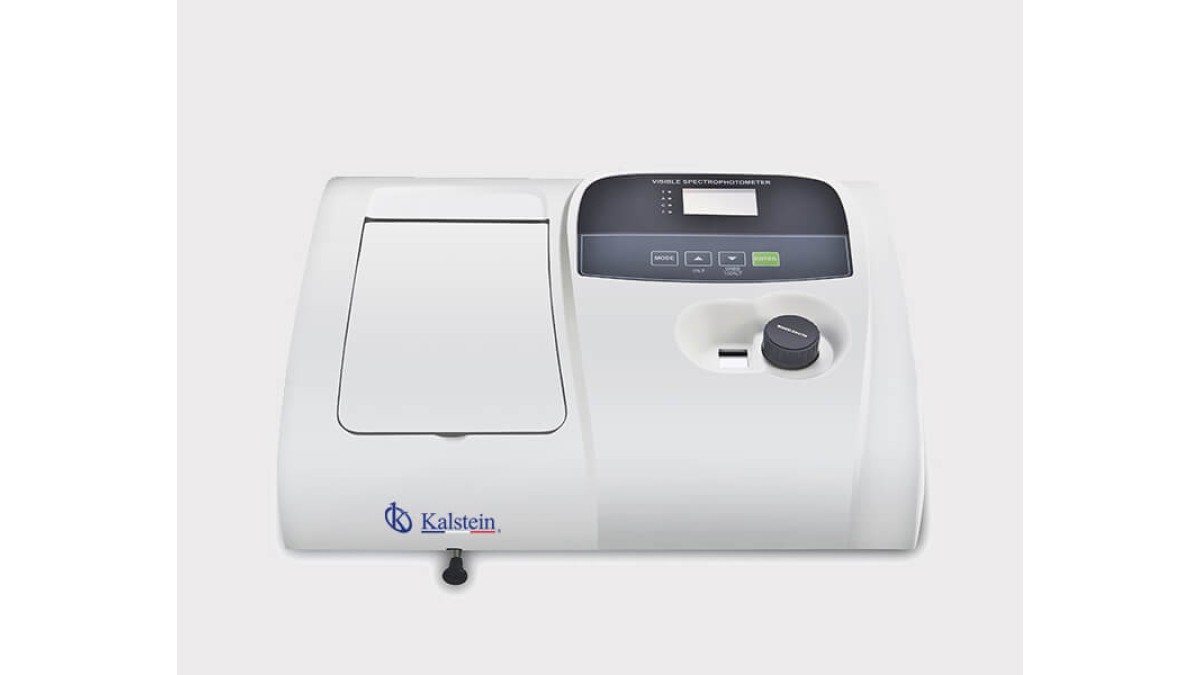
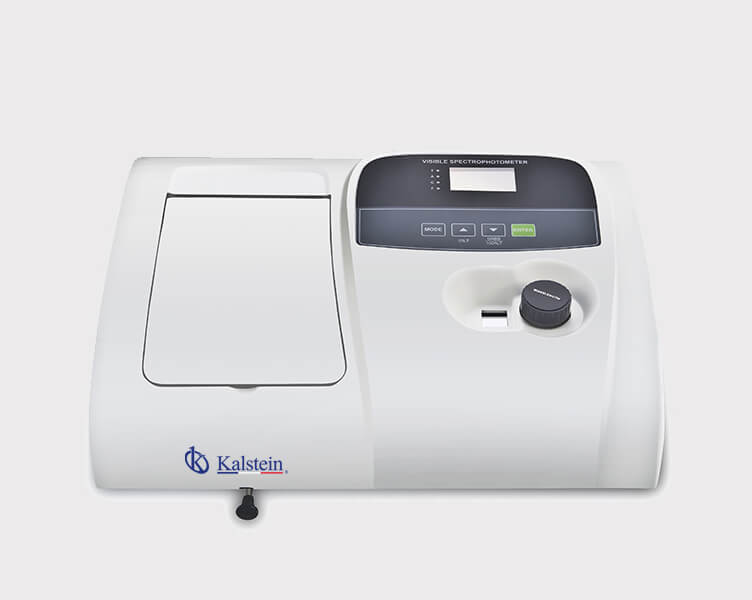
Unique Beam Spectrophotometers: Practical Step-by-Step Usage Guide 2026
What is it used for in 2026
Unique beam spectrophotometers are essential tools in various laboratories for measuring the intensity of light at different wavelengths. They are widely used in chemistry, biology, and environmental analysis to determine the concentration of substances in a sample. In 2026, these devices are crucial for applications such as quality control in manufacturing, research and development in pharmaceuticals, and environmental monitoring of pollutants.
History and evolution of the technology
The development of spectrophotometry dates back to the early 19th century when scientists began exploring the interaction of light with matter. Over the decades, advancements in technology have led to the creation of unique beam spectrophotometers, which offered improved precision and ease of use. By integrating microprocessors and advanced optics, modern devices can perform automatic wavelength adjustments and offer digital readouts, making them indispensable in today’s laboratories.
How to use it step by step
Using a unique beam spectrophotometer involves several steps:
- **Preparation**: Gather all necessary samples, reagents, and equipment. Ensure that the spectrophotometer is calibrated and clean.
- **Setting up the device**: Turn on the spectrophotometer and select the appropriate wavelength range for your analysis.
- **Zeroing the device**: Use a blank sample (solvent without the analyte) to perform an Auto Zero operation.
- **Sample measurement**: Place your sample cuvette in the light path and record the absorbance or transmittance readings.
- **Data analysis**: Analyze the recorded data using appropriate software to determine the concentration of the analyte.
- **Cleaning**: After use, clean the cuvettes and the device to prevent contamination.
Best techniques and protocols
To achieve accurate and reliable results, laboratory professionals should adhere to the following techniques and protocols:
- **Calibration**: Regularly calibrate the device using standard solutions to ensure accuracy.
- **Use of appropriate cuvettes**: Always use cuvettes made of the correct material for the wavelength range being used.
- **Temperature control**: Maintain a consistent temperature during measurements as it can affect the results.
- **Replicates**: Conduct measurements in replicates to ensure reliability and reduce variability.
Practical applications by laboratory type
Unique beam spectrophotometers find applications across various laboratory types:
- **Chemical laboratories**: For quantitative analysis of chemical substances.
- **Biological laboratories**: Used for nucleic acid and protein quantification.
- **Environmental laboratories**: For monitoring water quality and detecting pollutants.
- **Pharmaceutical laboratories**: For validating the concentration of active ingredients in formulations.
Regulations, standards and certifications
In 2026, laboratories using unique beam spectrophotometers must adhere to several regulatory standards. These include ISO 17025 for testing laboratories, GLP (Good Laboratory Practice), and specific FDA regulations for pharmaceutical testing. Compliance with these standards ensures that the results obtained are reliable and accepted in various industries.
Comparison with alternative technologies
While unique beam spectrophotometers are widely used, there are alternative technologies such as multi-beam spectrophotometers and chromatographic methods. Multi-beam spectrophotometers offer faster measurements but can be more expensive, while chromatographic methods provide separation capabilities that spectrophotometry lacks. However, for direct absorbance measurements, unique beam spectrophotometers remain a standard choice due to their simplicity and cost-effectiveness.
Comparison of available models
| Model | Best for | Key specs | Recommended use case |
|---|---|---|---|
| YR01844 | Standard laboratory measurements | Range: 325-1000nm, Precision: ±0.5%T | Basic absorption and concentration analysis |
| YR01845 | Flexible standard curve setup | Range: 325-1000nm, Price: $530 | Multiple result readings and standard curve generation |
| YR01846 | High resolution measurements | Range: 320-1100nm, Accuracy: ±0.5nm | High precision applications in research |
| YR01847 | Advanced laboratory settings | Range: 320-1100nm, Price: $840 | Comprehensive analysis with automatic wavelength adjustment |
| YR01850 | Wide wavelength range analyses | Range: 190-1000nm, Price: $790 | UV-VIS applications requiring low stray light |
| YR01853 | Ultraviolet and visible range analysis | Range: 190-1100nm, Price: $1630 | Advanced UV-VIS analysis with high stability |
Common mistakes and how to avoid them
Laboratory professionals often face several common mistakes while using spectrophotometers. To avoid these:
- **Not calibrating the instrument**: Always calibrate before use to ensure accurate results.
- **Incorrect cuvette usage**: Use cuvettes that are compatible with the wavelength range being measured.
- **Ignoring temperature control**: Keep samples at a consistent temperature during measurement.
Maintenance, calibration and good practices 2026
To maintain spectrophotometers in 2026, regular cleaning of the optical components is essential. Calibrate the device every month or after significant usage. Additionally, follow the manufacturer’s guidelines for maintenance, which includes checking lamp performance and ensuring electrical connections are secure.
Cost-benefit analysis 2026
When considering the purchase of a unique beam spectrophotometer in 2026, it’s crucial to analyze the return on investment. The upfront cost should be weighed against the benefits of increased accuracy, reduced time for analysis, and the ability to expand research capabilities. The long-term savings from improved efficiency often justify the initial expenditure.
Frequently asked questions
What factors should I consider when choosing a unique beam spectrophotometer?
When selecting a spectrophotometer, consider the wavelength range, accuracy, ease of use, and the type of applications you will perform. Additionally, assess the budget and required features.
How do I perform regular maintenance on my spectrophotometer?
Regular maintenance involves cleaning the optical components, calibrating the device monthly, and replacing lamps as needed. Follow the manufacturer’s maintenance guide for specific instructions.
Can unique beam spectrophotometers be used interchangeably for different types of analyses?
Yes, unique beam spectrophotometers can be used for various analyses, including UV-Vis applications, provided the necessary parameters are adjusted accordingly.
What is the significance of using a blank sample?
A blank sample is crucial as it allows the spectrophotometer to account for any absorbance from the solvent, ensuring accurate measurements of the analyte.
How can I improve the accuracy of my measurements?
To enhance accuracy, calibrate regularly, use high-quality cuvettes, maintain a controlled temperature, and perform multiple replicates to average out variability.
What are the best practices for data analysis with spectrophotometer readings?
Utilize appropriate software for data analysis, ensure data is recorded correctly, and always cross-verify results with standard curves for validation.
If you are looking for a fusion of innovation and quality, you have come to the right place. At Kalstein, we offer you the luxury of exploring our exclusive catalog of laboratory equipment. We manufacture every device to the highest standards of excellence. Our intuitive and seamless online purchasing channels are designed for your convenience, securing the most competitive prices. Hesitate no longer — we bring science to life, it is time to become part of our community.