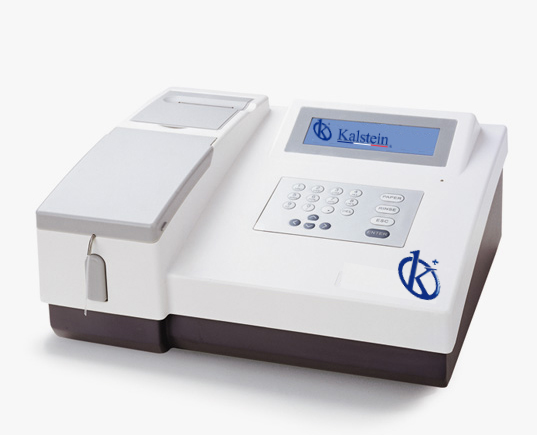
Understanding Measurement Interpretation with the YR05115 Semi-Automatic Chemistry Analyzer
The YR05115 Semi-Automatic Chemistry Analyzer is a powerful tool widely used in laboratories for its versatility and efficiency. Understanding how to interpret the results and readings from this device is crucial for accurate diagnostics and research. In this article, we will explore the principles of measurement interpretation, key features of the YR05115, and best practices for reading and understanding results.
Technical Specifications of the YR05115
| Model | YR05115 |
|---|---|
| Testing Mode | Kinetic, endpoint, two-point |
| Wavelengths | 7 wavelengths: 340, 405, 492, 510, 546, 578, 630 nm |
| Absorbance Range | 0 ~ 4.500 Abs |
| Precision of Absorbance | Out 0.0001 Abs, In 0.00001 Abs |
| CV of Repeatability | < 1% |
| Incubator | 37℃, 30℃, 25℃; Accuracy: ± 0.1℃ |
| Sample Volume | 0 ~ 3000 uL (Recommended ≥ 500 uL) |
| Flow Cell | 32 uL quartz glass, 10 mm |
| Data Storage | >= 10,000 |
| Display | 5-inch color LCD, touchscreen |
| Printer | Internal thermal printer, paper: Ф30 * 57 mm |
Principles of Measurement Interpretation
Understanding the principles of measurement interpretation is critical when using the YR05115. Key factors include the determination of absorbance, the importance of calibration, and the significance of test parameters.
Absorbance measures the amount of light absorbed by a sample at specific wavelengths. The YR05115 allows users to select from various wavelengths, which helps tailor testing to specific analytes. Calibration ensures that the measurements are reliable and accurate, and it is essential to follow calibration procedures to avoid erroneous results.
Common Parameters and Their Significance
The YR05115 tests a variety of parameters that are crucial for diagnosing health conditions or performing quality control in industrial applications. Some common parameters include:
- ALT (Alanine Aminotransferase): Indicates liver health.
- AST (Aspartate Aminotransferase): Another liver enzyme that helps assess liver function.
- BUN (Blood Urea Nitrogen): Measures kidney function.
- GLU (Glucose): Essential for monitoring blood sugar levels.
Each parameter has a normal range, and deviations from these ranges can indicate specific health issues. Understanding these parameters helps laboratory professionals interpret results accurately.
Reading the Display and Generated Reports
The YR05115 features a user-friendly 5-inch color LCD touchscreen that displays results clearly. When reading results, pay attention to:
- Result Values: Ensure they fall within expected ranges.
- Flags: Look for any flags that indicate abnormal readings.
- Graphs: Analyze provided graphs that may depict trends or fluctuations.
It is also crucial to understand the format of printed reports, as they often include additional details that can aid in interpreting the results.
Common Misinterpretations of Results
Laboratory professionals must be aware of common misinterpretations that can occur:
- Assuming Normality: Just because a result falls within a normal range does not always mean there is no underlying issue.
- Ignoring Context: Test results should always be interpreted in the context of the patient's history and symptoms.
- Neglecting Variability: Biological variability can affect results; understanding this is crucial for accurate interpretation.
Example Cases for Interpretation
To solidify understanding, reviewing example cases can be beneficial. Here’s a case:
Case Study: Elevated ALT Levels
A patient presents with elevated ALT levels indicated on the YR05115 report. The normal range for ALT is 7-56 U/L. If the reading shows 90 U/L, it indicates potential liver damage.
Next steps involve correlating this result with the patient's symptoms, history of substance use, and additional liver function tests for a comprehensive assessment.
Frequently Asked Questions
What is the significance of absorbance measurement in the YR05115?
Absorbance measurement in the YR05115 indicates how much light is absorbed by a sample, which is essential for determining the concentration of analytes in solution.
How can I ensure accurate readings with the YR05115?
To ensure accurate readings, regularly calibrate the device, use fresh reagents, and maintain proper sample handling procedures.
What should I do if I receive an error code from the YR05115?
Identify the specific error code through the user manual, follow troubleshooting steps, and if necessary, contact technical support for assistance.
How often should I perform maintenance on the YR05115?
Regular maintenance should be performed according to the manufacturer's recommendations, typically every three to six months, or as needed based on usage.
Can the YR05115 be used for both clinical and industrial applications?
Yes, the YR05115 is versatile and can be adapted for use in both clinical settings for health diagnostics and industrial applications for quality control.
How do I interpret trends in the readings from the YR05115?
Trends can be interpreted by analyzing consecutive readings over time, comparing them against normal ranges, and correlating them with patient symptoms or operational changes.
What steps should I take to document results from the YR05115?
Document results systematically in a laboratory information management system (LIMS) or physical logs, ensuring all readings are annotated with relevant details such as date, time, and sample information.
If you are looking for a fusion of innovation and quality, you have come to the right place. At Kalstein, we offer you the luxury of exploring our exclusive catalog of laboratory equipment. We manufacture every device to the highest standards of excellence. Our intuitive and seamless online purchasing channels are designed for your convenience, securing the most competitive prices. Hesitate no longer — we bring science to life, it is time to become part of our community.