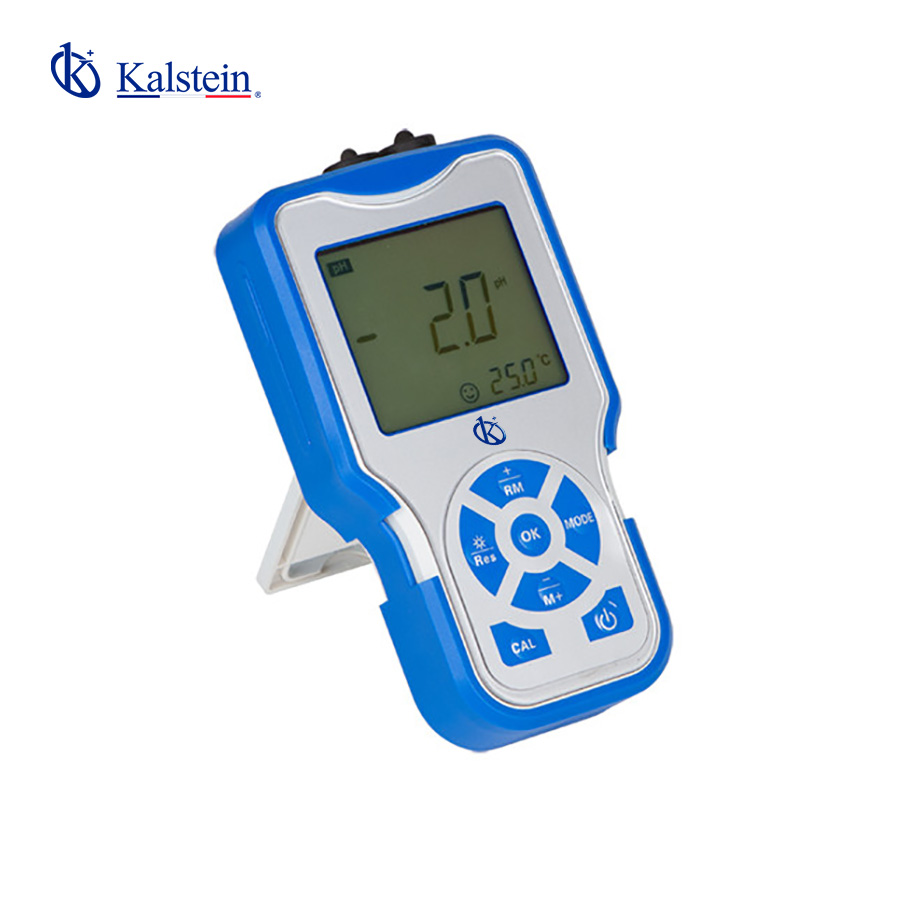
Understanding Measurement Interpretation with the YR01817-2 Ammonium Ion Meter
The YR01817-2 Ammonium Ion Meter is a professional-grade portable device designed for precise measurements of ammonium ion concentrations. This article will deep dive into the interpretation of measurement results, focusing on accurate reading techniques, calibration procedures, and applications in various sectors.
Technical Specifications of the YR01817-2
| Specification | Details |
|---|---|
| Model | YR01817-2 |
| Measurement Range | 5 × 10⁻⁷ to 1 M, 0.02 to 4000 ppm |
| Accuracy | ± 0.5% FS |
| Resolution | 0.001, 0.01, 0.1, 1 |
| Calibration Points | 2 to 5 points |
| Calibration Solutions | 0.001, 0.01, 0.1, 1, 10, 100, 1000, 10000 |
| Operating Temperature | 0°C to 105°C (32°F to 221°F) |
| Power Supply | 3 AA batteries or DC 5V adapter |
Understanding Ammonium Ion Concentration Measurements
The YR01817-2 provides a direct reading of ammonium ion concentrations in various units, including ppm, mg/L, and mol/L. Understanding these units is crucial for accurate interpretation. For instance, concentrations measured in ppm indicate parts per million, which is particularly useful in environmental monitoring and laboratory analysis.
To interpret the readings accurately, users must be familiar with the normal ranges expected in their specific applications. For example, in agricultural water testing, ammonium levels should generally be below 2 ppm to avoid toxicity in plants.
Calibration Procedures for Accurate Measurements
Calibration is essential to ensure accurate measurements with the YR01817-2. The meter can be calibrated using 2 to 5 points depending on the desired precision. Users should select calibration solutions that span the expected measurement range.
To calibrate, follow these steps:
- Turn on the meter and select the calibration mode.
- Immerse the electrode in the first calibration solution and allow the reading to stabilize.
- Record the reading and repeat for each calibration point.
- Verify the calibration by measuring known standards.
Common Misinterpretations of Measurement Results
One of the common mistakes in interpreting results from the YR01817-2 is neglecting the importance of temperature compensation. The device features automatic temperature compensation, which adjusts readings based on the temperature of the sample. Without understanding this feature, users may misinterpret higher or lower readings that are simply a result of temperature differences.
Applications Across Various Sectors
The YR01817-2 is versatile and can be applied in multiple sectors, including:
- Environmental Monitoring: Used to measure ammonium levels in water bodies to assess pollution levels.
- Agriculture: Helps farmers monitor soil and water quality to optimize crop health.
- Food Industry: Assists in ensuring food safety by monitoring ammonium levels in food processing.
- Clinical Laboratories: Utilized for analyzing biological samples to ensure accurate patient diagnoses.
Technical Challenges and Troubleshooting
While using the YR01817-2, users may encounter various challenges such as inconsistent readings or error codes. Understanding these problems is essential for effective troubleshooting. Below is a table summarizing common symptoms and their solutions:
| Symptom | Possible Cause | Solution |
|---|---|---|
| Inconsistent Readings | Dirty electrode or insufficient calibration | Clean electrode and recalibrate the device. |
| Error Code E-03 | Electrode malfunction | Check electrode connection; replace if necessary. |
| Reading Fluctuates | Temperature variation | Ensure stable temperature conditions; use the temperature compensation feature. |
Frequently Asked Questions
How do I ensure accurate readings with the YR01817-2?
To ensure accurate readings, always calibrate the meter using appropriate standard solutions before measurement. Make sure to perform regular maintenance on the electrode and check for any dirt or contamination.
What are the best practices for maintaining the YR01817-2?
Regularly clean the electrode with distilled water and store it in a proper solution to prevent drying out. Additionally, ensure that the device is calibrated regularly to maintain measurement accuracy.
Can the YR01817-2 be used for measuring other ions?
The YR01817-2 is specifically designed for ammonium ions. For other ions, alternative meters should be used to ensure accuracy and reliability.
What calibration solutions are recommended for the YR01817-2?
It is recommended to use calibration solutions that cover the expected measurement range, such as 0.001, 0.01, 1, 10, 100, 1000, and 10000 ppm.
How often should the YR01817-2 be calibrated?
The YR01817-2 should be calibrated regularly, especially before significant measurements, or at least once a week to ensure accuracy in readings.
What should I do if the YR01817-2 displays an error code?
If an error code is displayed, consult the user manual for specific troubleshooting steps. Common solutions include checking electrode connections or recalibrating the device.
Conclusion
Understanding the measurement interpretation with the YR01817-2 Ammonium Ion Meter is essential for obtaining accurate results in various applications. By following proper calibration procedures, maintaining the device, and interpreting the results correctly, users can ensure the reliability of their measurements.
If you are looking for a fusion of innovation and quality, you have come to the right place. At Kalstein, we offer you the luxury of exploring our exclusive catalog of laboratory equipment. We manufacture every device to the highest standards of excellence. Our intuitive and seamless online purchasing channels are designed for your convenience, securing the most competitive prices. Hesitate no longer — we bring science to life, it is time to become part of our community.