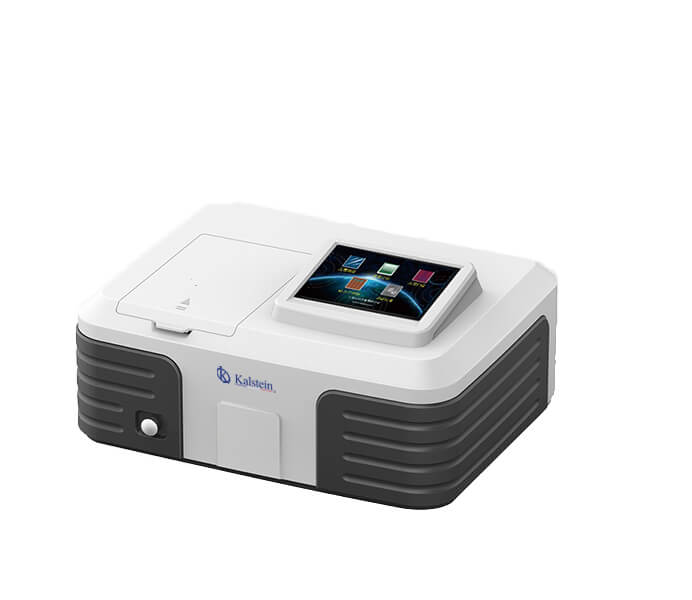
Understanding ISO/IEC Compliance for Double Beam Spectrophotometers
In laboratory settings, achieving compliance with ISO/IEC standards is critical for maintaining quality assurance and operational efficiency. Double beam spectrophotometers play a vital role in various analytical applications, and understanding how they align with ISO/IEC norms is essential for laboratory professionals. This article delves into the significance of ISO/IEC compliance for double beam spectrophotometers, highlighting key models and their capabilities in meeting regulatory standards.
ISO/IEC Norms and Their Importance in Laboratories
ISO/IEC standards ensure that laboratories operate with consistency and reliability. ISO 17025 outlines the requirements for testing and calibration laboratories, emphasizing the importance of equipment calibration, quality management, and traceability. For double beam spectrophotometers, compliance with these standards guarantees accurate and reliable experimental results, which is essential for fields such as pharmaceuticals, environmental monitoring, and academic research.
Key ISO/IEC Standards Relevant to Double Beam Spectrophotometers
The following ISO/IEC standards are particularly relevant for laboratories utilizing double beam spectrophotometers:
- ISO 17025: Focuses on the competence of testing and calibration laboratories.
- ISO 15189: Specifies requirements for quality and competence in medical laboratories.
- IEC 61010: Addresses safety requirements for electrical equipment for measurement, control, and laboratory use.
Each of these standards plays a role in ensuring that the instrumentation used in laboratories meets high-quality benchmarks.
Calibration and Traceability in Double Beam Spectrophotometers
Calibration is pivotal in maintaining the accuracy and reliability of spectrophotometric measurements. ISO/IEC standards necessitate that laboratories have traceable calibration methods to national or international standards. This ensures that readings taken with double beam spectrophotometers are valid and reproducible across different laboratories. Models like the YR01862 and YR01862-1 are equipped with advanced calibration features that facilitate compliance with these traceability requirements.
Comparison of Available Models
| Model | ISO/IEC Clauses Covered | Traceability Features | Best For |
|---|---|---|---|
| YR01858 | ISO 17025 | Auto calibration with accuracy ±0.5 nm | General laboratory applications |
| YR01862 | ISO 17025, IEC 61010 | Independent optical path calibration | Precise quantitative analysis |
| YR01862-1 | ISO 17025 | Full wavelength scanning 190-1100 nm | Advanced research applications |
| YR01862-2 | ISO 17025, IEC 61010 | Sealed structure reducing parasitic light | Environmental testing |
| YR01864 | ISO 15189 | Automated data analysis and reporting | Clinical laboratory settings |
| YR01865 | ISO 15189 | High stability and low noise measurement | Pharmaceutical applications |
Common Mistakes and How to Avoid Them
Laboratory professionals often encounter several pitfalls when ensuring ISO/IEC compliance with double beam spectrophotometers. Common mistakes include inadequate documentation of calibration processes, failure to conduct routine maintenance, and neglecting to train personnel on compliance standards. To avoid these mistakes, laboratories should implement comprehensive training programs, maintain detailed records of equipment calibration, and regularly review compliance protocols.
Deep Dive: Model Analysis and Compliance Features
YR01858: Versatile Performance in Compliance
The YR01858 model offers a strong data analysis system that aids in fulfilling ISO/IEC compliance. Its capabilities for establishing calibration curves and conducting multiple analyses make it suitable for various laboratory environments. With a wavelength range of 320-1100 nm and a photometric accuracy of ±0.3% T, it supports reliable results crucial for compliance with ISO 17025.
YR01862: Advanced Technology Meeting Regulatory Needs
The YR01862 model, with its dual optical path and advanced stability, significantly enhances the reliability of measurements, making it compliant with both ISO 17025 and IEC 61010 standards. This model is especially effective in quantitative analysis, where accuracy is paramount.
YR01862-1: Comprehensive Scanning for Broader Applications
For laboratories requiring extensive wavelength coverage, the YR01862-1 provides scanning from 190-1100 nm, which is essential for compliance with stringent regulations in high-level research applications. Its sealed design effectively reduces interference from environmental factors, maintaining measurement integrity.
YR01864 and YR01865: Clinical and Pharmaceutical Relevance
Both the YR01864 and YR01865 models cater specifically to clinical and pharmaceutical laboratories. Their compliance with ISO 15189 ensures that they meet the necessary safety and quality standards required in medical testing environments.
Frequently Asked Questions
What ISO standards do double beam spectrophotometers need to comply with?
Double beam spectrophotometers should primarily comply with ISO 17025 for testing laboratories and ISO 15189 for medical laboratories. Models like YR01862 ensure adherence to these standards, providing necessary features for calibration and quality assurance.
How does calibration affect the compliance of double beam spectrophotometers?
Calibration directly impacts compliance with ISO/IEC standards, as it ensures that measurements are accurate and traceable. Models such as YR01858 feature automatic calibration capabilities that assist laboratories in meeting ISO 17025 requirements effectively.
Which model is best for ISO 17025 compliance in a laboratory?
The YR01862 is highly suitable for laboratories aiming for ISO 17025 compliance due to its dual optical path design and advanced calibration features, ensuring reliable and accurate measurements crucial for regulatory adherence.
How often should double beam spectrophotometers be calibrated for compliance?
Calibration frequency for double beam spectrophotometers, like the YR01864, typically depends on laboratory usage and regulatory requirements, but it is recommended to perform calibration at least once a month or before critical measurements to maintain compliance with ISO standards.
What features should I look for in compliant double beam spectrophotometers?
When selecting compliant double beam spectrophotometers, look for features such as automatic calibration, wide wavelength ranges, and low measurement uncertainties. Models like the YR01862-1 provide these features to ensure reliable compliance with ISO regulations.
Can double beam spectrophotometers be integrated into LIMS for better compliance management?
Yes, many double beam spectrophotometers, including the YR01865, can be integrated into Laboratory Information Management Systems (LIMS). This integration helps in maintaining better compliance management by automating data recording and analysis.
What are the implications of non-compliance in laboratory settings?
Non-compliance with ISO/IEC standards can result in inaccurate results, loss of credibility, and potential legal ramifications. Therefore, using compliant models like YR01862 is vital for maintaining laboratory integrity and regulatory adherence.
If you are looking for a fusion of innovation and quality, you have come to the right place. At Kalstein, we offer you the luxury of exploring our exclusive catalog of laboratory equipment. We manufacture every device to the highest standards of excellence. Our intuitive and seamless online purchasing channels are designed for your convenience, securing the most competitive prices. Hesitate no longer — we bring science to life, it is time to become part of our community.