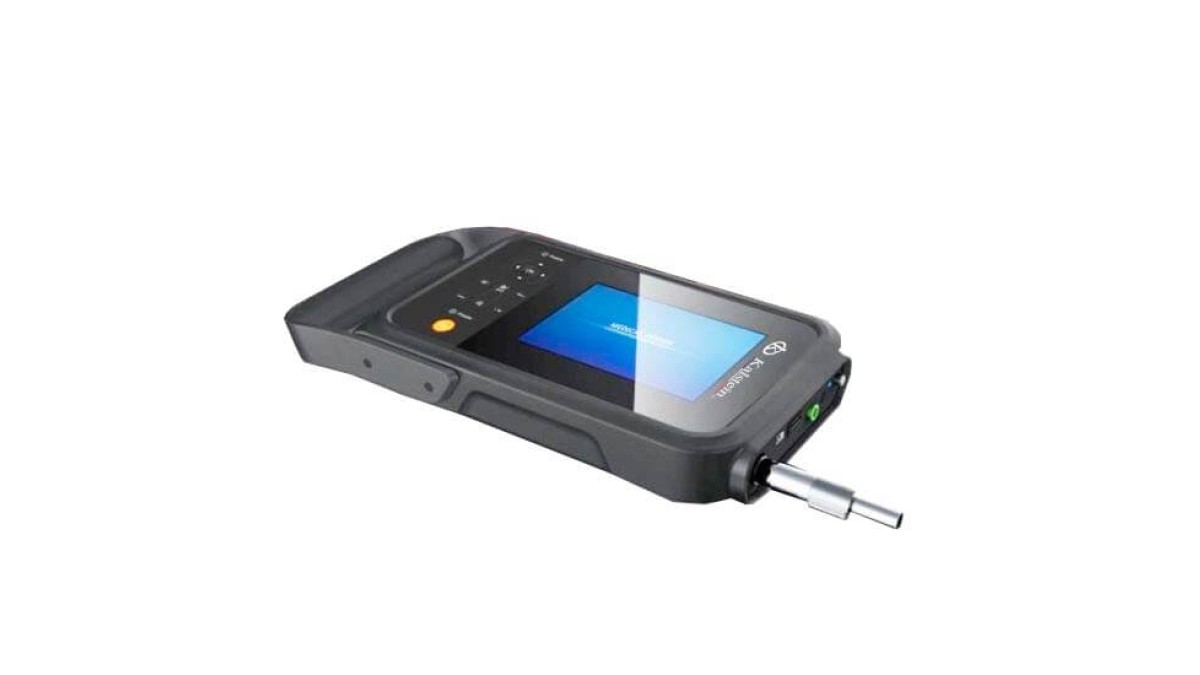
Ultrasonic Diagnostic Equipment: Practical Applications and Techniques 2026
In the evolving landscape of laboratory diagnostics, ultrasonic diagnostic equipment plays a crucial role in providing real-time imaging and data collection across various medical and veterinary fields. This article serves as a comprehensive guide to understanding the applications and techniques involved in using this essential diagnostic tool in 2026.
What is it used for in 2026
In 2026, ultrasonic diagnostic equipment is utilized for a variety of applications in medical and veterinary practices. It is primarily used for imaging internal structures, assessing organ functioning, and guiding interventional procedures. Diagnostic ultrasound is a non-invasive procedure that allows healthcare professionals to visualize soft tissues and organs, making it invaluable in obstetrics, cardiology, urology, and emergency medicine.
History and evolution of the technology
The evolution of ultrasonic diagnostic equipment dates back to the early 20th century when ultrasound was first utilized for industrial applications. Over the decades, this technology transitioned into the medical field, gaining popularity in obstetric imaging and cardiac diagnostics. Advances in signal processing, transducer design, and imaging software have significantly improved the accuracy and usability of ultrasonic equipment, paving the way for portable and user-friendly models seen today.
How to use it step by step
Using ultrasonic diagnostic equipment involves a series of steps to ensure accurate imaging and effective results. Here is a step-by-step guide:
- Preparation: Ensure that the equipment is clean and calibrated. Gather necessary supplies like gel and probes.
- Patient preparation: Explain the procedure to the patient and ensure they are comfortable. Apply the ultrasound gel to the area of interest.
- Probe selection: Choose the appropriate probe based on the examination type (linear or convex).
- Adjust settings: Configure the equipment settings based on the specific examination protocols.
- Image acquisition: Move the probe across the targeted area to obtain images, adjusting position and angles as required.
- Documentation: Save and document the images and any findings in the patient’s record.
- Post-procedure care: Ensure the patient is comfortable and address any questions they may have.
Best techniques and protocols
To maximize the effectiveness of ultrasonic diagnostic equipment, following best practices and established protocols is essential. Techniques include:
- Using adequate gel: Apply sufficient ultrasound gel to ensure optimal contact between the probe and skin.
- Optimizing image settings: Adjust gain, depth, and focus settings based on the needs of the examination.
- Regular training: Ensure that operators are well-trained in using the equipment and interpreting results.
Practical applications by laboratory type
Ultrasonic diagnostic equipment is applied in various laboratory settings:
- Veterinary clinics: Used for examinations of animals, pregnancy checks, and cardiac assessments.
- Human healthcare: Applied in obstetrics for fetal imaging, cardiology for heart assessments, and emergency settings for trauma evaluations.
Regulations, standards and certifications
In 2026, ultrasonic diagnostic equipment must comply with specific regulations and standards to ensure safety and efficacy. These include:
- FDA regulations: Equipment must be approved by the Food and Drug Administration to ensure safety for medical use.
- ISO standards: Compliance with ISO standards ensures quality management and safety for users and patients.
Comparison with alternative technologies
Ultrasonic diagnostic equipment offers distinct advantages over alternative diagnostic technologies, such as CT scans and MRIs:
- Cost-effective: Ultrasound is generally less expensive than CT and MRI.
- Real-time imaging: Provides immediate results, crucial for emergency diagnostics.
- No radiation exposure: Unlike CT scans, ultrasound does not use harmful radiation.
Comparison of available models
| Model | Best for | Key specs | Recommended use case |
|---|---|---|---|
| YR05146 | Veterinary ultrasound | Weight: 0.5 kg, LCD monitor 7.0". | Portable diagnostics in veterinary settings. |
| YR05147 | Obstetric and gynecological exams | 15" LED monitor, 3D imaging capabilities. | OB/GYN practices and vascular assessments. |
| YR05154 | General ultrasound | Weight: TBD, dimensions: TBD. | Applications in various diagnostics. |
| YR05154-1 | Tablet-based diagnostics | Weight: TBD, dimensions: TBD. | Mobile applications in diagnosis. |
| YR05155 | General ultrasound | Weight: TBD, dimensions: TBD. | Versatile use across different types of exams. |
| YR05155-1 | Tablet-based diagnostics | Weight: TBD, dimensions: TBD. | Convenient for on-the-go assessments. |
Common mistakes and how to avoid them
Operators may encounter several common pitfalls when using ultrasonic diagnostic equipment. To ensure accurate results, consider the following:
- Inadequate preparation: Always ensure the equipment is ready and properly calibrated before use.
- Poor image quality: Adjust settings and ensure good contact with the skin to avoid artifacts in images.
- Lack of documentation: Always document findings immediately to maintain accuracy in patient records.
Maintenance, calibration and good practices 2026
Regular maintenance and calibration are essential to keep ultrasonic diagnostic equipment functioning effectively:
- Routine cleaning: Clean the probes and surfaces after each use to prevent contamination.
- Scheduled calibration: Follow manufacturer recommendations for calibration to ensure accuracy in measurements.
Cost-benefit analysis 2026
When evaluating the investment in ultrasonic diagnostic equipment, consider both upfront costs and long-term benefits:
- Initial costs: Compare prices across models to find the best fit for your needs.
- Long-term savings: Factor in reduced costs associated with accurate diagnostics and quick results.
Frequently asked questions
What should I consider when choosing ultrasonic diagnostic equipment?
When selecting ultrasonic diagnostic equipment, consider factors such as the type of imaging you require, the specific applications you will use it for, and the portability of the device. Evaluate the features that are critical for your practice to ensure you meet patient needs effectively.
How often should ultrasound equipment be calibrated?
Ultrasound equipment should be calibrated regularly as per manufacturer recommendations, typically every 6 to 12 months, to ensure its accuracy and reliability in providing quality imaging.
Can ultrasound equipment be used for all types of patients?
Yes, ultrasonic diagnostic equipment can be utilized across various patient demographics, including pediatric, adult, and veterinary patients. However, specific probes and settings may need to be adjusted based on the patient's anatomy.
What are the best practices for operating ultrasound equipment?
Best practices include ensuring proper training for operators, maintaining equipment cleanliness, using adequate gel, and following specific protocols to enhance image quality and diagnostic accuracy.
Is it safe to use ultrasound for pregnant patients?
Yes, ultrasound is considered a safe imaging technique for pregnant patients as it does not involve ionizing radiation, making it a preferred method for prenatal assessments.
How do I ensure the quality of ultrasound images?
To ensure high-quality ultrasound images, adjust the settings for depth and gain, maintain proper contact with the skin, and use appropriate transducers for the area of interest.
Where can I request a quote for ultrasonic diagnostic equipment?
You can request a quote for ultrasonic diagnostic equipment by contacting our customer service team, who will assist you with your needs and provide you with competitive pricing options.
If you are looking for a fusion of innovation and quality, you have come to the right place. At Kalstein, we offer you the luxury of exploring our exclusive catalog of laboratory equipment. We manufacture every device to the highest standards of excellence. Our intuitive and seamless online purchasing channels are designed for your convenience, securing the most competitive prices. Hesitate no longer — we bring science to life, it is time to become part of our community.