How Can Ultrasonic Diagnostic Equipment Enhance Energy Sustainability in Laboratories?
As laboratories face increasing pressure to minimize their environmental footprint, the adoption of energy-efficient technologies becomes essential. This article delves into ultrasonic diagnostic equipment, a category that not only improves diagnostics but also plays a pivotal role in enhancing energy sustainability and reducing environmental impact.
Understanding Energy Sustainability in Diagnostic Equipment
Energy sustainability refers to the efficient use of energy resources in a way that meets present needs without compromising future generations. In the context of ultrasonic diagnostic equipment, this involves reducing energy consumption, minimizing waste, and enhancing the recyclability of equipment components. As energy costs rise and regulations tighten, laboratories must embrace technologies that align with these principles.
Benefits of Ultrasonic Diagnostic Equipment in Energy Management
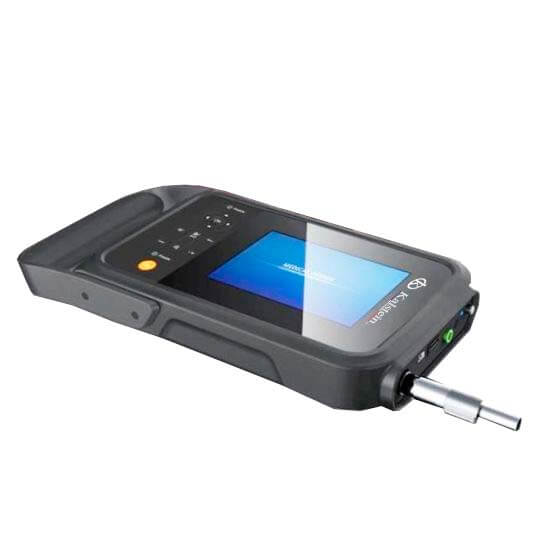
Ultrasonic diagnostic equipment offers several advantages that contribute to energy sustainability. For example, many models are designed with energy-saving features such as low power consumption during operation and standby modes that drastically reduce energy usage when not in active use. Moreover, lightweight and portable models, like the Veterinary Ultrasound with Professional Rectal Probe YR05146, enable field-based diagnostics, which reduces the need for extensive energy consumption in lab environments.
Key Energy Consumption Metrics for Evaluating Models
When assessing ultrasonic diagnostic equipment for energy sustainability, various metrics should be considered:
- Operational Power Consumption: The amount of energy consumed during standard operation.
- Standby Energy Use: The energy consumed when the unit is on standby mode.
- Battery Life: Longer battery life implies less frequent charging, therefore reducing total energy consumption.
- Material Recyclability: The extent to which the equipment can be recycled at the end of its lifecycle.
Comparison of Available Models
| Model | Operational Power (W) | Standby Consumption (W) | Battery Life (hours) | Best For |
|---|---|---|---|---|
| YR05146 | 15 | 2 | 3 | Veterinary diagnostics |
| YR05147 | 25 | 3 | 3 | Obstetrics and gynecology |
| YR05154 | 20 | 2.5 | 3 | General diagnostics |
| YR05155 | 18 | 2 | 3 | Cardiology |
Common Mistakes and How to Avoid Them
When selecting ultrasonic diagnostic equipment, labs often overlook energy consumption factors. Failing to assess the equipment’s operational and standby power usage can lead to increased operational costs and a larger environmental footprint. To avoid these mistakes, labs should conduct thorough research on energy metrics and consider models like the 3D4D Obstetric Ultrasound GYN YR05147, which provides detailed energy consumption data.
Energy Consumption and Waste Reduction Techniques
Implementing effective energy consumption and waste reduction techniques can significantly enhance the sustainability of laboratory operations. Utilizing ultrasonic diagnostic equipment with energy-efficient designs helps to minimize unnecessary energy use during operations and standby periods. Additionally, regular maintenance and calibration of diagnostic devices ensure optimal performance, leading to reduced energy consumption and waste.
Lifecycle Assessment of Ultrasonic Diagnostic Equipment
A lifecycle assessment (LCA) evaluates the environmental impacts associated with all the stages of a product's life, from raw material extraction through production, use, and disposal. In the context of ultrasonic diagnostic equipment, labs should prioritize models designed for longevity and efficiency, like the SUN-P1 and Tablet YR05154-1, which not only offer enhanced diagnostic capabilities but also minimize environmental impact over their lifetime.
Frequently Asked Questions
What energy-saving features should I look for in ultrasonic diagnostic equipment?
When considering ultrasonic diagnostic equipment, look for models such as the Veterinary Ultrasound with Professional Rectal Probe YR05146 that feature low operational power consumption, energy-efficient standby modes, and longer battery life to support energy sustainability.
How can ultrasonic diagnostic equipment help reduce lab energy consumption?
Ultrasonic diagnostic equipment like the 3D4D Obstetric Ultrasound GYN YR05147 can reduce lab energy consumption by utilizing low power designs and efficient battery technology, enabling longer operation times without excessive charging, thus minimizing energy waste.
What is the importance of standby power consumption in diagnostic equipment?
Standby power consumption is crucial in diagnostic equipment as it can contribute to substantial energy waste. Choosing models like YR05155, which feature low standby consumption of around 2W, helps labs reduce their overall energy usage.
How does battery life impact the energy efficiency of diagnostic tools?
Battery life directly impacts energy efficiency by reducing the frequency of recharging cycles. Models like the YR05147 can run for over 3 hours, decreasing the need for constant recharging and thus lowering energy consumption.
Which ultrasonic diagnostic equipment offers the best features for environmental sustainability?
Models such as the SUN-P1 and Tablet YR05154-1 provide advanced features that enhance environmental sustainability, including efficient energy use during operation and the potential for recyclability at the end of their lifecycle.
How can labs assess the energy efficiency of their ultrasonic diagnostic equipment?
Labs can assess energy efficiency by evaluating operational power consumption, standby usage, and battery life specifications. For instance, models like YR05146 highlight operational efficiencies that can be quantified for better sustainability planning.
What are the best practices for minimizing waste with ultrasonic diagnostic equipment?
Best practices include selecting energy-efficient models, regular maintenance for optimal performance, and ensuring proper recycling at the end of the equipment’s life. Utilizing devices like YR05155-1 can support these goals through their sustainable design.
Why is lifecycle assessment important for ultrasonic diagnostic equipment?
Lifecycle assessment is crucial as it evaluates the environmental impacts from production to disposal. Choosing models designed with sustainability in mind, such as the YR05154, can significantly reduce a lab's overall carbon footprint.
For those interested in optimizing energy sustainability in diagnostics, Kalstein offers a wide range of options. Request a quote today to explore how our ultrasonic diagnostic equipment can fit your laboratory needs.
If you are looking for a fusion of innovation and quality, you have come to the right place. At Kalstein, we offer you the luxury of exploring our exclusive catalog of laboratory equipment. We manufacture every device to the highest standards of excellence. Our intuitive and seamless online purchasing channels are designed for your convenience, securing the most competitive prices. Hesitate no longer — we bring science to life, it is time to become part of our community.