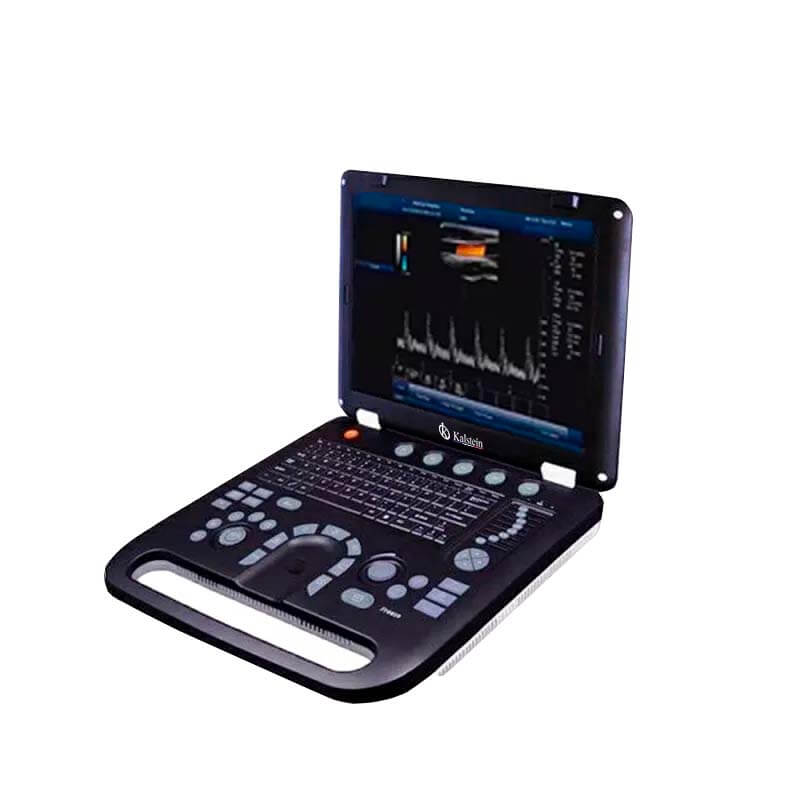
Ultrasonic Color Doppler Diagnostic System: Practical Step-by-Step Guide in 2026
The Ultrasonic Color Doppler Diagnostic System plays a crucial role in modern medical diagnostics, providing real-time imaging of blood flow and tissue. This article presents a comprehensive guide for laboratory professionals on how to effectively use this technology in 2026, covering its applications, techniques, and best practices.
What is it used for in 2026
In 2026, Ultrasonic Color Doppler Diagnostic Systems are widely utilized in various medical fields including cardiology, obstetrics, gynecology, urology, and vascular studies. They are essential for assessing blood flow in vessels, detecting abnormalities, and monitoring fetal health during pregnancy. The technology provides high-resolution images that assist healthcare professionals in making informed diagnoses and treatment plans.
History and evolution of the technology
The development of ultrasound technology began in the early 20th century, with significant advancements occurring in the 1950s when Doppler effects were first applied to medical imaging. Over the decades, improvements in computer technology and imaging algorithms have led to enhanced image quality and diagnostic capabilities. By 2026, the integration of advanced software and artificial intelligence has further optimized the accuracy and efficiency of Ultrasonic Color Doppler systems.
How to use it step by step
Using an Ultrasonic Color Doppler Diagnostic System involves several key steps:
- Preparation: Ensure the machine is properly calibrated and all necessary accessories are available.
- Patient Preparation: Explain the procedure to the patient and position them comfortably.
- Transducer Application: Apply a suitable gel to the skin and place the transducer on the area of interest.
- System Configuration: Set the appropriate imaging modes and parameters based on the clinical requirement.
- Image Acquisition: Capture images while ensuring optimal positioning of the transducer for clear visuals.
- Analysis: Review the images in real-time, utilizing Doppler modes to assess blood flow.
- Documentation: Save and print necessary reports according to the facility's protocols.
Best techniques and protocols
To maximize the effectiveness of Ultrasonic Color Doppler systems, consider the following techniques:
- Use of high-frequency transducers for improved image resolution.
- Maintaining a stable hand position during image capture to avoid motion artifacts.
- Regularly updating software and performing routine maintenance checks.
- Adhering to established protocols for specific examinations to ensure consistency in results.
Practical applications by laboratory type
Different laboratories utilize Ultrasonic Color Doppler systems in varied applications:
- Cardiology Labs: Assessing heart function and detecting vascular issues.
- Obstetric/Gynecological Labs: Monitoring fetal growth and detecting anomalies.
- Vascular Labs: Evaluating blood flow in peripheral arteries and veins.
- Urology Labs: Diagnosing kidney stones and other urinary tract conditions.
Regulations, standards and certifications
In 2026, adherence to regulations and standards is vital for safe and effective use of diagnostic equipment. Key regulations include:
- ISO 13485 for quality management systems in medical devices.
- FDA approval for devices used in the United States.
- DICOM standards for medical imaging interoperability.
Comparison with alternative technologies
When compared to other imaging technologies, such as MRI or CT scans, Ultrasonic Color Doppler systems offer distinct advantages:
- Cost-Effectiveness: Generally lower operational costs.
- Real-Time Imaging: Immediate feedback during procedures.
- Portability: Many models are portable and can be used at the bedside.
Comparison of available models
| Model | Best for | Key specs | Recommended use case |
|---|---|---|---|
| YR05148 | General Ultrasound Applications | 15" LED, Dual Color, DICOM 3.0 | Routine examinations and diagnostics |
| YR05149 | Mobile Ultrasound Needs | 15" LED, 4 USB Ports | Emergency and bedside imaging |
| YR05150 | Comprehensive Diagnostic Imaging | Portable, 2D/3D Imaging | Cardiology and urology applications |
| YR05151 | Large Patient Volume Facilities | High Quality Imaging, 4 Probe Ports | Large hospitals and clinics |
| YR05152 | Specialized Heart Tests | 15" Screen, 4D Function | Specific cardiac examinations |
| YR05153 | Flexible Diagnostic Environments | Portable, Adjustable Area Print | Outpatient services and home visits |
Common mistakes and how to avoid them
To ensure optimal results, avoid the following common mistakes:
- Neglecting to properly prepare the patient and equipment.
- Inadequate training on device operation leading to misinterpretation of results.
- Not following established protocols which could compromise diagnostic quality.
Maintenance, calibration and good practices 2026
Routine maintenance is essential for consistent performance:
- Calibrate devices regularly according to manufacturer guidelines.
- Keep the equipment clean and ensure gel and transducer hygiene.
- Train staff continuously to keep up with advancements in technology.
Cost-benefit analysis 2026
Investing in Ultrasonic Color Doppler systems presents excellent value:
- Lower cost compared to alternative imaging systems.
- Enhanced patient care with quick and non-invasive diagnostics.
- Increased throughput in busy medical facilities due to efficiency.
Frequently asked questions
What should I consider when choosing an Ultrasonic Color Doppler system?
Consider factors such as the specific medical applications required, portability, software capabilities, and the level of customer support offered by the manufacturer.
How do I ensure proper maintenance of the equipment?
Regularly check and calibrate the device according to the manufacturer's instructions, keep it clean, and store it in a controlled environment.
What are the best practices for obtaining quality images?
Use an appropriate amount of gel, ensure proper transducer positioning, and select the correct imaging modes for the area being examined.
How often should training be provided for staff?
Training should be ongoing, with refreshers at least annually or whenever new technology or protocols are introduced.
Can the systems be used for both adult and pediatric patients?
Yes, most Ultrasonic Color Doppler systems are versatile and can be used for patients of all ages, though some adjustments may be needed for pediatric applications.
What is the average lifespan of these systems?
With proper care and maintenance, Ultrasonic Color Doppler systems can last 7-10 years before requiring major upgrades or replacements.
What are the benefits of using DICOM compliance?
DICOM compliance ensures that your imaging systems can easily share and store images across multiple platforms, facilitating collaboration and patient care.
If you are looking for a fusion of innovation and quality, you have come to the right place. At Kalstein, we offer you the luxury of exploring our exclusive catalog of laboratory equipment. We manufacture every device to the highest standards of excellence. Our intuitive and seamless online purchasing channels are designed for your convenience, securing the most competitive prices. Hesitate no longer — we bring science to life, it is time to become part of our community.