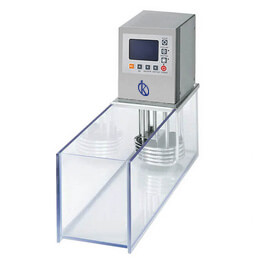
Transparent Water Baths: Common Mistakes and How to Avoid Them in Daily Operation 2026
Transparent Water Baths are vital pieces of laboratory equipment widely used for various applications such as tissue culture, enzymatic reaction studies, and growth observation. Understanding how to effectively use these devices, avoid common pitfalls, and implement best practices is essential for laboratory professionals.
What is it used for in 2026
In 2026, Transparent Water Baths serve multiple purposes in laboratories. They are primarily used for maintaining specific temperatures for different experiments. The temperature range typically reaches from room temperature to 80°C, allowing for a variety of applications such as:
- Tissue Culturing: Providing a controlled environment for cell growth.
- Enzymatic Reactions: Facilitating temperature-sensitive reactions.
- Growth Observations: Monitoring biological processes under stable conditions.
History and evolution of the technology
The evolution of water bath technology has significantly impacted laboratory practices. Initially, water baths were simple heated containers. Over the decades, advancements have led to the development of transparent designs that provide better visibility and control over the experiments. The integration of digital controls, enhanced temperature stability, and improved materials has made modern Transparent Water Baths more reliable and efficient.
How to use it step by step
Step 1: Setup
Choose a stable surface to place the water bath. Ensure it is level and away from drafts or direct sunlight.
Step 2: Fill the Water Bath
Fill the bath with distilled water to the recommended level, which is often indicated inside the tank.
Step 3: Set the Temperature
Using the control panel, set the desired temperature according to the protocol of your experiment.
Step 4: Allow to Heat
Wait until the water bath reaches the set temperature before placing samples inside.
Step 5: Monitor the Temperature
Regularly check the temperature to ensure it remains stable during your experiment.
Best techniques and protocols
Implementing best practices enhances the effectiveness of Transparent Water Baths:
- Regular calibration is essential to ensure temperature accuracy.
- Use appropriate water levels to prevent overheating and temperature fluctuations.
- Avoid crowding the bath with too many samples; it can affect temperature uniformity.
Practical applications by laboratory type
Biological Laboratories
Biological labs utilize Transparent Water Baths for tissue culture work, ensuring consistent temperature.
Chemical Laboratories
These labs use water baths for temperature-sensitive reactions, making them critical for research and development.
Environmental Testing Laboratories
For environmental samples, maintaining optimal temperatures is crucial for accurate results.
Regulations, standards and certifications
Laboratories must adhere to various regulations, including:
- ISO standards for laboratory equipment.
- Good Laboratory Practice (GLP) guidelines.
- Specific industry certifications that ensure quality control.
Comparison with alternative technologies
While Transparent Water Baths are widely used, alternative technologies such as dry baths or incubators exist. However, they may lack the precise temperature control and visibility offered by water baths.
Comparison of available models
| Model | Best for | Key specs | Recommended use case |
|---|---|---|---|
| YR05080 | Basic laboratory applications | Capacity: 10L, Temp: RT to 80°C, Power: 1.0kW | Ideal for small experiments and routine tasks. |
| YR05081 | Medium-scale tissue culturing | Capacity: 16L, Temp: RT to 80°C, Power: 1.5kW | Best for larger samples and more demanding applications. |
| YR05082 | Advanced enzymatic reactions | Capacity: 23L, Temp: RT to 80°C, Power: 1.5kW | Recommended for extensive research requiring precise temperature control. |
Common mistakes and how to avoid them
Many users encounter issues when operating Transparent Water Baths:
- Overfilling the Bath: Leads to spillage and disruption. Always adhere to the fill line.
- Ignoring Calibration: Skipped calibration can result in inaccurate temperatures. Regularly calibrate your equipment.
- Poor Placement: Placing the bath in a drafty area affects temperature stability. Ensure it is in a controlled environment.
Maintenance, calibration and good practices 2026
Proper maintenance includes:
- Regular cleaning to prevent contamination.
- Periodic calibration using certified equipment.
- Routine inspections to check for wear and tear.
Cost-benefit analysis 2026
The investment in a Transparent Water Bath can lead to significant benefits:
- Enhanced accuracy and reliability in experiments.
- Reduction in experimental failure rates.
- Long-term savings on resources due to improved efficiency.
Frequently asked questions
What temperature should I set for tissue culturing?
The ideal temperature for tissue culturing typically ranges from 37°C to 40°C, depending on the type of cells being cultured.
How often should I calibrate my water bath?
It is recommended to calibrate your water bath at least once every six months or whenever you notice inconsistencies in temperature readings.
Can I use tap water in my water bath?
Using distilled water is preferred as tap water may contain impurities that can affect experiments.
What is the importance of monitoring temperature during experiments?
Consistent temperature is critical in many experiments as fluctuations can lead to inaccurate results and experimental failure.
How can I improve temperature stability in a water bath?
Avoid placing too many samples in the bath and ensure proper insulation by keeping the lid closed when not in use.
Are there specific cleaning protocols for water baths?
Yes, use non-corrosive cleaning agents and ensure that the bath is unplugged and cooled before cleaning.
What are the best practices for using a Transparent Water Bath?
Follow the manufacturer's guidelines, ensure regular maintenance, and avoid overcrowding with samples to maintain temperature uniformity.
If you are looking for a fusion of innovation and quality, you have come to the right place. At Kalstein, we offer you the luxury of exploring our exclusive catalog of laboratory equipment. We manufacture every device to the highest standards of excellence. Our intuitive and seamless online purchasing channels are designed for your convenience, securing the most competitive prices. Hesitate no longer — we bring science to life, it is time to become part of our community.