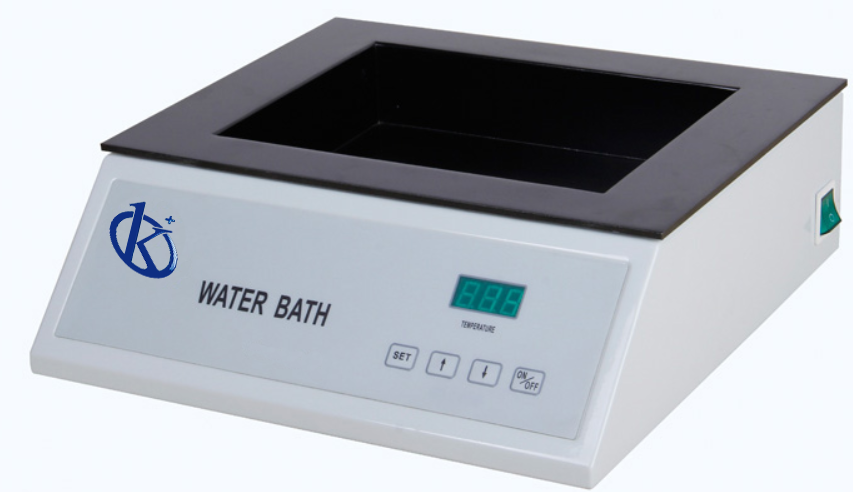
Tissue Water Baths: Best Techniques and Current Protocols 2026
Tissue water baths play a crucial role in various laboratory processes, providing controlled heating environments essential for histological studies and specimen preparation. In 2026, understanding the practical applications and techniques for using tissue water baths can enhance laboratory efficiency and accuracy.
What is it used for in 2026
In 2026, tissue water baths are utilized extensively in histopathology and laboratory settings for several applications, including:
- Maintaining temperature stability for embedding tissue samples.
- Melting paraffin wax used in tissue processing.
- Facilitating the flotation of tissue sections during microtomy.
- Heating samples for enzymatic reactions or dye applications.
These baths ensure precise control of temperature, which is critical for achieving uniform results in laboratory procedures. By maintaining optimal conditions, researchers can prevent issues like tissue damage or improper sample preparation.
History and evolution of the technology
The evolution of tissue water baths dates back decades, with initial designs focusing on basic heating elements and manual temperature monitoring. Over the years, advancements have led to the incorporation of microprocessor controls, digital displays, and energy-efficient heating elements. Modern tissue water baths now offer features like:
- Automatic memory functions for preset temperatures.
- Real-time temperature monitoring with digital displays.
- Enhanced materials for durability and corrosion resistance.
These innovations have significantly improved the reliability and ease of use, making them indispensable tools in contemporary laboratories.
How to use it step by step
Using a tissue water bath involves the following steps:
- Setup: Choose a suitable location for the water bath, ensuring it is level and away from direct sunlight.
- Fill the Bath: Add distilled water to the bath to the required level, avoiding overfilling.
- Turn On: Power on the water bath and set the desired temperature using the control panel.
- Temperature Stabilization: Allow the water bath to reach the set temperature before placing samples inside.
- Sample Placement: Carefully place tissue samples or containers into the water, ensuring they are fully submerged.
- Monitoring: Regularly check the temperature display to ensure stability throughout the procedure.
- Power Off: Once the procedure is complete, turn off the water bath and allow it to cool before cleaning.
Following these steps ensures optimal performance and safety during laboratory operations.
Best techniques and protocols
Implementing best practices with tissue water baths includes:
- Calibrating the water bath regularly to ensure accuracy.
- Using distilled water to prevent mineral buildup and contamination.
- Warming the water gradually to avoid sudden temperature fluctuations.
- Documenting temperature settings and operational times for reproducibility.
Protocols should be tailored to specific applications, ensuring that researchers achieve consistent and reliable results.
Practical applications by laboratory type
Tissue water baths are essential in various laboratory settings:
Histopathology Labs
For embedding tissues in paraffin, tissue water baths maintain optimal temperatures, ensuring smooth processing and sectioning.
Research Laboratories
In research, these baths are used for maintaining controlled conditions during enzymatic assays and other biochemical reactions.
Educational Institutions
In academic settings, tissue water baths are used for hands-on training in histology and pathology techniques.
Regulations, standards and certifications
Laboratories must adhere to various standards and regulations when utilizing tissue water baths, including:
- ISO standards for laboratory equipment.
- GLP (Good Laboratory Practices) guidelines for operational procedures.
- Safety standards for electrical appliances used in labs.
Compliance with these regulations ensures that the equipment is safe and effective for use in scientific research.
Comparison with alternative technologies
While tissue water baths are widely used, alternative technologies such as dry heat ovens and cryostats serve specific functions. Key differences include:
- Temperature Control: Water baths provide precise temperature control, while dry heat ovens may have uneven heating.
- Application Suitability: Water baths are ideal for embedding and flotation processes, whereas cryostats are suited for frozen sections.
Choosing the right technology depends on the specific requirements of the laboratory workflow.
Comparison of available models
| Model | Best for | Key specs | Recommended use case |
|---|---|---|---|
| YR449 | Embedding tissues and processing paraffin | Temperature Range: RT to 90℃, 200W, 5kg | Perfect for histopathology labs needing rapid heating |
| YR451 | Real-time temperature monitoring and control | Temperature Range: 0 - 85℃, 400W, 9kg | Ideal for research requiring precise temperature accuracy |
| YR452 | Flotation of tissue sections | Temperature Range: RT - 75℃, 500W, 9kg | Best for laboratories focusing on microtomy techniques |
Common mistakes and how to avoid them
Common issues in using tissue water baths include:
- Incorrect Temperature Setting: Always verify the setting before placement of samples.
- Not Allowing Stabilization Time: Ensure the bath has reached the set temperature before use.
- Overfilling the Bath: Maintain the water level within the recommended range to avoid spills.
Being aware of these mistakes can help ensure effective use of the equipment.
Maintenance, calibration and good practices 2026
Regular maintenance and calibration are essential for the longevity and accuracy of tissue water baths:
- Perform routine cleaning to remove mineral deposits and contaminants.
- Calibrate temperature settings quarterly to ensure precision.
- Inspect electrical components for wear and tear regularly.
Establishing a maintenance schedule will enhance reliability and performance.
Cost-benefit analysis 2026
When considering the purchase of tissue water baths, evaluate the following:
- Initial Investment: Compare the costs of different models based on features and specifications.
- Operating Costs: Assess energy consumption and maintenance requirements.
- Long-term Value: Consider the durability and performance of the equipment to justify the investment over time.
A thorough cost-benefit analysis will guide laboratories in making informed purchasing decisions.
Frequently asked questions
What are the key advantages of using a Tissue Water Bath?
The main advantages include precise temperature control, reliability in maintaining consistent heating, and versatility for various applications in histology and research.
How often should I calibrate my Tissue Water Bath?
It is recommended to calibrate your tissue water bath at least quarterly, or more frequently if used in high-demand situations to ensure accuracy.
Can I use distilled water instead of tap water?
Yes, using distilled water is preferable as it prevents mineral buildup and potential contamination of samples.
What should I do if my Tissue Water Bath is not heating properly?
Check for power issues, ensure that the temperature settings are correct, and inspect for any physical damage. If the problem persists, consult the manufacturer.
What is the maximum temperature for the Tissue Water Bath models?
The maximum temperatures vary by model; for instance, the YR449 goes up to 90℃, while the YR451 has a maximum of 85℃.
How do I maintain my Tissue Water Bath?
Regular cleaning, calibration, and inspection of electrical components are vital for maintaining the functionality and longevity of the device.
Where can I find high-quality Tissue Water Baths?
For high-quality options, consider reputable suppliers and manufacturers specializing in laboratory equipment. You can request a quote to explore the best options.
If you are looking for a fusion of innovation and quality, you have come to the right place. At Kalstein, we offer you the luxury of exploring our exclusive catalog of laboratory equipment. We manufacture every device to the highest standards of excellence. Our intuitive and seamless online purchasing channels are designed for your convenience, securing the most competitive prices. Hesitate no longer — we bring science to life, it is time to become part of our community.