Tissue Processors: Practical Applications and Techniques 2026
Tissue processors are essential laboratory devices used for the processing of tissue specimens, playing a critical role in histopathology and research laboratories. In 2026, these machines continue to evolve, providing enhanced efficiency and reliability for laboratory professionals. This article delves into how tissue processors are utilized in various settings, their historical evolution, step-by-step usage, best practices, applications by laboratory type, regulations, and standards, comparisons with alternative technologies, and a detailed comparison of available models.
What is it used for in 2026
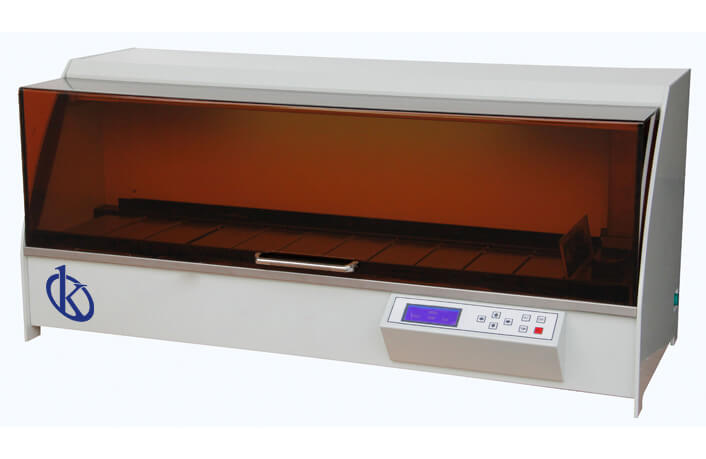
In 2026, tissue processors are used primarily for preparing biological samples for microscopic examination. The devices facilitate the dehydration, clearing, and infiltration of tissue specimens with paraffin or other embedding materials. This crucial step ensures the preservation of cellular structure, which is vital for accurate diagnosis in pathological examinations. Enhanced automation and programmable features in modern tissue processors allow for streamlined workflows, reducing the time and labor involved in manual processing.
History and evolution of the technology
The history of tissue processing technology dates back to the early 20th century, with manual methods being the standard for specimen preparation. Over time, technological advancements led to the development of automated tissue processors, drastically improving processing times and consistency. By the 1990s, programmable machines started to emerge, allowing for a variety of protocols to be executed with minimal human intervention. Today, tissue processors like the YR431-1, YR436-2, YR427, YR428, YR429, and YR431 represent the culmination of decades of technological progression, providing laboratory professionals with powerful tools tailored for diverse processing needs.
How to use it step by step
Using a tissue processor effectively involves several steps:
- Preparation: Gather all necessary materials, including reagents and embedding media. Ensure all equipment is clean and functional.
- Specimen Placement: Load the tissue specimens into the processing cups according to the specific protocol being followed.
- Select Protocol: Choose the appropriate processing program on the machine's interface. Adjust parameters as necessary based on the tissue type and desired outcomes.
- Start the Process: Initiate the processing cycle, monitoring the machine to ensure everything operates correctly.
- Completion and Embedding: Once the cycle is complete, remove the specimens and embed them in paraffin or the chosen medium for sectioning.
- Cleanup: Follow proper protocols for cleaning the machine and disposing of any waste materials safely.
Best techniques and protocols
Best practices for using tissue processors include:
- Following recommended protocols specific to the tissue type being processed.
- Regularly calibrating the machine to maintain precision in temperature control.
- Utilizing high-quality reagents to avoid interference in staining and imaging.
- Performing routine maintenance checks to prevent breakdowns and ensure optimal performance.
Practical applications by laboratory type
Tissue processors find applications across various laboratory settings:
- Clinical Laboratories: Used for processing surgical biopsy specimens for diagnostic purposes.
- Research Laboratories: Essential for preparing samples for experimental studies, enhancing research outcomes.
- Veterinary Pathology: Used in veterinary hospitals for processing animal tissue samples.
Regulations, standards and certifications
Laboratories using tissue processors must adhere to specific regulations and standards to ensure safety and reliability. Key certifications include:
- ISO 13485 for medical devices, ensuring quality management systems.
- Clinical Laboratory Improvement Amendments (CLIA) for laboratory testing standards.
- Local and national regulations regarding the handling and disposal of biological materials.
Comparison with alternative technologies
Alternative technologies for specimen processing include:
- Manual Processing: Often labor-intensive and time-consuming, but allows for flexibility in non-standard protocols.
- Vacuum Infiltration Methods: Provide quicker infiltration but may require specific equipment and training.
Comparison of available models
| Model | Best for | Key specs | Recommended use case |
|---|---|---|---|
| YR431-1 | High-capacity tissue processing | 12 cups, 2000 ml capacity, RT-80℃ | Large laboratories requiring efficient batch processing |
| YR436-2 | Cost-effective processing | 12 cups, specifications vary | Budget-conscious laboratories with moderate volume |
| YR427 | Small laboratory needs | 12 cups, 700 ml capacity, user-friendly | Small labs looking for space-efficient solutions |
| YR428 | Quality section enhancement | 12 cups, 1000 ml capacity, advanced automation | Mid-sized laboratories focused on quality |
| YR429 | High-volume processing | 12 cups, 1500 ml capacity | Labs processing a large number of specimens |
| YR431 | General-purpose processing | 12 cups, 2000 ml capacity, user-friendly interface | Versatile laboratory environments requiring flexibility |
Common mistakes and how to avoid them
Common mistakes in using tissue processors include:
- Improper sample loading: Ensure correct placement to avoid processing errors.
- Ignoring calibration: Regular checks are essential for maintaining accuracy.
- Not following protocols: Deviating from established protocols can lead to poor specimen quality.
Maintenance, calibration and good practices 2026
Maintaining a tissue processor involves:
- Regular cleaning of cups and internal components to prevent contamination.
- Calibrating temperature settings to ensure consistent performance.
- Documenting maintenance activities to comply with laboratory standards.
Cost-benefit analysis 2026
The cost of tissue processors varies, with prices ranging from $4,400 to $11,000. However, the investment is justified through:
- Increased efficiency and reduced labor costs.
- Enhanced quality of processed specimens, leading to better diagnostic outcomes.
- Long-term savings through reduced reagent consumption and time management.
Frequently asked questions
What are the key features to look for when choosing a tissue processor?
When selecting a tissue processor, consider factors such as capacity, processing speed, programmability, and ease of use. It's also important to look for features that align with your laboratory's specific needs, such as temperature control precision and available protocols.
How do I determine the right protocol for my samples?
The right protocol depends on the tissue type and the intended analysis. Often, protocols are provided by the manufacturer, and it's important to follow these guidelines for optimal results. Additionally, consulting with experienced colleagues or literature can aid in protocol selection.
Can tissue processors handle different types of tissues?
Yes, modern tissue processors can adapt to process various tissue types, from soft tissues to more challenging specimens. However, it's crucial to use the appropriate settings and protocols designed for each tissue category.
What maintenance is required for tissue processors?
Routine maintenance includes cleaning the internal components, checking for proper calibration, and replacing worn parts as necessary. Regular maintenance ensures the longevity and performance of the machine.
Are there any safety protocols I should follow when operating a tissue processor?
Yes, always wear appropriate personal protective equipment (PPE) such as gloves and goggles. Ensure that the workspace is well-ventilated, and follow laboratory safety guidelines when handling reagents and tissues.
How can I improve the efficiency of my tissue processing?
Improving efficiency can be achieved by regularly calibrating your equipment, training staff on optimal usage, and selecting appropriate protocols based on specimen types. Automation features can also enhance processing speed.
Where can I request a quote for tissue processors?
You can request a quote for tissue processors and other laboratory equipment directly through our platforms, ensuring you receive the best options tailored to your needs.
If you are looking for a fusion of innovation and quality, you have come to the right place. At Kalstein, we offer you the luxury of exploring our exclusive catalog of laboratory equipment. We manufacture every device to the highest standards of excellence. Our intuitive and seamless online purchasing channels are designed for your convenience, securing the most competitive prices. Hesitate no longer — we bring science to life, it is time to become part of our community.