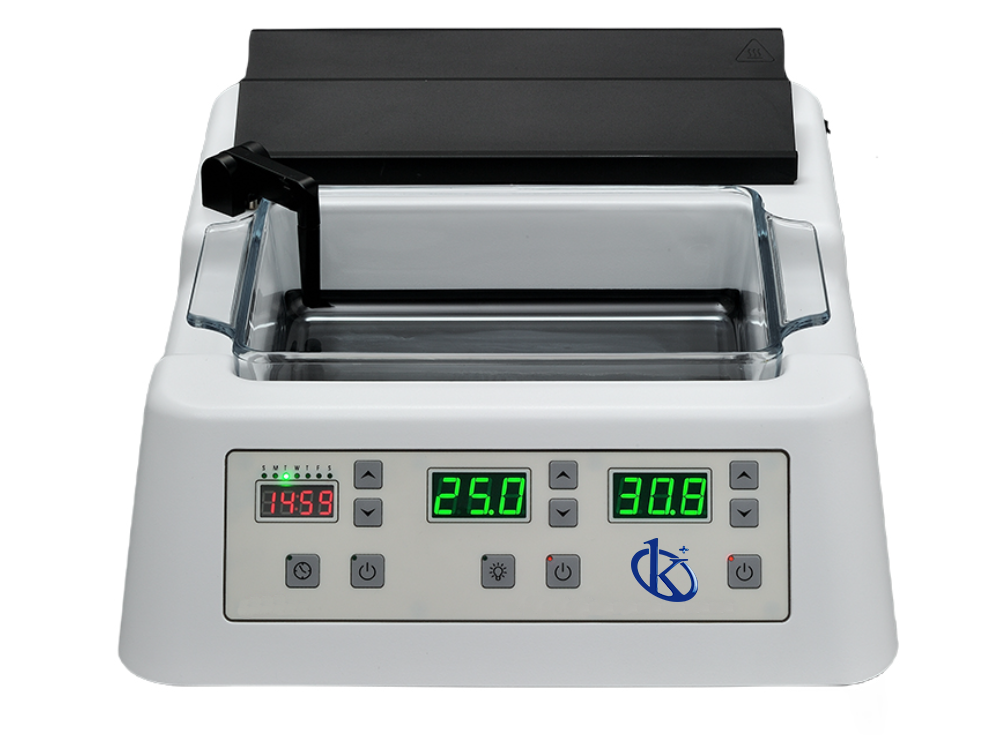
Tissue Flotation: Common Errors and How to Avoid Them in Daily Operations 2026
What is it used for in 2026
Tissue flotation is a crucial technique in pathological anatomy, primarily used for preparing histological samples. This method allows for the proper handling and presentation of tissue sections on slides, ensuring that they are adequately flattened and free from wrinkles or folds before microscopic examination. In 2026, tissue flotation equipment plays an integral role in improving the quality of diagnostic results, facilitating accurate analysis.
History and evolution of the technology
The technology of tissue flotation has evolved significantly since its inception. Early methods relied on manual processes, which were time-consuming and prone to human error. The introduction of water baths and slide dryers marked the beginning of more standardized and efficient practices. Over the years, advancements in microprocessor technology have led to the automation of temperature control, enhancing precision and consistency in tissue preparation. In 2026, modern tissue flotation workstations, such as the YR457-1 and YR456 models, exemplify this evolution by incorporating sophisticated features like digital displays and automatic memory functions.
How to use it step by step
- Setup the workstation: Ensure the water bath is filled to the appropriate level and the temperature is set as per the tissue type.
- Prepare the tissue sample: Cut tissue sections using a microtome and place them in a floating medium.
- Transfer to the water bath: Gently lower the tissue sections onto the surface of the water bath.
- Use the slide dryer: Once the tissue is flattened and expanded, transfer it to a slide for drying.
- Final adjustments: Monitor the temperature throughout to ensure optimal conditions.
Best techniques and protocols
To achieve the best results in tissue flotation, adhere to the following protocols:
- Maintain consistent water temperature to prevent tissue distortion.
- Handle samples with care to avoid tearing or wrinkling.
- Utilize appropriate flotation media that suit the tissue type.
- Regularly calibrate equipment to ensure precision and reliability.
Practical applications by laboratory type
Tissue flotation is utilized across various laboratory settings:
- Clinical Laboratories: For preparing biopsy samples for diagnostic evaluation.
- Research Laboratories: In studies focusing on cellular structures and functions.
- Forensic Laboratories: For analyzing tissue samples in criminal investigations.
Regulations, standards and certifications
Laboratories must comply with local and international regulations regarding tissue handling and analysis. Standards set by organizations such as the Clinical Laboratory Improvement Amendments (CLIA) and the International Organization for Standardization (ISO) provide guidelines to ensure the safety and efficacy of tissue flotation processes. In 2026, adherence to these regulations guarantees that laboratories maintain high operational standards.
Comparison with alternative technologies
While tissue flotation is a widely accepted method, alternative technologies such as cryostat microtomy and air-drying techniques also exist. Each method has its pros and cons:
- Cryostat Microtomy: Offers rapid freezing of samples but may introduce ice artifacts.
- Air-Drying Techniques: Simpler setup but can lead to tissue curling.
Ultimately, tissue flotation remains a preferred choice due to its reliability and precision.
Comparison of available models
| Model | Best for | Key specs | Recommended use case |
|---|---|---|---|
| YR457-1 | Routine tissue preparation | Temperature range RT - 70℃; Power 400W | Ideal for clinics handling diverse tissue types. |
| YR456 | Standardized sample preparation | Temperature range RT - 70℃; Power 800W | Suitable for laboratories requiring consistent results. |
| YR457 | Advanced tissue analysis | Temperature range RT - 70℃; Power 900W | Recommended for research labs focusing on detailed studies. |
Common mistakes and how to avoid them
Common errors in tissue flotation operations include:
- Incorrect temperature settings: Always verify the required temperature for the specific tissue type.
- Improper handling of samples: Use appropriate tools to prevent tearing.
- Neglecting equipment maintenance: Regular checks and calibration are essential for optimal performance.
By being aware of these pitfalls, laboratory personnel can enhance their operational efficiency.
Maintenance, calibration and good practices 2026
Proper maintenance includes:
- Regular cleaning of water baths and slide dryers.
- Calibration checks every six months to ensure temperature accuracy.
- Documentation of maintenance activities to track compliance and performance.
Implementing these practices ensures longevity and reliability of the equipment.
Cost-benefit analysis 2026
Investing in tissue flotation equipment presents significant benefits:
- Improved accuracy: High-quality analysis leads to better diagnostic outcomes.
- Time efficiency: Automated processes reduce labor costs in the long run.
- Versatility: Adaptable to various tissue types enhances laboratory capabilities.
In 2026, the cost-effectiveness of tissue flotation systems is evident in their return on investment through improved operational throughput.
Frequently asked questions
What is the ideal temperature setting for tissue flotation?
The ideal temperature setting generally ranges from room temperature to 70℃, depending on the tissue type. Always refer to specific protocols for each sample.
How do I select the right flotation medium?
Choosing the right flotation medium depends on the tissue type and intended analysis. Popular options include water, buffered saline, or specialized media for specific applications.
Can I use tissue flotation for all types of samples?
While tissue flotation is applicable to most soft tissues, some harder tissues may require alternative preparation methods such as cryostat sectioning.
How often should I maintain my tissue flotation equipment?
Regular maintenance should be performed every six months, with additional checks conducted if the equipment is heavily used or shows any signs of malfunction.
What are the common pitfalls when using tissue flotation?
Common pitfalls include incorrect temperature settings, improper sample handling, and failure to conduct regular maintenance. Awareness and training can help minimize these errors.
How can I ensure accurate results in tissue flotation?
To ensure accurate results, maintain consistent temperature, handle samples carefully, and calibrate equipment regularly to detect any discrepancies.
If you are looking for a fusion of innovation and quality, you have come to the right place. At Kalstein, we offer you the luxury of exploring our exclusive catalog of laboratory equipment. We manufacture every device to the highest standards of excellence. Our intuitive and seamless online purchasing channels are designed for your convenience, securing the most competitive prices. Hesitate no longer — we bring science to life, it is time to become part of our community.