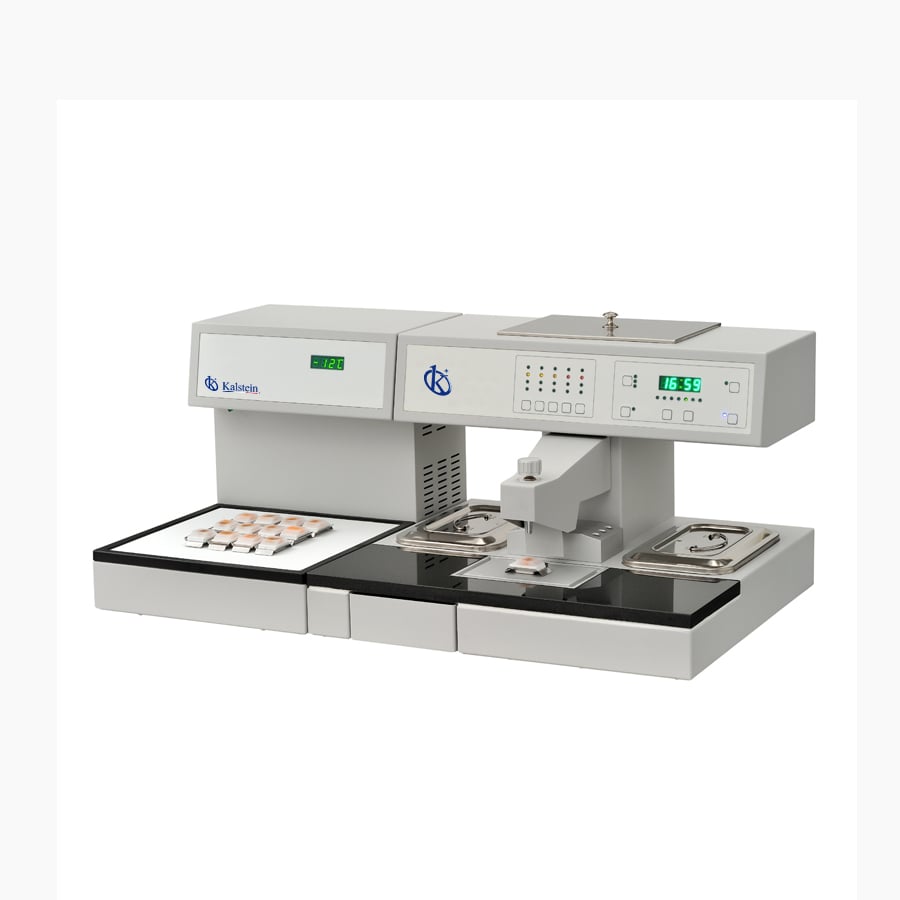
How Tissue Embedding Systems Enhance University Research Projects
Tissue embedding systems are pivotal in histological and pathological laboratories, especially within university research settings. These devices not only streamline the processing of biological samples but also enhance the quality and reproducibility of research findings. This article delves into the various models available, examining their features and suitability for academic projects.
Importance of Tissue Embedding Systems in University Research
In university research, the reliability of histological processes is fundamental. Tissue embedding systems ensure samples are adequately prepared for microscopic analysis, thus influencing the outcomes of research projects. The integration of these systems allows for controlled processing conditions, which are essential for obtaining accurate and reproducible results. The right system can significantly affect research timelines, cost-efficiency, and overall project success.
Comparison of Available Models
| Model | Paraffin Chamber Capacity (liters) | Temperature Range (℃) | Price (USD) | Best For |
|---|---|---|---|---|
| YR441 | 3 | 55 - 70 | 2200.00 | Low to medium throughput labs |
| YR447 | 4 | RT - 85 | 2800.00 | High throughput labs requiring fast processing |
| YR439 | 3 | 55 - 70 | 1300.00 | Budget-conscious labs |
| YR445 | 4 | RT - 85 | 1800.00 | General lab use with moderate needs |
| YR439-1 | >6 | TA-85 | 2100.00 | Advanced research requiring precision |
| YR440B | N/A | 0 to -20 | 1100.00 | Freezing biological samples |
Application of Tissue Embedding Systems in Academic Settings
The integration of tissue embedding systems in academic laboratories promotes efficient workflow and optimizes sample preparation methods. Systems like the YR447 are particularly advantageous due to their high capacity and temperature adaptability, making them suitable for extensive research projects that require large sample sizes to be processed rapidly.
Moreover, the YR441 offers reliable temperature control, which is crucial in maintaining sample integrity during processing. Researchers can pre-program their procedures for flexibility, ensuring that their work aligns with project timelines.
Enhancing Research Quality Through Improved Reproducibility
Quality control is vital in any research project, particularly in histology. Tissue embedding systems that provide consistent temperature regulation and automated functions, such as the YR439, help ensure that researchers achieve reproducible results across different experiments. This consistency is necessary when presenting findings for academic publications or grant applications.
Furthermore, these systems reduce human error, allowing for more reliable data collection and analysis. Consequently, this leads to heightened credibility in research outputs, essential for academic success.
Cost-Effectiveness of Tissue Embedding Systems
Investing in a tissue embedding system can be financially prudent for universities. For instance, the YR439, priced at $1300, balances affordability with essential features that support efficient sample processing. This makes it an attractive option for budget-limited academic institutions.
In contrast, models like the YR447, while more expensive at $2800, offer enhanced capabilities that can lead to faster turnaround times and potentially greater throughput, justifying the initial investment through improved operational efficiency and research output.
Common Mistakes and How to Avoid Them
One common mistake when choosing a tissue embedding system is underestimating the laboratory’s throughput needs. Researchers should assess their typical workflows and select a model that accommodates their demands. For example, a high-throughput lab might overlook a model like the YR439 due to its lower capacity and processing speed.
Additionally, neglecting to consider maintenance and support options can lead to additional costs and downtime. It is crucial to choose models such as the YR447 that are known for their reliability and vendor support.
Frequently Asked Questions
What are the advantages of the YR441 tissue embedding system for academic research?
The YR441 offers significant advantages for academic research, including programmable automation, precise temperature control, and flexibility in operation, making it ideal for various research projects.
How does the YR447 model improve efficiency in university laboratories?
The YR447 model enhances efficiency by providing rapid heating and automated controls, allowing for consistent processing of samples, which is crucial in high-volume university laboratories.
Which tissue embedding system is the most cost-effective for small research teams?
The YR439 is considered the most cost-effective option for small research teams, priced at $1300, while still delivering reliable performance for basic embedding needs.
How can the YR445 model support academic project deadlines?
The YR445 model supports academic project deadlines by offering higher capacity and efficient heating, ensuring that laboratories can keep up with processing demands without delays.
In what scenarios is the YR440B freezer necessary for research projects?
The YR440B freezer is essential for research projects requiring the preservation of biological samples at low temperatures, ensuring sample integrity during long-term storage.
What features make the YR439-1 suitable for advanced research applications?
The YR439-1 features high capacity and advanced temperature control, making it suitable for advanced research applications that require precise sample handling and consistent results.
How do automatic controls in tissue embedding systems enhance reproducibility in results?
Automatic controls in tissue embedding systems, like those in the YR441, enhance reproducibility by ensuring consistent processing conditions, thereby reducing variability in sample preparation across experiments.
Why is it important to consider temperature range when selecting a tissue embedding system?
Considering temperature range is crucial because it affects the quality of embedding; models such as the YR447 offer wider ranges, accommodating a variety of tissue types for more versatile research applications.
If you are looking for a fusion of innovation and quality, you have come to the right place. At Kalstein, we offer you the luxury of exploring our exclusive catalog of laboratory equipment. We manufacture every device to the highest standards of excellence. Our intuitive and seamless online purchasing channels are designed for your convenience, securing the most competitive prices. Hesitate no longer — we bring science to life, it is time to become part of our community.