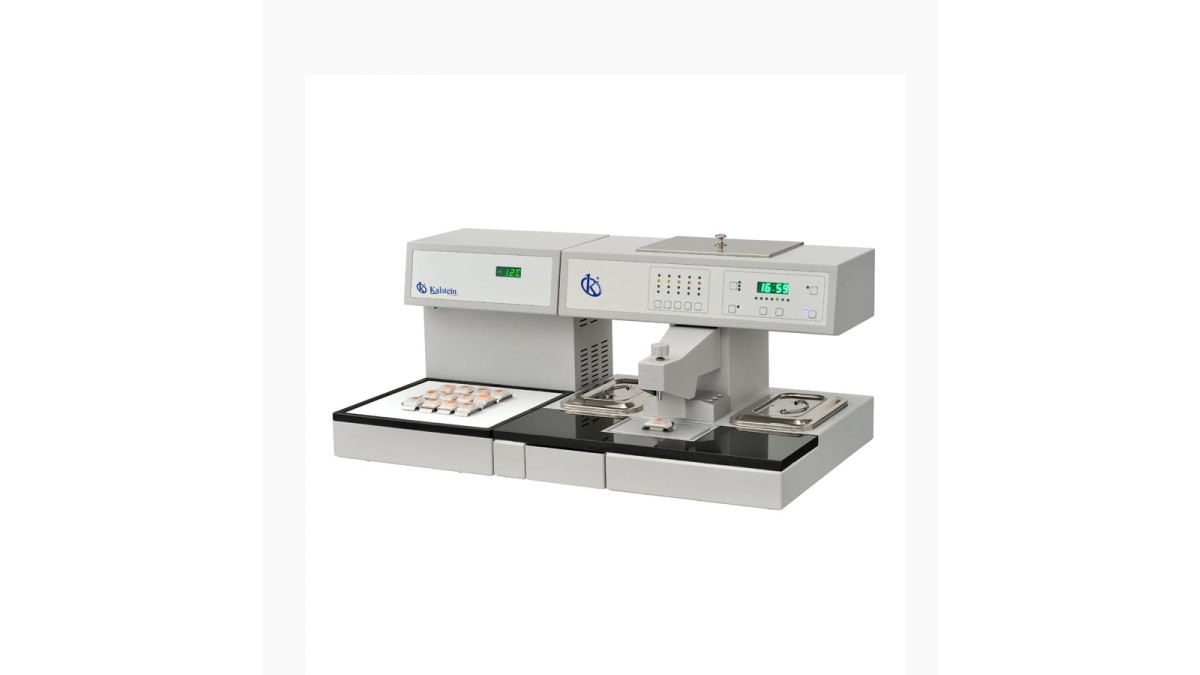
Tissue Embedding Systems: Common Errors and How to Avoid Them in Daily Operations 2026
Tissue embedding systems are crucial in histology and pathology laboratories to prepare tissue samples for microscopic examination. Understanding their applications, protocols, and maintenance can significantly enhance laboratory efficiency and accuracy. This article will explore common errors in operating these systems and provide practical solutions to avoid them.
What is it used for in 2026
In 2026, tissue embedding systems are primarily used for the preparation of tissue samples by infiltrating them with paraffin wax, providing structural integrity for sectioning. This process is essential for pathologists who examine tissues for diagnoses, enabling precise histological analysis. The systems enhance workflow by automating various functions, ensuring consistent sample quality across different laboratory settings.
History and evolution of the technology
The technology behind tissue embedding systems has evolved significantly. Initially, manual processes were predominant, involving meticulous hand-waxing of samples. Over the years, advancements in automation have led to programmable systems that allow for precise temperature control, automatic cycling, and enhanced user interfaces, reducing manual errors and increasing throughput.
How to use it step by step
Using a tissue embedding system involves several key steps:
- Sample Preparation: Ensure that the tissue samples are properly fixed and dehydrated.
- Infiltration: Place the samples in a paraffin bath, ensuring they are fully submerged for optimal infiltration.
- Embedding: Transfer the infiltrated samples to embedding molds and cover them with molten paraffin.
- Cooling: Allow the paraffin to solidify, usually aided by a cooling plate.
- Sectioning: Once solidified, cut the paraffin block into thin sections for microscopic examination.
Best techniques and protocols
Employing best practices in tissue embedding is crucial for minimizing errors:
- Utilize programmable settings for consistent temperature management.
- Follow specific timelines for infiltration and cooling as per the tissue type.
- Regularly calibrate the temperature settings to avoid fluctuations.
- Maintain clean work areas to prevent contamination.
Practical applications by laboratory type
Tissue embedding systems find applications in various laboratories, including:
- Clinical Pathology Labs: Essential for diagnostic tissue preparation.
- Research Laboratories: Used for studying tissue morphology and pathology.
- Veterinary Labs: Important for examining animal tissues.
Regulations, standards and certifications
Compliance with regulatory standards is critical when operating tissue embedding systems. Laboratories must adhere to ISO standards for quality management and ensure that their equipment meets safety and efficacy criteria established by health authorities to maintain accreditation.
Comparison with alternative technologies
Alternative technologies to tissue embedding systems include:
- Frozen Sectioning: Quick preparation but may affect tissue morphology.
- Microtomy: Requires significant skill but lacks automation.
Tissue embedding systems provide a balance of efficiency and quality that alternatives may not match.
Comparison of available models
| Model | Best for | Key specs | Recommended use case |
|---|---|---|---|
| YR441 | Advanced processing | 3L paraffin capacity, 55-70℃ | For laboratories needing flexible operations |
| YR447 | High-throughput operations | 4L paraffin capacity, RT-85℃ | Ideal for busy histology labs |
| YR439 | Standard embedding | 3L paraffin capacity, 55-70℃ | For routine sample processing |
| YR445 | Versatile embedding | 4L paraffin capacity, RT-85℃ | Suitable for varied tissue types |
| YR439-1 | High precision | ≥6L paraffin capacity, TA-85℃ | For laboratories requiring high accuracy |
| YR440B | Tissue freezing | 0 to -20℃, 300W | For preserving tissue integrity at low temperatures |
Common mistakes and how to avoid them
Common errors in operating tissue embedding systems include:
- Inadequate Temperature Control: Ensure regular calibration and monitoring of temperature settings.
- Incorrect Infiltration Times: Follow standard protocols for different tissue types to avoid incomplete infiltration.
- Neglecting Cleaning Protocols: Regularly clean the work area and equipment to prevent contamination.
- Failure to Train Staff: Provide comprehensive training to all personnel involved in tissue processing.
Maintenance, calibration and good practices 2026
To ensure optimal performance of tissue embedding systems:
- Conduct routine maintenance checks and calibrate equipment regularly.
- Keep a log of all maintenance activities for compliance and quality assurance.
- Encourage user feedback to identify any areas needing improvement.
Cost-benefit analysis 2026
Investing in a tissue embedding system can yield significant returns. Consider the following:
- Initial Costs: Evaluate the purchase price against expected enhancements in throughput and accuracy.
- Maintenance Costs: Factor regular servicing and potential upgrades into the total cost.
- Operational Savings: Automation may reduce labor costs and improve productivity.
Frequently asked questions
What is the best tissue embedding system for a small laboratory?
The YR439 model is an excellent choice for small laboratories due to its compact size and efficient processing capabilities.
How often should I calibrate my tissue embedding system?
Calibration should ideally be performed monthly or as per the manufacturer's recommendations, especially if the system is frequently used.
Can I use different types of paraffin in these systems?
It is advisable to use paraffin that is compatible with the specific embedding system to ensure optimized performance and prevent damage.
What are the signs of a malfunctioning embedding system?
Common signs include inconsistent temperature readings, poor infiltration results, and unusual noises during operation. Promptly address these issues to prevent further problems.
How do I select the right model for my laboratory needs?
Consider your laboratory's throughput requirements, types of tissue processed, and budget when selecting a model. Each model has unique features catering to different needs.
What maintenance practices can extend the lifespan of my embedding system?
Regular cleaning, calibration, and monitoring of usage patterns significantly contribute to the longevity of the embedding system.
How can I improve the efficiency of tissue embedding procedures?
Streamline workflows by ensuring all samples are properly prepared before use and maintain an organized workspace for quick access to necessary tools and materials.
If you are looking for a fusion of innovation and quality, you have come to the right place. At Kalstein, we offer you the luxury of exploring our exclusive catalog of laboratory equipment. We manufacture every device to the highest standards of excellence. Our intuitive and seamless online purchasing channels are designed for your convenience, securing the most competitive prices. Hesitate no longer — we bring science to life, it is time to become part of our community.