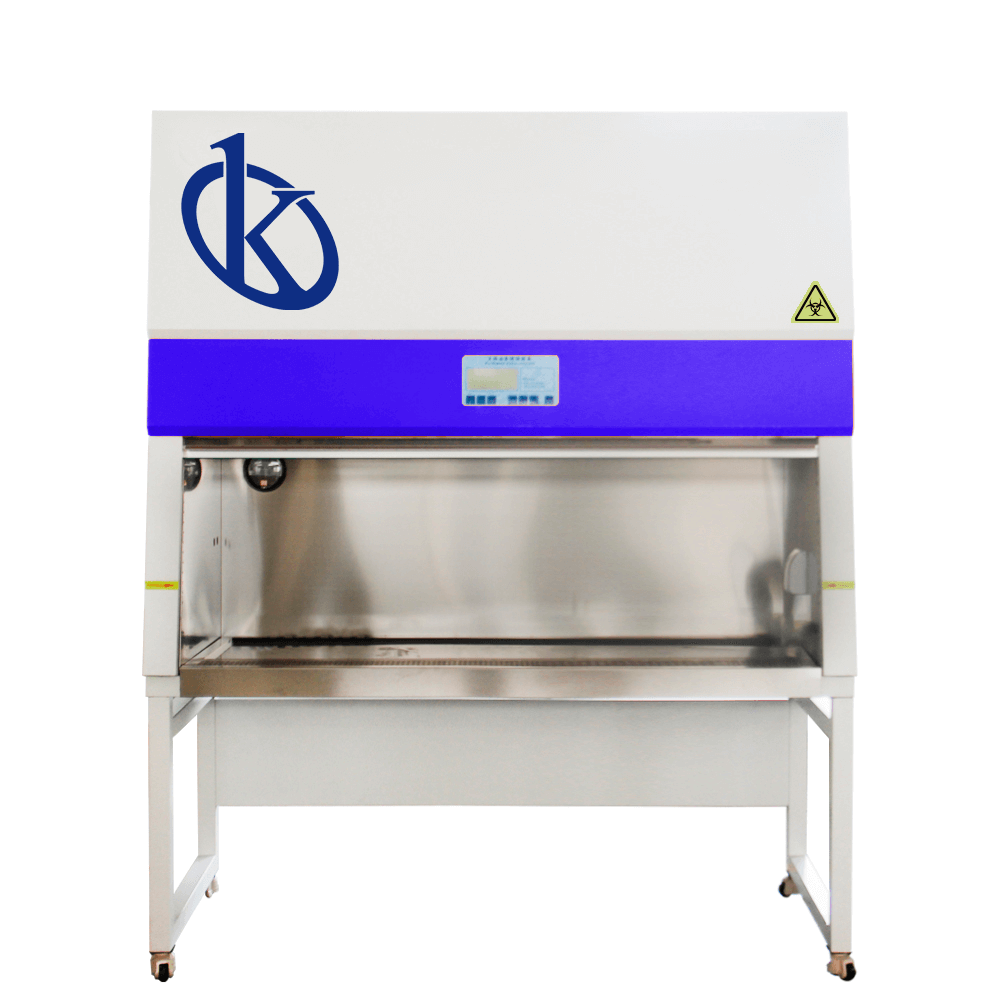
Technical Glossary and Key Terminology for the YR05710 Biosafety Cabinet
The YR05710 Biosafety Cabinet Class II is a crucial piece of equipment for laboratories, particularly in animal research, medicine, and pharmaceuticals. Understanding the key terms and technical concepts associated with this biosafety cabinet is essential for effective operation and maintenance. This article delves into the critical terminology relevant to the YR05710, providing a comprehensive glossary that will enhance your operational expertise.
Overview of the YR05710 Biosafety Cabinet
The YR05710 is designed to protect both the operator and the environment from biological hazards while allowing for safe handling of potentially harmful materials. This section will provide a brief overview of the cabinet's operation, specifications, and importance in laboratory settings.
Technical Specifications of the YR05710
| Model | YR05710 |
|---|---|
| Cleaning | Class 100 @ ≥0.5μm (US Federal 209E) |
| Colony Count | ≤0.5 pieces/plate·hour (Φ90 mm culture plate) |
| Average Air Velocity | 0.27±0.025 m/s inside |
| Noise Level | ≤65dB(A) |
| Voltage | Single-phase AC 220V/50Hz |
| Max Power Consumption | 700W |
| Weight | 270KG |
| Working Area | 1640×650×620 mm |
| Total Dimensions | 1800×800×2270 mm |
Glossary of Technical Terms Related to YR05710
| Term | Definition |
|---|---|
| Biosafety Cabinet | A ventilated enclosure designed to protect the operator, the environment, and the product from contamination. |
| Class II Cabinet | A type of biosafety cabinet that provides personnel, environmental, and product protection. |
| Laminar Flow | A flow of air in which the air moves in parallel layers with minimal disruption, ensuring a sterile environment. |
| HEPA Filter | A high-efficiency particulate air filter that captures 99.97% of particles as small as 0.3 microns. |
| UV Lamp | A lamp that emits ultraviolet light to sterilize surfaces and air by killing microorganisms. |
| Vertical Flow | Airflow design where air enters from the top and exits at the bottom, facilitating a clean work area. |
| Air Curtain | A stream of air designed to create a barrier against contaminants. |
| Alarm System | A safety feature that alerts the user to abnormal conditions such as airflow failure. |
| Contamination Control | A method of preventing contamination of products and operators within the cabinet. |
| Calibration | The process of adjusting and verifying the accuracy of the cabinet’s airflow and controls. |
Importance of Understanding Technical Terminology
Familiarity with the technical terms associated with the YR05710 biosafety cabinet is essential for ensuring safe operation and compliance with laboratory standards. This knowledge aids in troubleshooting issues, maintaining equipment effectively, and communicating clearly with team members and regulatory bodies.
Common Misinterpretations and Their Corrections
Misunderstanding terms and functions can lead to operational errors. Below are some common misconceptions related to the YR05710 and clarifications to prevent potential mishaps:
- Misinterpretation: All biosafety cabinets are the same. Correction: Different classes (I, II, III) serve varying levels of protection and functionality.
- Misinterpretation: HEPA filters do not require maintenance. Correction: Regular inspections and timely replacements are necessary to ensure optimal performance.
- Misinterpretation: UV lamps are always on. Correction: UV lamps should only be used when the cabinet is not in operation, as UV light can be harmful.
Frequently Asked Questions
What is the purpose of the YR05710 biosafety cabinet?
The YR05710 biosafety cabinet is designed to provide a sterile environment for safely handling biological materials, protecting both the operator and the environment from contamination.
How often should the HEPA filter in the YR05710 be replaced?
The HEPA filter should be inspected regularly, and it is recommended to replace it every 12 to 24 months, depending on usage and laboratory conditions.
What types of applications is the YR05710 suitable for?
The YR05710 is suitable for various applications, including clinical, pharmaceutical, and research laboratories, where handling of hazardous biological materials is required.
How can I ensure the YR05710 operates correctly?
Regular maintenance, calibration, and adhering to operating protocols will ensure that the YR05710 functions correctly and safely.
What safety features are included in the YR05710 biosafety cabinet?
The YR05710 features an alarm system for airflow monitoring, a UV lamp for sterilization, and a HEPA filter for air purification, ensuring both operator and product safety.
How does the YR05710 compare to other models?
The YR05710 offers advanced airflow systems, superior filtration, and user-friendly interfaces compared to other models, thus providing enhanced safety and reliability in laboratory settings.
Where can I find more information or request a quote for the YR05710?
You can request a quote for the YR05710 through our dedicated channels for laboratory equipment.
If you are looking for a fusion of innovation and quality, you have come to the right place. At Kalstein, we offer you the luxury of exploring our exclusive catalog of laboratory equipment. We manufacture every device to the highest standards of excellence. Our intuitive and seamless online purchasing channels are designed for your convenience, securing the most competitive prices. Hesitate no longer — we bring science to life, it is time to become part of our community.