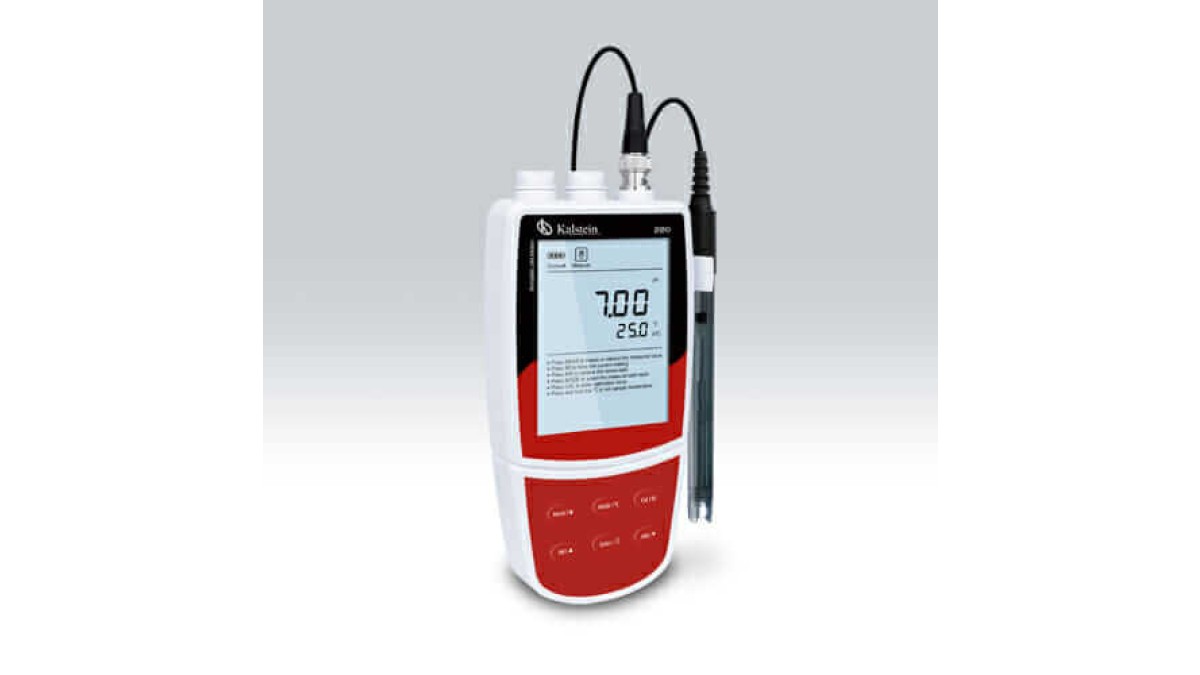
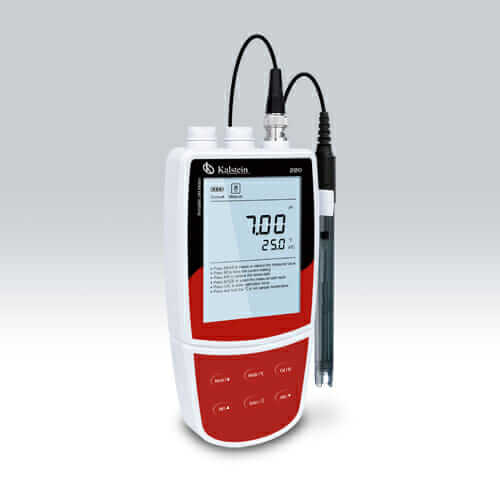
Table pH Meters: Practical Applications and Techniques 2026
What is it used for in 2026
Table pH meters are essential tools in various laboratory settings, facilitating accurate measurement of pH levels in liquid samples. In 2026, they find applications in environmental testing, food quality control, pharmaceuticals, and educational institutions. Each of these fields requires precise pH readings to ensure optimal outcomes in processes and products. For instance, in food analysis, maintaining specific pH levels can affect taste, preservation, and safety, while in pharmaceuticals, pH plays a crucial role in drug effectiveness and stability.
History and evolution of the technology
The development of pH measurement technology dates back to the early 20th century when the glass electrode was introduced, revolutionizing how pH was measured. Over the decades, advancements in electronics and materials science have led to the emergence of table pH meters, which feature enhanced accuracy, ease of use, and functionality. By 2026, these instruments have incorporated smart technology, allowing for automatic calibration and temperature compensation, making them indispensable in modern laboratories.
How to use it step by step
Using a table pH meter involves a systematic process to ensure accurate readings. Here’s a step-by-step guide:
- Preparation: Ensure the meter is clean, calibrated, and properly maintained. Turn on the device and allow it to warm up if necessary.
- Calibration: Calibrate the pH meter using standard buffer solutions. Follow the manufacturer's instructions for calibration points, typically 1 to 3.
- Sample Measurement: Rinse the electrode with distilled water and immerse it in the sample. Allow the reading to stabilize.
- Recording Data: Once stable, record the pH value displayed. Repeat the process for accuracy.
- Cleaning: After use, rinse the electrode and store it according to the manufacturer’s guidelines.
Best techniques and protocols
To maximize the reliability of pH measurements, adhere to the following techniques and protocols:
- Regular Calibration: Consistently calibrate the meter before each series of measurements to ensure accuracy.
- Use Fresh Buffers: Always use fresh buffer solutions for calibration to avoid contamination.
- Temperature Control: Maintain the sample and calibration solutions at a constant temperature for optimal accuracy.
- Proper Storage: Store the pH electrode according to specifications, typically in a storage solution that prevents drying.
Practical applications by laboratory type
Different laboratory types utilize table pH meters based on their specific needs:
- Environmental Laboratories: Measuring water quality and soil pH to assess ecological health.
- Food & Beverage Industries: Ensuring product quality and safety through pH monitoring during production.
- Pharmaceutical Laboratories: Evaluating the pH of solutions to maintain drug efficacy and stability.
- Educational Institutions: Teaching principles of acidity and alkalinity in chemistry classes.
Regulations, standards and certifications
In 2026, the use of table pH meters is often governed by various regulations and standards, depending on the industry. For instance:
- ISO 17025: General requirements for the competence of testing and calibration laboratories.
- FDA Guidelines: Regulations for food and drug testing ensure that pH measurements adhere to safety standards.
- Good Laboratory Practices (GLP): Ensuring that laboratories operate with consistent quality in testing and results reporting.
Comparison with alternative technologies
While table pH meters are widely used, alternative technologies exist:
- pH Indicator Strips: Low-cost and easy to use but less accurate than digital meters.
- Portable pH Meters: Useful for field measurements but may lack the precision of table models.
- Ion Selective Electrodes (ISE): More specific for certain ions but can be more complex to calibrate and use.
Comparison of available models
| Model | Best for | Key specs | Recommended use case |
|---|---|---|---|
| YR0220A | General laboratory use | Range: -2.00~20.00pH, Resolution: 0.01pH, Precision: ±0.01pH | Typical laboratory pH measurements and calibration. |
| YR01822 | Sophisticated applications | 6.5” LED screen, Automatic calibration, ±0.002pH precision | Advanced laboratories needing precise data logging and wireless capabilities. |
| YR01825 | High sensitivity measurements | 7” touch screen, Resolution: 0.01/0.001 pH, Precision: ±0.002pH | Projects requiring detailed data analysis and reporting. |
| YR01823-2 | Precision testing | Large LCD, Calibration: 1 to 5 points, Accuracy: ±0.002pH | Laboratories focused on high-accuracy experiments. |
| YR01823 | Versatile laboratory use | 7” touch screen, ±0.02pH accuracy, Automatic calibration | General testing across various fields. |
| YR01826 | Long-distance viewing | 5” LCD, ±0.02 pH precision, Data storage capacity | Situations requiring readings from a distance. |
Common mistakes and how to avoid them
To ensure accurate measurements, be aware of common mistakes:
- Neglecting Calibration: Always calibrate before use to avoid inaccurate readings.
- Not Rinsing the Electrode: Failing to rinse can introduce contamination, affecting results.
- Using Old Buffer Solutions: Always check the expiration date on buffers; using expired solutions leads to errors.
Maintenance, calibration and good practices 2026
Proper maintenance and calibration routines are crucial for the longevity of table pH meters:
- Routine Calibration: Perform at least once a day or before significant measurement sessions.
- Electrode Care: Clean and store the electrode properly to prevent damage and extend its lifespan.
- Regular Inspections: Routinely check device functionality and perform software updates if applicable.
Cost-benefit analysis 2026
Investing in a reliable table pH meter provides substantial benefits:
- Accuracy: Enhanced precision in measurements translates to better quality control.
- Efficiency: Reduces time spent on calibrations and data recording.
- Long-term Investment: Quality meters are durable and can provide years of service, justifying the initial investment.
Frequently asked questions
How do I choose the right table pH meter for my laboratory?
Consider the specific needs of your laboratory, such as the required measurement range, accuracy, and additional features like data logging or connectivity. Match these requirements with the specifications of the available models.
What is the importance of regular calibration?
Regular calibration ensures that your readings are accurate and reliable. It accounts for any drift in the electrode response and adjusts for it, which is crucial for precise pH measurement.
Can I use a pH meter for different types of samples?
Yes, table pH meters can be used for a variety of samples, including liquids and slurries. However, ensure that the electrode is compatible with the sample type to avoid damage.
What should I do if my pH readings are inconsistent?
Check the calibration of your meter, clean the electrode, and ensure your buffer solutions are fresh. If inconsistencies persist, consider replacing the electrode as it may be worn out.
Are there specific cleaning solutions for pH electrodes?
Yes, there are specialized cleaning solutions designed for pH electrodes. Follow the manufacturer’s guidelines for cleaning and maintenance procedures to prolong electrode life.
How do I properly store my pH meter when not in use?
Store the pH meter in a protective case, and if applicable, keep the electrode in a storage solution to prevent drying out. Avoid extreme temperatures and humidity levels during storage.
Can I request a quote for purchasing a table pH meter?
Absolutely! Feel free to contact our sales team to request a personalized quote that meets your laboratory's needs.
If you are looking for a fusion of innovation and quality, you have come to the right place. At Kalstein, we offer you the luxury of exploring our exclusive catalog of laboratory equipment. We manufacture every device to the highest standards of excellence. Our intuitive and seamless online purchasing channels are designed for your convenience, securing the most competitive prices. Hesitate no longer — we bring science to life, it is time to become part of our community.