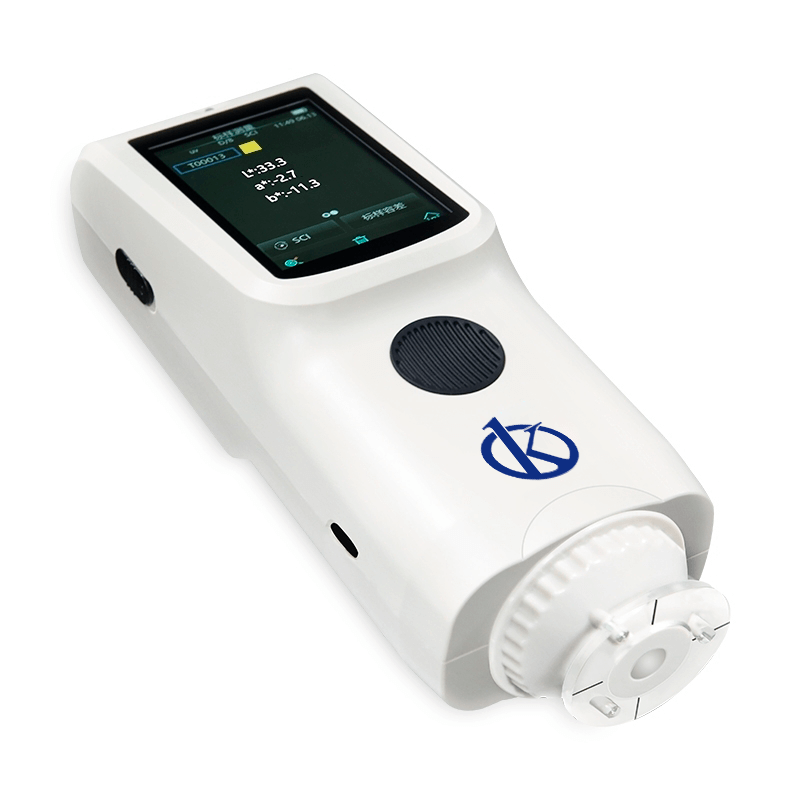
Spectrocolorimeters: Practical Applications and Techniques 2026
What is it used for in 2026
Spectrocolorimeters are vital instruments in various fields including research, biotechnology, and academia. In 2026, their primary use is in precise color measurement for quality control, formulation, and analysis. They help in measuring the color of substances by analyzing light absorption and reflection, which is crucial in industries such as paint manufacturing, textiles, and food production.
History and evolution of the technology
Historically, color measurement was a subjective process relying on visual assessment. With advancements in optics and photonics, spectrocolorimeters emerged, providing a scientific approach to color measurement. Over the decades, these instruments have evolved from bulky laboratory setups to portable devices that are user-friendly and capable of delivering rapid results.
How to use it step by step
Using a spectrocolorimeter involves several key steps:
- Preparation: Ensure the device is properly calibrated and clean.
- Sample Selection: Choose the sample to be measured, ensuring it is prepared according to the manufacturer's guidelines.
- Measurement: Place the sample in the measurement chamber, select the appropriate mode (SCI or SCE), and initiate the measurement process.
- Results Analysis: Once the measurement is complete, analyze the data, interpreting the values for L, A, and B to understand color characteristics.
- Documentation: Record the results for future reference or reporting.
Best techniques and protocols
To ensure reliable and accurate results, adhere to established protocols:
- Calibrate regularly using standardized color samples.
- Always perform measurements under consistent lighting conditions.
- Use clean, uncontaminated sample holders to prevent cross-contamination.
- Follow the manufacturer's guidelines for each model regarding measurement techniques.
Practical applications by laboratory type
Different laboratories utilize spectrocolorimeters in unique ways:
- Research Laboratories: For colorimetric analysis in chemical compounds.
- Biotechnology: In the formulation of biological products where color consistency is crucial.
- Academic Institutions: For educational purposes in teaching students about color measurement techniques.
Regulations, standards and certifications
Compliance with international standards such as ISO and ASTM is essential for spectrocolorimeters. Calibration and performance must adhere to guidelines like CIE No.15 and GB/T standards to ensure accuracy and reliability in measurements.
Comparison with alternative technologies
While spectrocolorimeters are the preferred choice for precise color measurement, alternatives such as colorimetric analyzers and visual assessment have their place. However, spectrocolorimeters offer greater accuracy and reproducibility compared to visual methods, making them indispensable in critical applications.
Comparison of available models
| Model | Best for | Key specs | Recommended use case |
|---|---|---|---|
| YR05516 | High-level spectral architecture | Price: $2570.00 | Precision color measurement in plastic electronics, paint |
| YR05517 | Adaptability for color measurement | Price: $1838.00 | Quality control in various industries |
| YR05518 | Textile and paint applications | Price: $935.00 | |
| YR05519 | Broad spectrum applications | Price: $623.00 |
Common mistakes and how to avoid them
Common errors include:
- Improper Calibration: Always calibrate your device before use to avoid inaccuracies.
- Ignoring Environmental Factors: Conduct measurements in controlled lighting to minimize variability.
- Sample Contamination: Ensure samples are clean and free from debris to avoid skewed results.
Maintenance, calibration and good practices 2026
Regular maintenance includes:
- Calibrating the device with certified standards at regular intervals.
- Cleaning the optical components to prevent interference in measurement.
- Following manufacturer guidelines for maintenance schedules and practices.
Cost-benefit analysis 2026
Investing in a spectrocolorimeter provides significant benefits through enhanced accuracy and efficiency in color measurement, which can lead to improved product quality and reduced waste. While the initial cost may seem high, the long-term savings in quality control and reduced errors justify the investment.
Frequently asked questions
What are the key features to look for in a spectrocolorimeter?
When selecting a spectrocolorimeter, look for features such as measurement accuracy, calibration options, adaptability to different sample types, and compliance with international standards.
How do I choose the right model for my laboratory?
Consider the specific applications you need the spectrocolorimeter for, such as type of samples and accuracy requirements, before selecting a model that best fits those needs.
Can spectrocolorimeters be used in field applications?
Yes, many modern spectrocolorimeters are portable and designed for field applications, allowing for on-site measurements without compromising accuracy.
How often should I calibrate my spectrocolorimeter?
It is recommended to calibrate your spectrocolorimeter regularly, at least once a month, or before any critical measurements, to ensure ongoing accuracy.
What are the best practices for sample preparation?
Ensure that samples are clean, properly prepared, and representative of the bulk material. Follow any specific preparation procedures outlined in the device's manual.
How do I maintain my spectrocolorimeter for longevity?
Regular maintenance includes cleaning, proper storage, timely calibration, and following the manufacturer's guidelines for care and maintenance.
If you are looking for a fusion of innovation and quality, you have come to the right place. At Kalstein, we offer you the luxury of exploring our exclusive catalog of laboratory equipment. We manufacture every device to the highest standards of excellence. Our intuitive and seamless online purchasing channels are designed for your convenience, securing the most competitive prices. Hesitate no longer — we bring science to life, it is time to become part of our community.