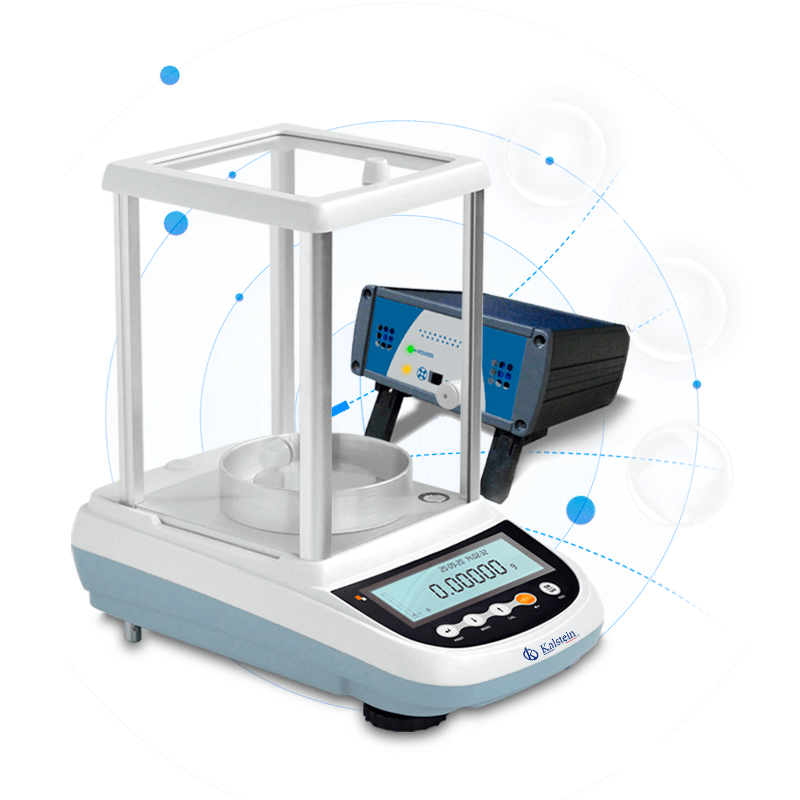
Semimicro Balances: Practical Applications and Techniques 2026
What is it used for in 2026
In 2026, semimicro balances are crucial for precise measurements in various laboratory settings including research, biotechnology, and academic institutions. These balances are designed to measure small amounts of sample weights accurately, typically up to 220 grams with resolutions of 0.01 mg or better, making them ideal for applications that demand high precision. Users in laboratories utilize these balances for tasks such as formulation, quality control, and analytical testing, where even minor discrepancies in weight can lead to significant errors in results.
History and evolution of the technology
The development of semimicro balances has evolved significantly from traditional mechanical balances to the highly advanced electronic balances we see today. In the mid-20th century, the introduction of digital readouts and automated calibration transformed the accuracy and reliability of weighing in laboratory environments. Over the years, features like internal calibration, user-friendly interfaces, and data storage capabilities have been progressively integrated, enhancing the functionality of semimicro balances and making them indispensable tools in modern labs.
How to use it step by step
Using a semimicro balance effectively involves several crucial steps:
- Calibration: Ensure the balance is calibrated according to the manufacturer’s guidelines before use.
- Preparation: Place the balance on a stable surface, away from drafts and vibrations.
- Setting the Balance: Power on the balance and select the appropriate unit of measurement.
- Use of Weighing Boats: For small samples, use weighing boats to prevent contamination and facilitate easy transfer.
- Weighing the Sample: Tare the balance to zero the weight of the container before adding the sample.
- Data Logging: If your balance has data logging capabilities, save the weight data for future reference.
- Cleanup: After weighing, clean the balance and ensure no residue is left behind.
Best techniques and protocols
To achieve optimal results when using semimicro balances, consider the following techniques and protocols:
- Always allow the balance to warm up for a specified time before use to ensure stability.
- Perform routine checks and calibrations to maintain accuracy.
- Handle samples with tweezers to avoid contamination from oils or residues on hands.
- Use draft shields provided with the balance to minimize the impact of air currents on measurements.
Practical applications by laboratory type
Semimicro balances find applications in various laboratory types:
- Research Laboratories: Used for weighing chemicals and reagents accurately for experiments.
- Biotechnology: Essential in formulations and compound preparations where precision is critical.
- Academic Institutions: Utilized in teaching environments for demonstrating principles of mass measurement.
Regulations, standards and certifications
Laboratories using semimicro balances must comply with several regulations and standards to ensure quality and accuracy. Common certifications include ISO 9001 for quality management systems and GLP (Good Laboratory Practice) standards, which dictate that balances must undergo regular calibration and maintenance to uphold their integrity in research and production environments.
Comparison with alternative technologies
Compared to other weighing technologies such as analytical balances and microbalances, semimicro balances strike a balance between precision and practicality, offering a wider capacity range while maintaining high accuracy. Analytical balances typically provide better resolution but at higher costs and less flexibility in sample size. Microbalances excel in ultra-high precision but may not be suitable for larger samples or bulk materials.
Comparison of available models
| Model | Best for | Key specs | Recommended use case |
|---|---|---|---|
| YR05562 | General laboratory use | Capacity: 62g/120g, Resolution: 0.01 mg | Suitable for routine weighing tasks |
| YR05563 | Formulations | Capacity: 82g/220g, Resolution: 0.01 mg | Ideal for precise chemical mixtures |
| YR05564 | Research applications | Capacity: 102g/220g, Resolution: 0.01 mg | Perfect for experimental setups |
| YR05565 | Quality control | Capacity: 122g, Resolution: 0.01 mg | Used in product consistency testing |
| YR05566 | Pharmaceuticals | Capacity: 162g, Resolution: 0.01 mg | Applicable in drug formulation processes |
| YR05567 | Advanced analytical work | Capacity: 202g, Resolution: 0.01 mg | Best for high-precision analytical tasks |
Common mistakes and how to avoid them
Some common mistakes when using semimicro balances include:
- Not calibrating the balance regularly — ensure you follow a calibration schedule.
- Ignoring environmental factors like vibrations or drafts — always stabilize the area where the balance is placed.
- Using the balance without tare — always tare before weighing to avoid inaccuracies.
- Neglecting to clean after use — keep the balance clean to maintain its performance.
Maintenance, calibration and good practices 2026
Maintenance is crucial for ensuring the longevity and accuracy of semimicro balances:
- Perform daily cleaning with appropriate materials.
- Calibrate the balance at least once a month or more frequently if used heavily.
- Check for signs of wear or damage regularly.
- Follow manufacturer guidelines for maintenance schedules and practices.
Cost-benefit analysis 2026
Investing in a semimicro balance can yield significant benefits for laboratories due to:
- High precision measurements that enhance research and production quality.
- Durability and long lifespan, reducing the need for frequent replacements.
- Versatility in applications across different laboratory environments.
- Potential for improved operational efficiency and reduced error rates in weighing processes.
Frequently asked questions
What is the best use case for a semimicro balance?
The best use case for a semimicro balance is in laboratories where precise measurement of small quantities is crucial, such as in the formulation of chemical products and in academic research settings.
How do I ensure my semimicro balance remains accurate?
To ensure accuracy, regularly calibrate the balance according to the manufacturer's instructions and maintain a clean environment to prevent dust and debris from affecting measurements.
Can I use a semimicro balance for larger samples?
While semimicro balances can handle samples up to 220 grams, for significantly larger samples, it is recommended to use an analytical balance for better precision.
What should I do if my balance shows irregular readings?
If your balance shows irregular readings, first check for leveling and calibration issues. If those are correct, inspect for any physical obstructions or dirt on the weighing pan.
Is there any specific routine maintenance for semimicro balances?
Routine maintenance includes regular cleaning, calibration checks, and ensuring no excess weight is placed on the balance beyond its capacity.
How does the cost of a semimicro balance compare with other balances?
Semimicro balances typically offer a good balance of price and precision, usually positioned between budget analytical balances and more expensive microbalances, making them a cost-effective choice for many laboratories.
For more information or to request a quote, please reach out through our contact channels.
If you are looking for a fusion of innovation and quality, you have come to the right place. At Kalstein, we offer you the luxury of exploring our exclusive catalog of laboratory equipment. We manufacture every device to the highest standards of excellence. Our intuitive and seamless online purchasing channels are designed for your convenience, securing the most competitive prices. Hesitate no longer — we bring science to life, it is time to become part of our community.