Maximizing ROI and Cost-Benefit Analysis for Microtomes in Pathological Laboratories
In the evolving landscape of laboratory equipment, the demand for efficient and reliable microtomes is ever-growing. Pathological laboratories utilize microtomes for slicing specimens with precision, making the selection of the right model crucial not only for operational efficacy but also for financial sustainability. This article delves into how to maximize ROI and perform a thorough cost-benefit analysis for microtome models, aiding laboratory professionals in making informed purchasing decisions.
Understanding ROI in the Context of Microtomes
ROI, or Return on Investment, is a critical metric for laboratory managers when evaluating new equipment purchases. It involves measuring the profitability of an investment relative to its cost. In the case of microtomes, this entails analyzing not just the purchase price but also ongoing costs such as maintenance, consumables, and operational efficiency. Effective ROI analysis can help laboratories justify expenses and optimize budgeting.
Key Factors Influencing ROI for Microtomes
When assessing the ROI of microtomes, several factors come into play. These include:
- Initial Capital Expenditure (CAPEX): The upfront cost of the microtome is the most obvious factor. Lower-priced models may save money initially, but higher-quality models may offer better longevity and reliability.
- Operational Expenses (OPEX): This includes the costs of consumables and routine maintenance. Microtomes that require less frequent servicing or have lower running costs can positively influence ROI.
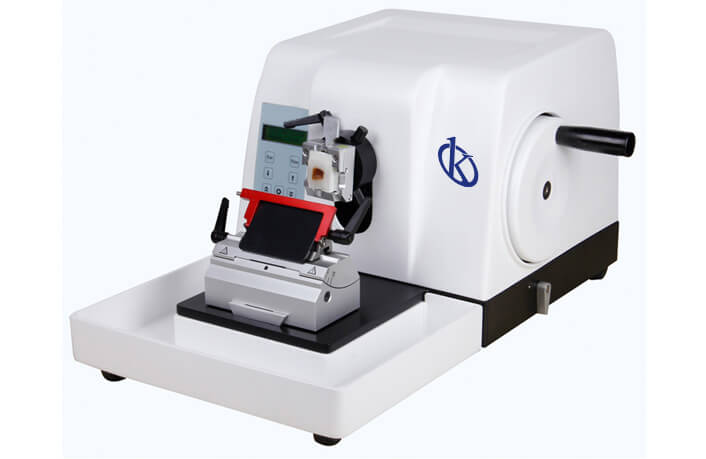
- Productivity Gains: The efficiency of slicing specimens is paramount. Models like the Semi-automatic rotary microtome YR416 enhance productivity by providing precision and reliability, thereby improving output and reducing wasted materials.
- Quality of Output: Consistency in sample quality leads to fewer repeat tests, lowering costs and increasing lab throughput. Models like the Microtome Handbook YR417 provide high-quality sections that can meet the demanding standards of histopathology.
Conducting a Cost-Benefit Analysis for Microtomes
Performing a cost-benefit analysis entails evaluating both quantitative and qualitative factors associated with microtome models. Start by identifying all costs related to acquisition, operation, maintenance, and potential downtime.
Next, assess the benefits, including improved workflow efficiency, enhanced precision, and increased throughput capabilities. Using a structured approach, labs can compare models based on these factors, allowing for a clear view of potential returns.
Comparison of Available Models
| Model | CAPEX (USD) | Cost per section (USD) | Payback (months) | Recommended scenario |
|---|---|---|---|---|
| YR417-1 | 5200.00 | 0.50 | 10 | High-throughput labs requiring precision |
| YR416 | 3600.00 | 0.40 | 8 | Routine histopathology labs |
| YR417 | 4000.00 | 0.45 | 9 | Versatile use across various applications |
| YR420 | 2400.00 | 0.30 | 6 | Smaller labs or limited budgets |
| YR421 | 2400.00 | 0.30 | 6 | Budget-conscious laboratories |
| YR422 | 1200.00 | 0.25 | 5 | Low-volume labs needing reliability |
Common Mistakes and How to Avoid Them
Laboratories often make several critical mistakes when selecting microtomes. Understanding these pitfalls can help prevent costly errors:
- Overlooking Total Cost of Ownership: Focusing solely on the purchase price can lead to higher long-term costs. Always consider OPEX alongside CAPEX.
- Neglecting User Training: Insufficient training can result in operational inefficiencies and increased downtime. Invest in comprehensive training for optimal use of the microtome.
- Inadequate Performance Evaluation: Failing to assess how well a microtome meets laboratory needs can hinder productivity. Conduct thorough evaluations against your requirements before purchase.
- Ignoring Technological Advances: Newer models may offer features that enhance efficiency and reduce errors. Stay updated on advancements in microtome technology.
Maximizing Microtome Efficiency
To ensure that your investment in microtomes yields the best results, focus on maximizing their operational efficiency. Key strategies include:
- Regular Maintenance: Implement a maintenance schedule based on the manufacturer’s recommendations to keep microtomes running smoothly.
- Optimize Workflow: Analyze your laboratory workflow to identify bottlenecks that could be alleviated by the introduction of more efficient microtome models.
- Utilize Advanced Features: Take advantage of features offered by modern microtomes, such as programmable cutting thicknesses and enhanced specimen control, to enhance productivity.
Evaluating Long-Term Benefits
When considering a microtome, it’s vital to evaluate long-term benefits versus initial costs. Look at factors such as:
- Longevity: Models like the Semi-automatic rotary microtome YR416 offer durability, meaning less frequent replacements.
- Reduction in Waste: Enhanced precision minimizes sample waste, contributing to cost savings. Consider how each model’s specifications align with your needs.
- Scalability: As your laboratory grows, select models that can accommodate increased workloads without sacrificing quality.
Frequently Asked Questions
What is the average cost per test for a microtome in a histopathology lab?
The average cost per test for models like the Microtome Handbook YR417 can be approximately $0.45, depending on operational efficiency and consumables used. This cost helps labs budget for essential services and resources effectively.
How do I calculate the payback period for a microtome investment?
To calculate the payback period, divide the initial investment by the net annual savings generated from using the microtome. For instance, a Semi-automatic rotary microtome YR416 with a $3,600 investment might show payback in about 8 months based on efficiency gains.
What factors should I consider for microtome maintenance costs?
Factors to consider include the frequency of blade replacements, routine servicing needs, and any possible repairs. Models like the Microtome Handbook YR420 are designed to minimize maintenance costs through robust engineering.
Which microtome model is best for high-throughput laboratories?
The Semi-automatic rotary microtome YR416 is highly recommended for high-throughput labs due to its reliability and speed, allowing laboratories to maintain workflow efficiency while producing high-quality samples.
How can energy consumption affect the cost of operating a microtome?
Energy consumption can significantly impact operational costs, especially in high-use scenarios. Choosing energy-efficient models like the YR422 helps reduce electricity costs over time, contributing to overall savings.
What are the most critical specifications to compare in microtome models?
Key specifications to compare include cutting thickness range, sample size capacity, and operational reliability. The specific needs of your lab will help determine the most critical metrics for evaluation.
How often should microtomes be calibrated for optimal performance?
Microtomes should typically be calibrated every 6-12 months, depending on usage intensity. Regular calibration ensures consistent performance, especially for models like the Microtome Handbook YR421 that require precision in sectioning.
What should I look for in terms of warranty and support for microtome purchases?
When purchasing a microtome, check for robust warranty terms and support from the manufacturer. A strong warranty, such as that offered with the Microtome Handbook YR417, can protect against unexpected repair costs.
If you are looking for a fusion of innovation and quality, you have come to the right place. At Kalstein, we offer you the luxury of exploring our exclusive catalog of laboratory equipment. We manufacture every device to the highest standards of excellence. Our intuitive and seamless online purchasing channels are designed for your convenience, securing the most competitive prices. Hesitate no longer — we bring science to life, it is time to become part of our community.