How to Analyze ROI and Cost-Benefit for Mechanical Desktop Ultrasonic Cleaners?
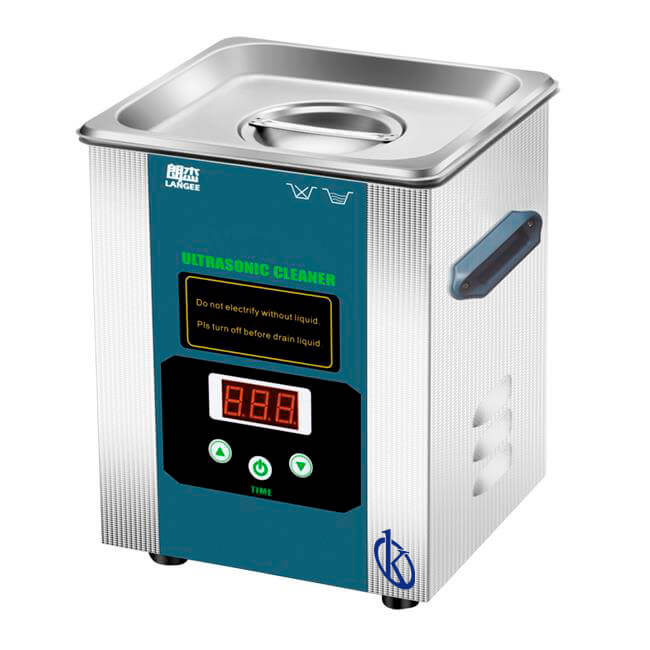
In laboratory environments, the efficiency and effectiveness of cleaning processes can significantly impact operational costs. This article delves into the return on investment (ROI) and cost-benefit analysis of mechanical desktop ultrasonic cleaners, highlighting their importance in achieving optimal laboratory performance.
Understanding ROI and Cost-Benefit Analysis
ROI is a critical financial metric that helps laboratories determine the profitability of investments, particularly in equipment like mechanical desktop ultrasonic cleaners. A proper cost-benefit analysis evaluates the financial return compared to the costs incurred during purchase and operation. This analysis assists in justifying investments in high-value laboratory equipment.
Factors Influencing ROI for Ultrasonic Cleaners
Several factors can influence the ROI of mechanical desktop ultrasonic cleaners, including initial capital expenditure (CAPEX), operational expenditures (OPEX), maintenance costs, and labor efficiency improvements. Understanding these factors can help laboratory managers make informed purchasing decisions.
Initial Investment and Operational Costs
The initial investment in ultrasonic cleaners varies significantly depending on the model. For instance, the YR05207 model is priced at $43.00, while larger models like the YR05206 cost $810.00. Operational costs include utilities, consumables, and maintenance. By analyzing these costs, laboratories can project their total cost of ownership (TCO) over the equipment's lifespan.
Productivity Gains from Ultrasonic Cleaners
Ultrasonic cleaners, such as the YR05202 and YR05206, enhance productivity by reducing cleaning time and improving the quality of cleaning results. Increased throughput translates to better labor utilization, allowing technicians to focus on more critical tasks and reducing overall labor costs.
Comparison of Available Models
| Model | Price (USD) | Capacity (L) | Best For |
|---|---|---|---|
| YR05207 | 43.00 | 1.3 | Jewelry and delicate items |
| YR05202 | 540.00 | 11 | Laboratory and medical applications |
| YR05203 | 640.00 | 15 | Laboratory with varied cleaning needs |
| YR05204 | 680.00 | 20 | Medium-sized laboratory applications |
| YR05205 | 760.00 | 22 | Heavy duty cleaning tasks |
| YR05206 | 810.00 | 30 | High-capacity laboratory use |
Common Mistakes and How to Avoid Them
Laboratories often encounter various pitfalls when investing in ultrasonic cleaners. One common mistake is underestimating the total cost of ownership. Many operators focus solely on the initial purchase price without considering maintenance, consumable costs, and potential downtime. To avoid this, laboratories should conduct comprehensive cost-benefit analyses and factor in all operational costs.
Key Considerations for Effective Cleaning
To maximize the benefits of ultrasonic cleaning, laboratories must consider several key factors, including the type of cleaning solution used, cleaning time, and frequency settings of the ultrasonic cleaner. Each model, such as the YR05203 and YR05206, is equipped with different frequency settings that can optimize cleaning based on the material and type of contaminants.
Productivity Metrics for ROI Evaluation
Establishing productivity metrics is essential for evaluating ROI. Key performance indicators (KPIs) such as time saved per cleaning cycle and improved cleanliness levels can aid in quantifying the benefits of ultrasonic cleaners. Comparing these KPIs before and after adopting ultrasonic cleaning methods can highlight efficiency gains.
Energy Consumption and Sustainability Goals
As laboratories increasingly focus on sustainability, understanding the energy consumption of ultrasonic cleaners becomes crucial. Models like the YR05202 offer efficient cleaning processes while minimizing energy use. Tracking kWh per run and water consumption can help labs meet their sustainability objectives while maintaining effective cleaning operations.
Frequently Asked Questions
How does the YR05207 model contribute to ROI in jewelry cleaning?
The YR05207 model, priced at $43.00, offers effective cleaning for jewelry and delicate items. Its efficient ultrasonic cleaning process helps reduce labor time and enhances cleaning quality, contributing to a positive ROI by increasing throughput and decreasing operational costs.
What is the expected payback period for the YR05206 model in laboratory applications?
The YR05206 model, with a capacity of 30 liters and a price of $810.00, can significantly improve cleaning efficiency in laboratories. By calculating the savings from labor costs and enhanced cleaning quality, laboratories can often achieve a payback period of under 12 months.
Which ultrasonic cleaner model is best for high-capacity laboratory use?
The YR05206 model is best suited for high-capacity laboratory use due to its 30-liter capacity and efficient cleaning capabilities. It provides significant ROI by allowing labs to process more items simultaneously, which is critical for high-demand environments.
What are the key factors affecting the cost-benefit of ultrasonic cleaners?
Key factors affecting cost-benefit include initial purchase costs, maintenance expenses, labor savings, and cleaning efficiency. Models like the YR05202 and YR05205 can vary in their impact on these factors based on their design and intended use.
How can I assess the energy consumption of ultrasonic cleaners?
To assess energy consumption, track the kWh used per cleaning cycle for models like the YR05203 and YR05206. This data can help laboratories align their cleaning processes with sustainability goals and identify potential areas for energy savings.
What is the cleaning efficiency of the YR05204 model in reducing contaminants?
The YR05204 model excels in reducing contaminants, utilizing its high-frequency settings to effectively clean various laboratory equipment. Its efficiency in removing residue can help improve overall laboratory cleanliness and safety.
How do I determine the right model for my laboratory's needs?
Determining the right model involves analyzing your laboratory's specific cleaning requirements, budget, and expected throughput. Models such as the YR05202 and YR05206 offer different capacities and features that can cater to diverse laboratory needs.
What are common maintenance practices for ultrasonic cleaners?
Common maintenance practices include regular cleaning of the tank, checking the ultrasonic frequency settings, and ensuring the cleaning solution is suitable for the items being cleaned. Proper maintenance of models like the YR05205 can prolong their lifespan and enhance ROI.
If you are looking for a fusion of innovation and quality, you have come to the right place. At Kalstein, we offer you the luxury of exploring our exclusive catalog of laboratory equipment. We manufacture every device to the highest standards of excellence. Our intuitive and seamless online purchasing channels are designed for your convenience, securing the most competitive prices. Hesitate no longer — we bring science to life, it is time to become part of our community.