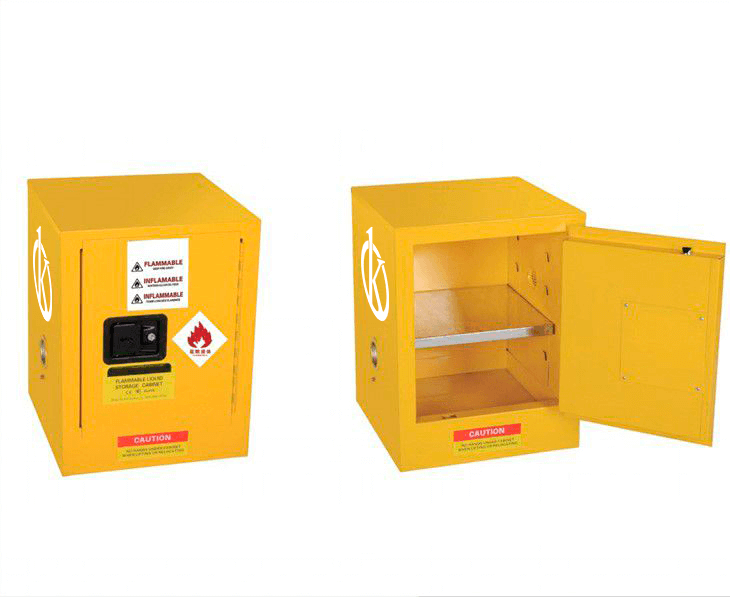
How to Evaluate the ROI and Cost-Benefit Analysis for Explosion-Proof Cabinets in Laboratories
Laboratories dealing with hazardous materials require safe storage solutions to protect both personnel and property. Explosion-proof cabinets are designed to contain flammable liquids and hazardous substances, minimizing risks associated with chemical storage. This article will explore how to conduct a return on investment (ROI) and cost-benefit analysis for explosion-proof cabinets, focusing on multiple models available in the market.
Understanding the Importance of Explosion-Proof Cabinets
Explosion-proof cabinets are critical for laboratories handling volatile chemicals. These cabinets are engineered to prevent explosions and contain any potential leaks or spills, thus ensuring a safer working environment. Additionally, regulatory compliance and safety standards necessitate the implementation of such storage solutions. Understanding ROI and cost-benefit analysis allows laboratory managers to make informed purchasing decisions.
Key Factors in ROI and Cost-Benefit Analysis
The ROI and cost-benefit analysis for laboratory equipment such as explosion-proof cabinets involve several factors:
- Initial Investment Costs: The purchase price of the cabinets, installation, and any additional equipment needed.
- Operational Costs: Maintenance, compliance updates, and insurance costs related to hazardous materials.
- Cost Savings: Savings from reduced accidents, insurance premiums, and potential fines for non-compliance.
- Productivity Gains: The impact of safe storage on overall workflow efficiency and employee safety.
Models of Explosion-Proof Cabinets: Overview
In this section, we will examine several explosion-proof cabinet models available on the market, outlining their features and suitability for various laboratory environments. The models covered include:
- YR05464-1: Ideal for small laboratory spaces.
- YR05464-2: Offers additional capacity for various laboratory needs.
- YR05465: Suitable for larger volumes of hazardous materials.
- YR05465-1: A versatile option for diverse laboratory environments.
- YR05465-2: Provides extra security features for sensitive materials.
Comparison of Available Models
| Model | Initial Cost (USD) | Capacity (Gallons) | Best for |
|---|---|---|---|
| YR05464-1 | 75.00 | 2-4 | Small laboratories |
| YR05464-2 | 75.00 | 2-4 | Small to medium labs |
| YR05465 | 107.00 | 2-4 | Larger volume needs |
| YR05465-1 | 107.00 | 2-4 | Versatile applications |
| YR05465-2 | 107.00 | 2-4 | Security-focused labs |
Conducting a Cost-Benefit Analysis
To perform a cost-benefit analysis, laboratory managers should gather data on initial costs, operational costs, and associated risks. For example, purchasing YR05465 provides a secure option for storage while potentially reducing insurance premiums due to improved safety measures. A well-structured analysis will include quantitative data related to accident reduction and compliance costs.
Common Mistakes and How to Avoid Them
When conducting an ROI and cost-benefit analysis for explosion-proof cabinets, common pitfalls can include:
- Ignoring Long-Term Costs: Managers must consider not only the initial purchase price but also ongoing operational and maintenance expenses.
- Underestimating the Value of Safety: The potential cost savings from preventing accidents and regulatory fines can significantly outweigh initial investments.
- Neglecting Compliance Requirements: Ensure the cabinet meets all relevant safety standards and regulations to avoid costly penalties.
- Overlooking Productivity Factors: Safe storage solutions can improve workflow and employee morale, leading to increased productivity.
Maximizing ROI with Effective Strategies
To achieve maximum ROI from explosion-proof cabinets, consider the following strategies:
- Regular Maintenance: Schedule routine inspections and maintenance to ensure compliance and functionality.
- Employee Training: Provide training for staff on safe practices and the proper use of explosion-proof cabinets.
- Leveraging Technology: Integrate inventory management systems for monitoring chemical storage levels and compliance.
Frequently Asked Questions
How can I determine the cost-effectiveness of my explosion-proof cabinet purchase?
To determine the cost-effectiveness of an explosion-proof cabinet purchase like the YR05465, consider initial costs, potential savings from preventing accidents, and compliance costs. Analyze the long-term benefits versus the upfront investment.
What factors influence the ROI of explosion-proof cabinets in labs?
Factors influencing the ROI of explosion-proof cabinets, such as the YR05464-1, include initial costs, operational expenses, safety improvements, and productivity gains associated with reduced accident risks.
What are the safety standards for explosion-proof cabinets in laboratories?
Explosion-proof cabinets must meet various safety standards, including OSHA and NFPA regulations. Models like YR05465 are designed to comply with these standards, ensuring safe storage of hazardous materials.
How do explosion-proof cabinets affect laboratory productivity?
Explosion-proof cabinets improve laboratory productivity by providing safe storage solutions that minimize risks of accidents and injuries. This enhances the overall workflow and allows staff to focus on their tasks more effectively.
What is the expected lifespan of an explosion-proof cabinet?
The expected lifespan of an explosion-proof cabinet, like YR05464-2, can range from 10 to 15 years, depending on maintenance practices and environmental conditions. Regular upkeep can extend their usability significantly.
How do I assess the compliance of my explosion-proof cabinet?
Assessing compliance entails checking if the cabinet adheres to relevant safety standards such as NFPA and OSHA regulations. Models like YR05465-1 typically undergo testing to ensure compliance with these standards.
What are the benefits of using YR05465-2 in my lab?
The YR05465-2 offers enhanced security features, making it ideal for sensitive materials storage. Its robust design aids in achieving compliance and minimizing risks associated with hazardous chemical leaks.
How often should I inspect my explosion-proof cabinet?
Regular inspections of explosion-proof cabinets, such as the YR05464, should be conducted at least annually. More frequent checks may be necessary depending on usage and regulatory requirements to ensure compliance and safety.
If you are looking for a fusion of innovation and quality, you have come to the right place. At Kalstein, we offer you the luxury of exploring our exclusive catalog of laboratory equipment. We manufacture every device to the highest standards of excellence. Our intuitive and seamless online purchasing channels are designed for your convenience, securing the most competitive prices. Hesitate no longer — we bring science to life, it is time to become part of our community.