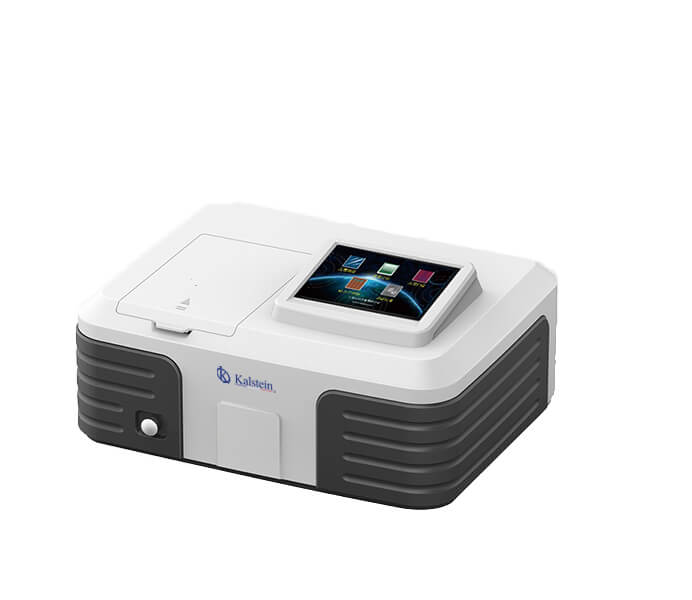
Maximizing ROI and Cost-Benefit Analysis for Double Beam Spectrophotometers in Laboratories
As laboratories strive to improve efficiency and reduce operational costs, understanding the return on investment (ROI) and performing a thorough cost-benefit analysis becomes crucial, especially for equipment like double beam spectrophotometers. This article aims to provide laboratory professionals with the insights needed to calculate ROI effectively and optimize costs associated with the double beam spectrophotometer family.
Understanding Double Beam Spectrophotometers
Double beam spectrophotometers are essential tools in analytical laboratories, offering high precision and stability in spectroscopic analysis. They split light into two beams—one passing through the sample and the other serving as a reference. This design minimizes errors due to fluctuations in light intensity, which enhances accuracy across various applications, including quantitative measurements and kinetic studies.
Key Factors Influencing ROI in Double Beam Spectrophotometers
To maximize ROI, laboratories must consider several key factors, including initial purchase price, operational costs, and the lifespan of the equipment. Utilizing models such as the YR01858 and YR01862 can provide significant advantages in terms of performance and cost management. Analyzing the cost per test and overall throughput can also help in understanding the financial returns on these investments.
Cost-Benefit Analysis: A Framework
A structured cost-benefit analysis will help laboratories evaluate the financial implications of investing in double beam spectrophotometers. This includes assessing direct costs such as acquisition, maintenance, and operational expenses against the benefits derived from enhanced analysis capabilities, increased accuracy, and reduced reagent waste.
Comparative Analysis of Models
When considering double beam spectrophotometers, comparing specific models is essential to identify the best fit for your laboratory. We will compare various models based on specifications, costs, and recommended use cases.
Comparison of Available Models
| Model | CAPEX (USD) | Cost per Test (USD) | Payback Period (Months) | Recommended Scenario |
|---|---|---|---|---|
| YR01858 | 2500.00 | 0.50 | 12 | General laboratory analysis |
| YR01862 | 3150.00 | 0.45 | 10 | Research applications |
| YR01862-1 | 3550.00 | 0.40 | 11 | High-throughput labs |
| YR01862-2 | 3380.00 | 0.42 | 10 | Quality control settings |
| YR01864 | 3080.00 | 0.48 | 13 | Small to medium labs |
| YR01865 | 3440.00 | 0.44 | 10 | Advanced research environments |
Common Mistakes and How to Avoid Them
Several common pitfalls can affect the ROI of double beam spectrophotometers. One major mistake is neglecting the total cost of ownership, which includes ongoing maintenance and consumables. Another is failing to assess the specific needs of the laboratory, leading to over or under-investment in equipment. By conducting a detailed analysis of both upfront and operational costs, labs can make more informed purchasing decisions.
Frequently Asked Questions
How can I calculate ROI for double beam spectrophotometers in my lab?
To calculate ROI for double beam spectrophotometers, such as the YR01862, assess the total investment compared to the net profit generated from its use over time. Factor in acquisition costs, maintenance, and operational efficiency to derive a comprehensive analysis, aiming for a payback period of 10-12 months.
What are the key specifications to consider for double beam spectrophotometers?
Key specifications include wavelength range, photometric accuracy, and cost per test. For example, the YR01858 offers a wavelength range of 320-1100 nm with an accuracy of ±0.3% T, making it suitable for a variety of laboratory applications.
Which double beam spectrophotometer is best for high-throughput environments?
The YR01862-1 model is particularly suited for high-throughput environments with its efficient performance and low cost per test. This model can handle multiple samples simultaneously, optimizing laboratory productivity.
How much can I save on reagents with a double beam spectrophotometer?
Using a double beam spectrophotometer like the YR01862 can significantly reduce reagent waste, with a cost-saving potential of up to 20% per analysis due to its efficient light path design, minimizing stray light interference.
What factors influence the cost per test for double beam spectrophotometers?
Cost per test is influenced by the initial investment, operational efficiencies, and consumable costs. Models like YR01864 help in reducing costs due to their advanced software features that streamline processes and save time.
Which double beam spectrophotometer is recommended for quality control settings?
The YR01862-2 is highly recommended for quality control due to its precise measurements and advanced features, ensuring reliable results essential for regulatory compliance.
How does the payback period of double beam spectrophotometers affect purchasing decisions?
The payback period, which varies by model, helps in determining the financial feasibility of acquiring double beam spectrophotometers. Typically, a payback of less than 12 months, as seen with the YR01862, makes a compelling case for purchase.
What are the maintenance costs for double beam spectrophotometers?
Maintenance costs can vary based on usage and model but typically range from 5-10% of the initial purchase price annually. Models like YR01864 are designed for easier maintenance, potentially lowering these costs over time.
If you are looking for a fusion of innovation and quality, you have come to the right place. At Kalstein, we offer you the luxury of exploring our exclusive catalog of laboratory equipment. We manufacture every device to the highest standards of excellence. Our intuitive and seamless online purchasing channels are designed for your convenience, securing the most competitive prices. Hesitate no longer — we bring science to life, it is time to become part of our community.