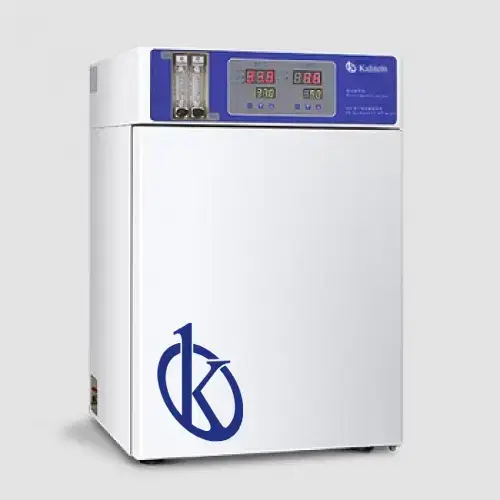
Maximizing ROI and Cost-Benefit Analysis for CO₂ Incubators in Laboratories
In laboratory environments, the utilization of CO₂ incubators is critical for successful cell culture, microbiological research, and various scientific applications. As laboratories strive to enhance productivity while managing operational costs, understanding ROI and conducting a thorough cost-benefit analysis becomes paramount. This article explores the key aspects of ROI and cost-benefit analysis pertinent to CO₂ incubators, focusing on their operational efficiencies, initial investments, and overall value to laboratory settings.
Understanding ROI in the Context of CO₂ Incubators
Return on Investment (ROI) is a performance measure used to evaluate the efficiency of an investment. For laboratories, assessing the ROI of CO₂ incubators involves a comparison of the initial capital expenditures (CAPEX) against the savings generated over time through increased efficiency and reduced operational costs (OPEX). Key factors include the improved growth rates of cultures, lower contamination risks, and energy savings.
Calculating the Initial Investment
The initial investment for a CO₂ incubator can vary significantly based on the model and specifications. For instance, the CO₂ Incubator YR02048 is priced at $1300, while the more advanced CO₂ Incubator YR02049 costs $1900. This initial outlay should be weighed against the expected lifespan and performance of the equipment to gauge long-term financial impact.
Assessing Operational Savings
Operational savings can be derived from factors such as reduced reagent waste, lower maintenance costs, and enhanced throughput. For example, the CO₂ Incubator YR02049-1 offers advanced features such as an infrared CO₂ sensor that improves accuracy and reduces the risk of sample loss, leading to significant savings over time.
Cost-Benefit Analysis Framework for CO₂ Incubators
Conducting a cost-benefit analysis involves evaluating both tangible and intangible benefits against the costs incurred. This framework helps laboratory managers make informed decisions regarding which CO₂ incubator models to invest in, based on their specific needs and operational contexts.
Key Components of Cost-Benefit Analysis
- Initial Costs: This includes purchase price, installation, and any necessary modifications to laboratory infrastructure.
- Operational Costs: Regular maintenance, energy consumption, and consumables required for optimal operation.
- Benefits: Increased sample throughput, reduced contamination, improved reproducibility, and better overall laboratory productivity.
Example of a Cost-Benefit Calculation
Using the CO₂ Incubator YR02048 as a case study, let's outline a hypothetical cost-benefit scenario:
| Item | Cost (USD) |
|---|---|
| Initial Investment | 1300 |
| Annual Maintenance | 100 |
| Annual Energy Cost | 200 |
| Expected Annual Savings from Efficiency | 800 |
| Net Annual Benefit | 500 |
Comparison of Available Models
| Model | CAPEX (USD) | Cost per Test | Payback (months) | Recommended Scenario |
|---|---|---|---|---|
| YR02048 | 1300 | Based on usage | 3.2 | Basic cell culture |
| YR02049 | 1900 | Based on usage | 4.6 | Advanced cellular research |
| YR02049-1 | 3200 | Based on usage | 6.4 | High-throughput applications |
Common Mistakes and How to Avoid Them
Laboratory managers often encounter common pitfalls when investing in CO₂ incubators. One key mistake is underestimating the total cost of ownership, which includes maintenance and operational costs along with the initial purchase price. Another frequent error is selecting a model based purely on price rather than suitability for specific applications. Detailed analysis and thorough research into each model's specifications can prevent these missteps.
Overlooking Features
Many buyers overlook crucial features such as temperature uniformity, CO₂ control accuracy, and recovery times, which can significantly impact laboratory outcomes. For example, the YR02049-1 model features advanced heating technology, ensuring temperature stability and minimizing variability, which is essential for sensitive experiments.
Frequently Asked Questions
What is the average cost of a CO₂ incubator for cell culture?
The average cost of a CO₂ incubator like the YR02048 starts around $1300, depending on features and specifications needed for cell culture applications.
How can I determine the ROI of a CO₂ incubator in my lab?
To determine ROI for a CO₂ incubator, assess initial costs against expected operational savings and improved efficiency over time, using models like the YR02049 for accurate projections.
What features should I look for in a CO₂ incubator to optimize performance?
Key features to optimize performance include precise temperature control, advanced CO₂ monitoring, and low contamination risk, such as those offered by the YR02049-1.
How do I calculate payback period for a CO₂ incubator?
To calculate the payback period for a CO₂ incubator, divide the initial investment by the net annual savings. For instance, the YR02048 model has a payback of about 3.2 months based on average savings.
Which CO₂ incubator is best for high-throughput applications?
The YR02049-1 is ideal for high-throughput applications, as it features advanced technology that enhances performance and reliability.
What operational costs should I consider for a CO₂ incubator?
Operational costs for a CO₂ incubator include energy consumption, maintenance, and consumables. Models like the YR02049 are designed to minimize these costs through energy-efficient designs.
How do I ensure my CO₂ incubator maintains precise conditions?
To ensure precise conditions in a CO₂ incubator, choose a model with advanced control systems, like the YR02049-1, which features a professional-grade infrared CO₂ sensor for accurate monitoring.
What are the benefits of investing in a high-quality CO₂ incubator?
Investing in a high-quality CO₂ incubator like the YR02049 can lead to improved cell growth, lower contamination rates, and ultimately higher productivity and efficiency in laboratory work.
If you are looking for a fusion of innovation and quality, you have come to the right place. At Kalstein, we offer you the luxury of exploring our exclusive catalog of laboratory equipment. We manufacture every device to the highest standards of excellence. Our intuitive and seamless online purchasing channels are designed for your convenience, securing the most competitive prices. Hesitate no longer — we bring science to life, it is time to become part of our community.