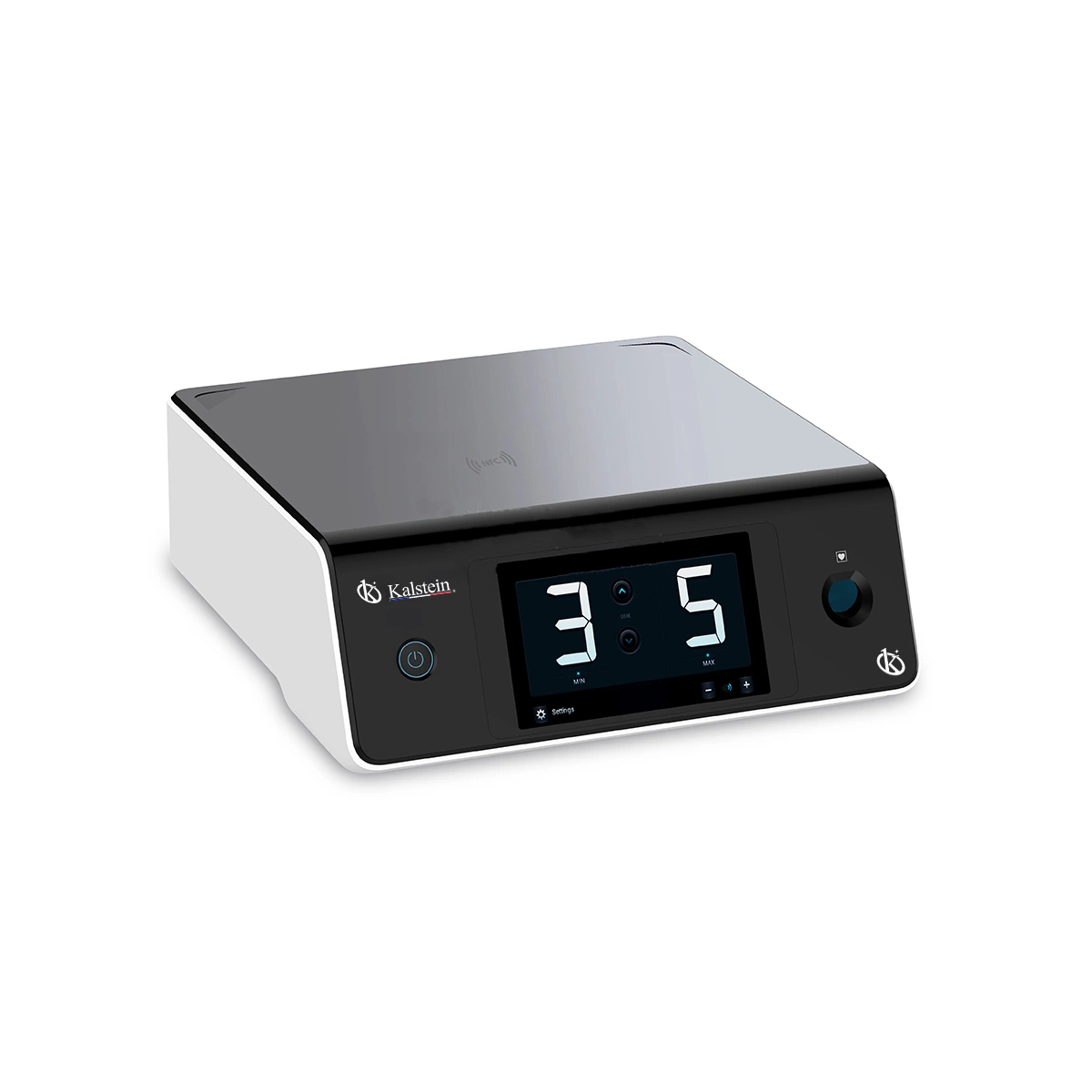
Understanding ROI and Cost-Benefit Analysis for Veterinary Electrosurgical Units
In the realm of veterinary surgery, the financial implications of adopting advanced technologies such as Veterinary Electrosurgical Units (VEUs) are significant. This article delves into the return on investment (ROI) and cost-benefit analysis for various models of VEUs, providing insights crucial for veterinary practices aiming to optimize their operational efficiency and financial health.
Framing the Importance of ROI in Veterinary Electrosurgical Units
Veterinary Electrosurgical Units are essential tools in modern veterinary practice, enabling precise cutting and coagulation during surgeries. However, the decision to invest in these units should be grounded in a thorough understanding of their cost-effectiveness and ROI. By evaluating the upfront costs, operational expenses, and the financial benefits gained from improved surgical outcomes, veterinarians can make informed decisions that align with both clinical and financial goals.
Comparison of Available Models
| Model | CAPEX (USD) | Cost per Procedure (USD) | Projected Payback (Months) | Recommended Scenario |
|---|---|---|---|---|
| YR06129 | $2500.00 | $100.00 | 24 | Small Animal Surgeries |
| YR06130 | $2700.00 | $110.00 | 22 | General Surgeries |
| YR06131 | $3000.00 | $120.00 | 20 | Laparoscopic Procedures |
| YR06132 | $1600.00 | $90.00 | 18 | Open Surgeries |
| YR06133 | $5600.00 | $150.00 | 30 | Laser-Assisted Surgeries |
| YR06134 | $5600.00 | $150.00 | 30 | Laser-Assisted Surgeries |
Key Performance Indicators for Evaluating ROI
To effectively assess the ROI of Veterinary Electrosurgical Units, several key performance indicators (KPIs) can be employed. These include capital expenditure (CAPEX), operational expenditure (OPEX), cost per procedure, and the projected payback period. By analyzing these metrics, veterinary practices can calculate their potential savings and improvements in patient outcomes.
Capital vs. Operational Expenditure in Veterinary Electrosurgery
CAPEX refers to the initial investments in Veterinary Electrosurgical Units, while OPEX encompasses the ongoing costs associated with their operation. Understanding the balance between these two types of expenditures is crucial for a comprehensive cost-benefit analysis. For example, the YR06132 model at $1600.00 offers lower CAPEX, making it an attractive option for practices with budget constraints.
Projected Payback Period for Veterinary Electrosurgical Units
The payback period is a critical metric that determines how long it will take for an investment to pay for itself through savings and increased revenue. For instance, the YR06130 model, with a projected payback period of 22 months, highlights its potential for generating returns more quickly than other models, making it favorable for practices focused on financial efficiency.
Mitigating Costs Through Efficient Use of Electrosurgical Units
Proper training and usage of Veterinary Electrosurgical Units can mitigate costs significantly. Ensuring that surgical teams are well-trained in utilizing these units can lead to more efficient procedures, reduced operating times, and ultimately lower costs per procedure. Additionally, understanding the specific functionalities of each model—like the YR06131's superior sealing capabilities—can lead to more effective surgeries and financial savings.
Common Mistakes and How to Avoid Them
Several common pitfalls can hinder the effective ROI of Veterinary Electrosurgical Units. One key mistake is underestimating the importance of training staff. Without proper training, the potential benefits of the unit can be drastically reduced. Investing in comprehensive training programs ensures that all staff members are proficient in the use of the equipment, which maximizes its effectiveness and ROI.
Neglecting to Track Expenses Related to Electrosurgical Units
Another mistake is failing to track the ongoing operational costs related to the use of electrosurgical units. Regularly assessing these costs can identify trends that might require attention, such as rising consumable costs associated with models like YR06133 and YR06134, which are laser-assisted and may have higher associated costs.
Frequently Asked Questions
What factors influence the ROI of Veterinary Electrosurgical Units in practices?
The ROI of Veterinary Electrosurgical Units is influenced by initial costs, operational efficiencies, and the impact on surgical outcomes. Models like YR06130, which provide multifunctionality, may demonstrate quicker ROI through reduced procedure times and enhanced safety.
How can I calculate the cost per procedure for an electrosurgical unit?
To calculate the cost per procedure, divide the total operational costs by the number of procedures performed. For example, with the YR06132 model priced at $1600.00 and estimated operational costs of $90 per procedure, practices can easily determine their expenditures.
Which Veterinary Electrosurgical Unit offers the best value for small practices?
The YR06132 model, priced at $1600.00, is often recommended for small practices due to its low upfront cost and efficiency in open surgical procedures, making it an economical choice for veterinarians.
Can the use of Veterinary Electrosurgical Units reduce overall surgical time?
Yes, utilizing models such as YR06130 can significantly reduce surgical times due to their multifunctionality and precise cutting capabilities, leading to improved efficiency and patient turnover.
How do maintenance costs affect the ROI of electrosurgical units?
Maintenance costs can directly impact ROI by increasing operational expenses. Regular maintenance schedules for models like YR06131 can help mitigate unexpected costs and ensure longevity, ultimately supporting better ROI.
Where can I find training resources for Veterinary Electrosurgical Unit operation?
Training resources are often available through manufacturers or veterinary associations. Investing in training for models like YR06133 will help maximize their potential and improve ROI through effective use.
What typical lifespan can I expect from a Veterinary Electrosurgical Unit?
The lifespan of a Veterinary Electrosurgical Unit typically ranges from 5 to 10 years, depending on usage and model. Investing in durable models such as YR06134 may yield a longer useful life, enhancing overall ROI.
How do I determine which model suits my surgical practice best?
Evaluating your specific surgical needs and budget is key. For example, if you perform a high volume of laparoscopic procedures, the YR06131 model might be ideal due to its advanced sealing technology.
If you are looking for a fusion of innovation and quality, you have come to the right place. At Kalstein, we offer you the luxury of exploring our exclusive catalog of laboratory equipment. We manufacture every device to the highest standards of excellence. Our intuitive and seamless online purchasing channels are designed for your convenience, securing the most competitive prices. Hesitate no longer — we bring science to life, it is time to become part of our community.