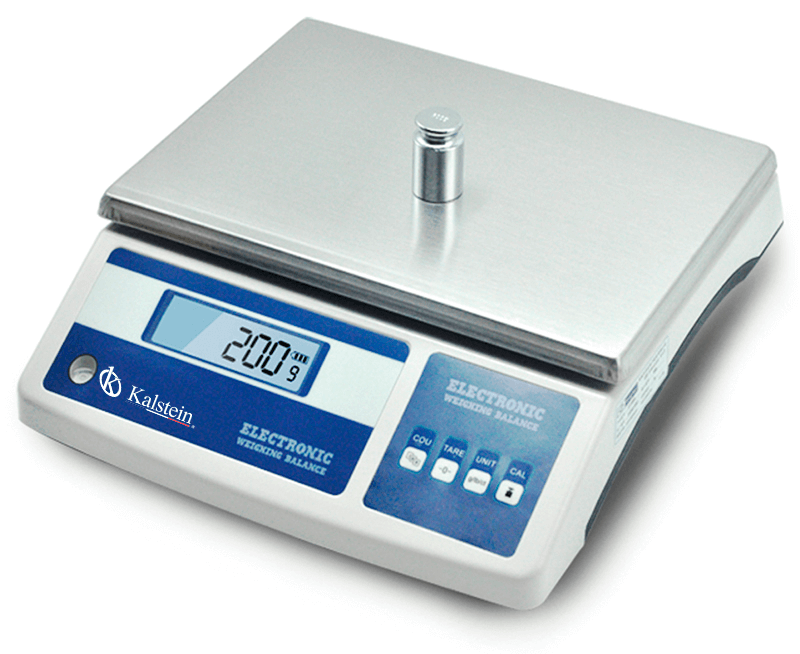
How to Assess ROI and Cost-Benefit Analysis for Industrial Balances
In today's competitive laboratory landscape, understanding the return on investment (ROI) and conducting thorough cost-benefit analyses are essential for making informed purchase decisions regarding industrial balances. These balances are crucial in various applications, including quality control, research, and production processes. With numerous models available, discerning the right balance for your laboratory's needs involves a detailed evaluation of financial metrics and operational efficiency.
Understanding ROI in the Context of Industrial Balances
ROI is a critical metric that quantifies the benefits gained from an investment in relation to its cost. For industrial balances, ROI can be assessed in terms of accuracy, efficiency, and the overall impact on laboratory workflows. When considering models like the Industrial Balance YR05606 or YR05609, laboratory professionals must analyze how each model affects operational output and resource allocation.
Cost-Benefit Analysis Methodology
Conducting a cost-benefit analysis for industrial balances involves several key steps: identifying all costs associated with the balance, estimating potential benefits, and comparing these figures to assess feasibility. Costs include initial purchase price, maintenance, calibration, and training. Benefits encompass increased accuracy, reduced waste, and enhanced throughput. This method helps laboratories make informed decisions based on comprehensive data.
Key Financial Metrics for Industrial Balances
When evaluating industrial balances, several financial metrics come into play. These include:
- Initial Investment (CAPEX): The upfront cost of purchasing the balance.
- Operational Expenses (OPEX): Ongoing costs such as maintenance and supplies.
- Payback Period: The time it takes for the investment to pay for itself through savings or increased revenue.
- Cost per Test: A metric to compare different balances based on their testing capabilities.
Detailed Cost-Benefit Table for Industrial Balance Models
| Model | Initial Investment (USD) | Cost per Test (USD) | Payback Period (Months) | Recommended Scenario |
|---|---|---|---|---|
| YR05606 | 60.00 | 2.00 | 12 | Small laboratories |
| YR05607 | 60.00 | 2.00 | 12 | Small to medium laboratories |
| YR05608 | 65.00 | 2.50 | 12 | Medium laboratories |
| YR05609 | 65.00 | 2.50 | 10 | Medium to large laboratories |
| YR05610 | 55.00 | 1.80 | 9 | Small laboratories |
| YR05611 | 65.00 | 2.50 | 11 | Medium laboratories |
Evaluating Operational Efficiency
The operational efficiency of industrial balances can be evaluated through metrics such as throughput and accuracy. Higher precision balances often reduce the number of repeat tests required, thereby increasing throughput. Models like YR05608, with a capacity of 21 kg and a readability of 1 g, can significantly enhance operational workflows in medium-sized laboratories.
Common Mistakes and How to Avoid Them
One of the most common mistakes when purchasing industrial balances is focusing solely on the initial cost. Laboratory professionals should consider long-term operational costs and potential savings. Additionally, neglecting to evaluate the specific needs of the laboratory can lead to suboptimal choices. To avoid these pitfalls, conducting a thorough cost-benefit analysis is crucial.
Frequently Asked Questions
What are the main features to consider when selecting an industrial balance?
When selecting an industrial balance, key features to consider include capacity, readability, and stability time. For example, the Industrial Balance YR05609 has a capacity of 31 kg and a readability of 1 g, making it suitable for various laboratory applications.
How does the cost per test influence my choice of industrial balance?
The cost per test is a vital factor as it directly affects the overall operational expenses of your laboratory. For instance, the YR05610 has a lower cost per test of $1.80, making it more economical for labs with high throughput requirements.
How can I calculate the payback period for an industrial balance?
To calculate the payback period, divide the initial investment by the expected annual savings generated by the balance. For example, if the YR05607 costs $60 and saves $5 per month, the payback period would be 12 months.
Which industrial balance model offers the best ROI for large laboratories?
The YR05609, with a maximum capacity of 31 kg and a payback period of 10 months, is an excellent choice for large laboratories looking to optimize ROI due to its balance of cost and operational efficiency.
What operational scenarios benefit from using high-precision industrial balances?
High-precision industrial balances, like the YR05608, are beneficial in scenarios that require accurate measurements, such as pharmaceutical quality control and research applications, where precision is paramount.
How can I ensure compliance with industry standards using industrial balances?
To ensure compliance, choose models that meet relevant standards and guidelines, and maintain thorough calibration and maintenance schedules. For example, YR05606 supports various accuracy standards through its design.
What are the advantages of investing in a high-capacity industrial balance?
High-capacity industrial balances, such as the YR05609, allow laboratories to handle larger samples without compromising accuracy, which is crucial for efficiency in bulk testing environments.
How do maintenance costs affect the total cost of ownership of industrial balances?
Maintenance costs can significantly impact the total cost of ownership. Regular servicing can prevent unexpected failures and prolong lifespan, thereby ensuring models like YR05611 remain cost-effective over time.
If you are looking for a fusion of innovation and quality, you have come to the right place. At Kalstein, we offer you the luxury of exploring our exclusive catalog of laboratory equipment. We manufacture every device to the highest standards of excellence. Our intuitive and seamless online purchasing channels are designed for your convenience, securing the most competitive prices. Hesitate no longer — we bring science to life, it is time to become part of our community.