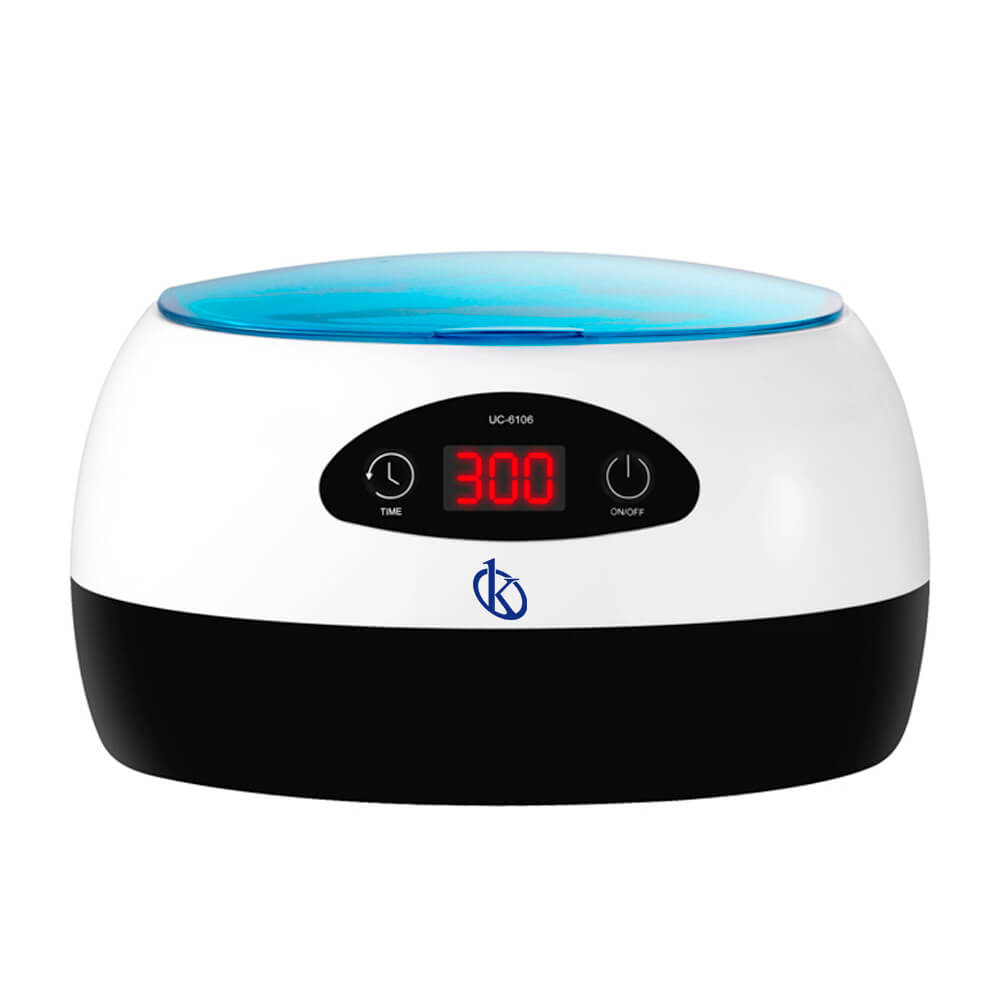
Evaluating ROI and Cost-Benefit Analysis for Digital Desktop Ultrasonic Cleaners in Laboratories
Digital Desktop Ultrasonic Cleaners are essential tools in modern laboratories, facilitating efficient cleaning processes that enhance operational effectiveness. Understanding the return on investment (ROI) and conducting a comprehensive cost-benefit analysis are crucial for laboratory professionals aiming to maximize their equipment's value. This article delves into how these ultrasonic cleaners can optimize costs while improving cleaning efficiency, ultimately supporting better laboratory operations.
Understanding the Importance of ROI in Laboratory Equipment
ROI is a critical measurement that helps laboratory managers assess the financial performance of their investments. In the context of Digital Desktop Ultrasonic Cleaners, calculating ROI involves analyzing the costs associated with purchasing, operating, and maintaining these devices against the benefits they provide. Key considerations include the cost savings from reduced labor, minimized use of cleaning chemicals, and enhanced equipment longevity.
Digital Desktop Ultrasonic Cleaners Overview
These cleaners utilize ultrasonic waves to produce cavitation bubbles that effectively dislodge dirt and contaminants from surfaces. Their applications range from cleaning jewelry and dental tools to laboratory glassware and delicate instruments. The right model can significantly impact both cleaning effectiveness and cost efficiency in laboratory settings.
Comparison of Available Models
| Model | Tank Capacity (L) | Power (W) | Frequency (KHz) | Price (USD) |
|---|---|---|---|---|
| YR05231 | 0.75 | 50 | 42 | 16.20 |
| YR05232 | 1.4 | 60 | 40 | 32.40 |
| YR05229 | 0.6 | 50 | 42 | 15.60 |
| YR05230 | 2.5 | 60 | 42 | 41.20 |
Cost-Benefit Analysis of Ultrasonic Cleaners
When evaluating Digital Desktop Ultrasonic Cleaners, it's important to analyze both direct and indirect costs. Direct costs include the initial purchase price, while indirect costs encompass maintenance, energy consumption, and cleaning agents. Cost savings can stem from decreased manual cleaning labor and improved cleaning efficacy, which can lead to enhanced productivity and reduced downtime.
Direct Costs
The direct costs associated with ultrasonic cleaners include their purchase price, which can vary depending on the model and features. For instance, the YR05231 is priced at $16.20, making it one of the most cost-effective options, while the YR05230, tailored for clinical applications, costs $41.20 but offers a larger tank capacity.
Indirect Costs
Indirect costs may consist of energy consumption and maintenance. For instance, ultrasonic cleaners typically consume between 50-60 watts, with a frequency of 40-42 KHz. Understanding these costs helps labs find the right balance between performance and expenditure.
Maximizing Efficiency with the Right Model
Selecting the appropriate model for specific laboratory tasks can significantly enhance cleaning efficiency and, in turn, the ROI. For example, the YR05230, with its 2.5L capacity, is ideal for dental or jewelry cleaning due to its robust design and efficiency, whereas the compact YR05229 can be suitable for smaller items or less frequent cleaning tasks.
Common Mistakes and How to Avoid Them
Common pitfalls when investing in ultrasonic cleaners include underestimating cleaning requirements and neglecting energy consumption. Laboratory professionals should thoroughly assess their unique cleaning needs and calculate potential operational costs before making a purchase. Furthermore, understanding the specific capabilities of each cleaner can avoid mismatches between tasks and equipment.
Frequently Asked Questions
What are the benefits of using Digital Desktop Ultrasonic Cleaners for laboratory equipment?
Digital Desktop Ultrasonic Cleaners, such as the YR05232, provide efficient cleaning by utilizing advanced ultrasonic technology that removes dirt without damaging delicate surfaces. This enhances the longevity of laboratory equipment, making them a valuable investment for any lab.
How does ROI for ultrasonic cleaners compare to traditional cleaning methods?
ROI for ultrasonic cleaners is typically higher than traditional methods due to reduced labor costs and improved cleaning effectiveness. For instance, the YR05230 can clean larger batches more efficiently, decreasing the time spent on cleaning tasks.
Which ultrasonic cleaner model is best for jewelry cleaning?
The YR05232 is highly recommended for cleaning jewelry due to its 1.4L tank capacity and adjustable settings. It effectively removes dirt while being gentle on delicate items, making it ideal for maintaining jewelry.
What is the average maintenance cost for Digital Desktop Ultrasonic Cleaners?
Maintenance costs for ultrasonic cleaners like the YR05229 are generally low, as they require minimal upkeep. Regular inspections and occasional replacement of parts can keep the unit running efficiently, ensuring longevity and performance.
How does tank capacity affect the ROI of ultrasonic cleaners?
Larger tank capacities, such as the 2.5L of the YR05230, generally allow for more items to be cleaned simultaneously, maximizing productivity and reducing cleaning cycles. This can significantly enhance the ROI by decreasing labor time and increasing throughput.
What factors should be considered when selecting an ultrasonic cleaner for a lab?
When selecting an ultrasonic cleaner, consider factors such as tank capacity, power, frequency, and intended use. The YR05231, for example, is perfect for smaller tasks, while the YR05230 is more suited for larger laboratory needs.
How can ultrasonic cleaners contribute to sustainability in laboratories?
Ultrasonic cleaners help reduce the use of harsh chemical cleaners and conserve water, contributing to sustainable laboratory practices. Models like the YR05232 minimize chemical waste while providing effective cleaning solutions.
What safety protocols should be followed when using ultrasonic cleaners?
When using ultrasonic cleaners, it's crucial to follow safety protocols such as wearing appropriate personal protective equipment (PPE) and ensuring proper ventilation. Understanding the specifications of models like the YR05230 can help set safety standards in the lab environment.
If you are looking for a fusion of innovation and quality, you have come to the right place. At Kalstein, we offer you the luxury of exploring our exclusive catalog of laboratory equipment. We manufacture every device to the highest standards of excellence. Our intuitive and seamless online purchasing channels are designed for your convenience, securing the most competitive prices. Hesitate no longer — we bring science to life, it is time to become part of our community.