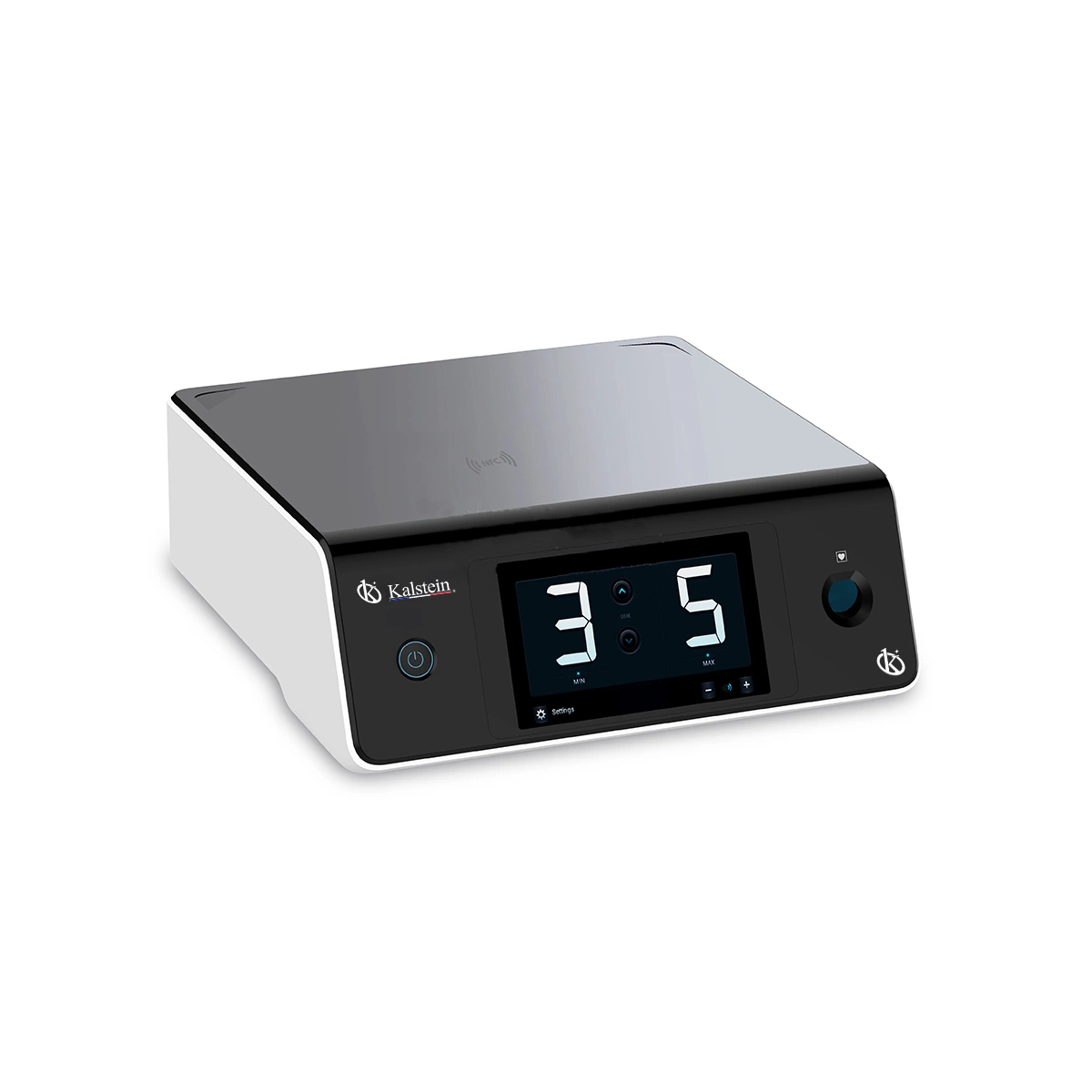
How to Implement Predictive Maintenance and Regular Calibration for Veterinary Electrosurgical Units
In the realm of veterinary surgical equipment, particularly electrosurgical units, implementing predictive maintenance and regular calibration is crucial for optimizing performance and ensuring patient safety. This article delves into the significance of these practices and compares various models available in the market, providing insights into their features, benefits, and specific use cases in veterinary medicine.
Understanding Predictive Maintenance and Calibration in Electrosurgical Units
Predictive maintenance refers to the practice of monitoring equipment conditions to predict when maintenance should be performed. This approach minimizes downtime and enhances the reliability of veterinary electrosurgical units (ESUs). Regular calibration, on the other hand, ensures that the devices operate within specified parameters, maintaining precision in surgical procedures.
Both practices are essential for ensuring compliance with ISO standards and enhancing operational efficiency. They contribute to avoiding unexpected failures, reducing costs associated with repairs, and improving patient outcomes.
Key Benefits of Predictive Maintenance and Calibration
The benefits of implementing predictive maintenance and regular calibration in veterinary electrosurgical units are manifold:
- Enhanced Device Longevity: Regular maintenance extends the lifespan of electrosurgical units, ensuring they remain functional and reliable.
- Increased Accuracy: Calibration ensures that the outputs remain consistent, which is critical for successful surgical interventions.
- Cost Efficiency: Predictive maintenance can reduce overall operational costs by preventing major breakdowns and ensuring that equipment operates at optimal efficiency.
- Regulatory Compliance: Adhering to maintenance and calibration schedules helps meet industry regulations and standards, such as ISO 17025.
Comparison of Available Models
| Model | Specifications | Best for |
|---|---|---|
| YR06129 | Output modes: MAX and MIN, 380 mA output current, 690 VA input power | Precision cutting and sealing of vessels up to 5 mm |
| YR06130 | Multi-functional with 7 working modes, 35 watts maximum output | General surgeries including gastrointestinal and urological procedures |
| YR06131 | 300 watts maximum output, automatic identification features | Laparoscopic and open procedures with vessels up to 15 mm |
| YR06132 | Output modes include pure cut and coagulation options | Deep coagulation surgeries |
| YR06133 | Dual wavelength laser system with 15W power | Portable surgeries with precise cutting |
| YR06134 | Similar to YR06133 with additional wavelength options | Versatile surgical applications |
Importance of Regular Calibration in Electrosurgical Units
Calibrating veterinary electrosurgical units is essential to maintain their effectiveness and ensure safe operation. Regular calibration helps detect any drift in the output parameters, ensuring that they meet the required standards. Calibration should be conducted according to a predetermined schedule, typically every six months, or according to use frequency and manufacturer recommendations.
Moreover, calibration helps to adhere to ISO 17025 standards, which emphasize the importance of metrology in laboratory practices. Compliance with such standards not only demonstrates commitment to quality but also enhances the credibility of veterinary practitioners.
Challenges in Predictive Maintenance and Calibration
While predictive maintenance and calibration are vital, there are challenges that veterinary practices face:
- Resource Allocation: Adequate resources, including time and trained personnel, are necessary for effective maintenance.
- Cost Implications: Initial costs for implementing predictive maintenance systems may be high, though they provide savings in the long run.
- Data Management: Developing a system for monitoring equipment performance and scheduling maintenance can be complex.
Common Mistakes and How to Avoid Them
Veterinary practices often make several common mistakes related to maintenance and calibration:
- Neglecting Documentation: Always keep detailed records of all maintenance and calibration activities. This is crucial for compliance.
- Ignoring Manufacturer Recommendations: Follow the specific calibration and maintenance schedules provided by manufacturers to ensure optimal performance.
- Failing to Train Staff: Proper training for staff on equipment use and maintenance protocols is essential.
Best Practices for Implementing Maintenance and Calibration
To effectively implement predictive maintenance and calibration, consider the following best practices:
- Establish a regular maintenance schedule based on usage and manufacturer guidelines.
- Utilize condition-monitoring technologies to track the performance of electrosurgical units in real-time.
- Incorporate staff training sessions to ensure everyone understands the importance of maintenance and calibration.
- Document all maintenance activities and keep updated records for compliance purposes.
Frequently Asked Questions
What are the best practices for maintaining veterinary electrosurgical units?
Implementing best practices for maintaining veterinary electrosurgical units includes establishing a regular maintenance schedule based on the manufacturer's instructions and training staff on equipment use. The YR06129, for instance, requires calibration every six months to ensure optimal performance.
How does calibration affect the performance of electrosurgical units?
Calibration directly impacts the performance of electrosurgical units by ensuring they operate within specified parameters. Regular calibration of units like the YR06131 helps maintain consistent energy output, crucial for effective surgical procedures.
What is the recommended calibration schedule for veterinary electrosurgical units?
The recommended calibration schedule for veterinary electrosurgical units varies by model but generally follows a six-month interval. For example, the YR06130 should be calibrated bi-annually to ensure precision during surgical procedures.
Which standards should veterinary practices comply with for electrosurgical units?
Veterinary practices should comply with ISO 17025 and other relevant standards, which emphasize proper calibration and maintenance protocols. Following these standards helps ensure the quality of units like the YR06132 during surgeries.
What are the main benefits of predictive maintenance for veterinary surgical equipment?
The main benefits of predictive maintenance include reduced operational costs, enhanced equipment longevity, and improved surgical outcomes. Regular monitoring of devices like the YR06133 ensures timely maintenance actions, preventing unexpected breakdowns.
How can I effectively implement predictive maintenance in my veterinary practice?
To effectively implement predictive maintenance in your veterinary practice, start by establishing a monitoring system to track equipment usage and performance. Utilizing models like the YR06134 allows for effective condition monitoring and scheduling of maintenance tasks.
Why is documentation important in the maintenance of electrosurgical units?
Documentation is crucial in the maintenance of electrosurgical units as it provides a detailed record of all maintenance activities. This information is vital for compliance with industry standards, such as ISO 17025, and helps track the history of models like YR06130.
What should I consider when choosing a veterinary electrosurgical unit?
When choosing a veterinary electrosurgical unit, consider factors such as the unit's output capabilities, features, and ease of use. For example, the YR06131 offers high power output and automatic identification features, making it suitable for various surgical procedures.
If you are looking for a fusion of innovation and quality, you have come to the right place. At Kalstein, we offer you the luxury of exploring our exclusive catalog of laboratory equipment. We manufacture every device to the highest standards of excellence. Our intuitive and seamless online purchasing channels are designed for your convenience, securing the most competitive prices. Hesitate no longer — we bring science to life, it is time to become part of our community.