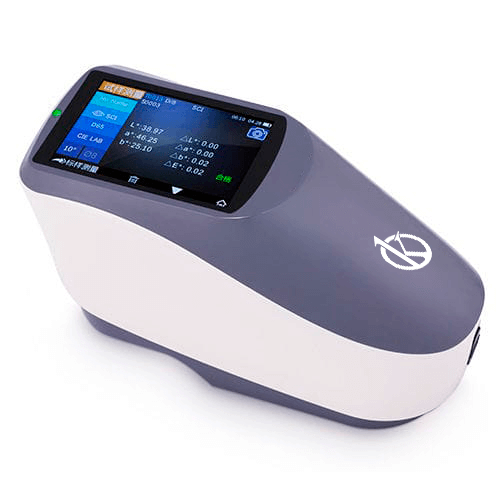
Optimizing Predictive Maintenance and Calibration of Portable Spectrophotometers
Portable spectrophotometers play a vital role in various laboratory settings, enabling precise color analysis and measurement across different industries. Proper maintenance and calibration are essential to ensure their accuracy and reliability. This article delves into the importance of predictive maintenance and periodic calibration specific to portable spectrophotometers, focusing on various models available in the market.
Understanding Predictive Maintenance and Calibration
Predictive maintenance refers to the strategies employed to predict potential equipment failures before they occur. For portable spectrophotometers, this involves monitoring their performance metrics and implementing regular calibration protocols. Calibration ensures that the device remains compliant with industry standards, thus preserving measurement accuracy.
The Importance of Predictive Maintenance
By employing predictive maintenance, laboratories can reduce downtime, enhance the longevity of their equipment, and maintain consistent measurement quality. Regularly checking performance indicators and conducting error analysis helps identify potential issues proactively, ensuring that the spectrophotometers are always in optimal working condition.
Calibration Protocols
Calibration should be performed according to established guidelines to comply with international standards like ISO 17025. This process involves comparing the instrument's output to a known standard and adjusting as necessary. Regular calibration intervals help maintain accuracy and reliability, which are critical in quality control processes.
Comparison of Available Models
| Model | Calibration Features | Best for | Price (USD) |
|---|---|---|---|
| YR05503 | 20 mm aperture, traffic signal color measurement | Traffic signal analysis | 1892.00 |
| YR05504 | 8 mm and 4 mm apertures | Laboratory color analysis | 2230.00 |
| YR05505 | Customizable aperture sizes | Textile and paint industries | 1740.00 |
| YR05500 | Bluetooth, UV, SCI/SCE | Broad applications | 2695.00 |
| YR05501 | Bluetooth, UV, SCI/SCE | Broad applications | 1970.00 |
| YR05502 | Bluetooth, UV, SCI/SCE | Broad applications | 1820.00 |
Common Mistakes and How to Avoid Them
One common mistake is neglecting to follow prescribed calibration intervals, which can lead to inaccurate measurements. Laboratories must establish a robust schedule that aligns with ISO 17025 requirements. Additionally, using improper calibration standards can compromise results; hence, it is crucial to utilize traceable and compliant standards during the calibration process.
Integrating Predictive Maintenance into Daily Operations
To effectively incorporate predictive maintenance, laboratories should gather data on equipment usage and performance. Using analytics tools, trends in instrument performance can be established, allowing for timely interventions. For instance, models like the YR05500 offer advanced features that enhance data collection for predictive maintenance.
Predictive Maintenance Metrics
Key performance indicators (KPIs) in predictive maintenance include Mean Time Between Failures (MTBF) and Mean Time To Repair (MTTR). Monitoring these metrics helps laboratories make informed decisions regarding equipment maintenance and replacement. For example, spectrophotometers like the YR05504 provide consistent performance tracking capabilities.
Developing an Effective Calibration Schedule
A well-structured calibration schedule ensures that spectrophotometers remain within the required specifications. Regular intervals based on usage frequency and manufacturer guidelines should be established. For instance, the YR05503 is designed for specific use cases, and understanding its requirements will aid in developing a tailored calibration schedule.
Calibration Frequency Guidelines
| Model | Recommended Calibration Frequency | Notes |
|---|---|---|
| YR05503 | Every 6 months | Traffic signal specifications compliance |
| YR05504 | Every 3 months | High precision applications |
| YR05505 | Every 4 months | General industry applications |
| YR05500 | Every 6 months | Broad usage with multiple features |
Frequently Asked Questions
How often should I calibrate a portable spectrophotometer for accurate results?
Calibration frequency for a portable spectrophotometer depends on its usage. For instance, the YR05504 should be calibrated every three months to ensure high precision in laboratory applications, adhering to ISO 17025 guidelines.
What are the benefits of predictive maintenance for laboratory equipment?
Predictive maintenance enhances equipment reliability and reduces downtime. For example, using the YR05505 allows laboratories to proactively address performance issues, ensuring consistent quality control in industries such as textiles and paints.
Which model is best for traffic signal color measurement?
The YR05503 is specifically designed with a 20 mm aperture for measuring traffic signal colors, making it the best choice for compliance with GB 2893 and GB/T 18833 standards.
What should be included in a calibration plan for a portable spectrophotometer?
A calibration plan should include frequency, steps for verification, and standards used. Models like YR05500 and YR05501 facilitate easy integration of Bluetooth for tracking calibration data and ensuring compliance with ISO standards.
How can I integrate predictive maintenance into my laboratory workflow?
To integrate predictive maintenance, use data analytics to monitor performance metrics of instruments like the YR05504, allowing for timely repairs and minimizing downtime, thus maintaining efficiency and accuracy.
What is the expected service life of a portable spectrophotometer?
The service life of portable spectrophotometers can vary; however, models like the YR05500 are designed for long-term use, especially when properly maintained and calibrated according to guidelines.
How does calibration impact the quality of laboratory measurements?
Calibration ensures that measurements are accurate and reliable, which is critical for compliance with standards. For example, the YR05503 must be calibrated regularly to maintain the quality of traffic signal measurements in line with industry regulations.
What calibration standards should be used for portable spectrophotometers?
Calibration standards must be traceable to national or international standards. For instruments like the YR05500, using standards compliant with ISO 17025 ensures the accuracy and reliability of measurements performed in various applications.
If you are looking for a fusion of innovation and quality, you have come to the right place. At Kalstein, we offer you the luxury of exploring our exclusive catalog of laboratory equipment. We manufacture every device to the highest standards of excellence. Our intuitive and seamless online purchasing channels are designed for your convenience, securing the most competitive prices. Hesitate no longer — we bring science to life, it is time to become part of our community.